We believe that every establishment has the potential to capitalize on the growing demand for low-alcohol beverages while significantly improving profit margins. The low-ABV movement represents one of the most profitable opportunities in today's hospitality landscape, offering establishments the ability to attract health-conscious consumers while maintaining exceptional beverage revenue.
Through years of experience working with restaurants and bars nationwide, we've observed that well-designed low-ABV programs not only attract new demographics but retain customers who seek sophisticated drinking experiences without the commitment to high alcohol content. Creating these programs requires strategic thinking, careful ingredient selection, and menu positioning that emphasizes quality over quantity.
Why Low-ABV Programs Drive Profitability
Low-alcohol beverage programs consistently deliver superior profit margins compared to traditional cocktail offerings. The reduced spirit content means lower pour costs, while premium ingredients like artisanal vermouths, craft bitters, and house-made syrups create perceived value that supports higher price points.
Every establishment has the opportunity to leverage this trend by developing focused, curated selections that showcase creativity while maintaining operational efficiency. Rather than overwhelming guests with extensive options, successful programs typically feature 8-12 carefully crafted offerings that demonstrate range and sophistication.
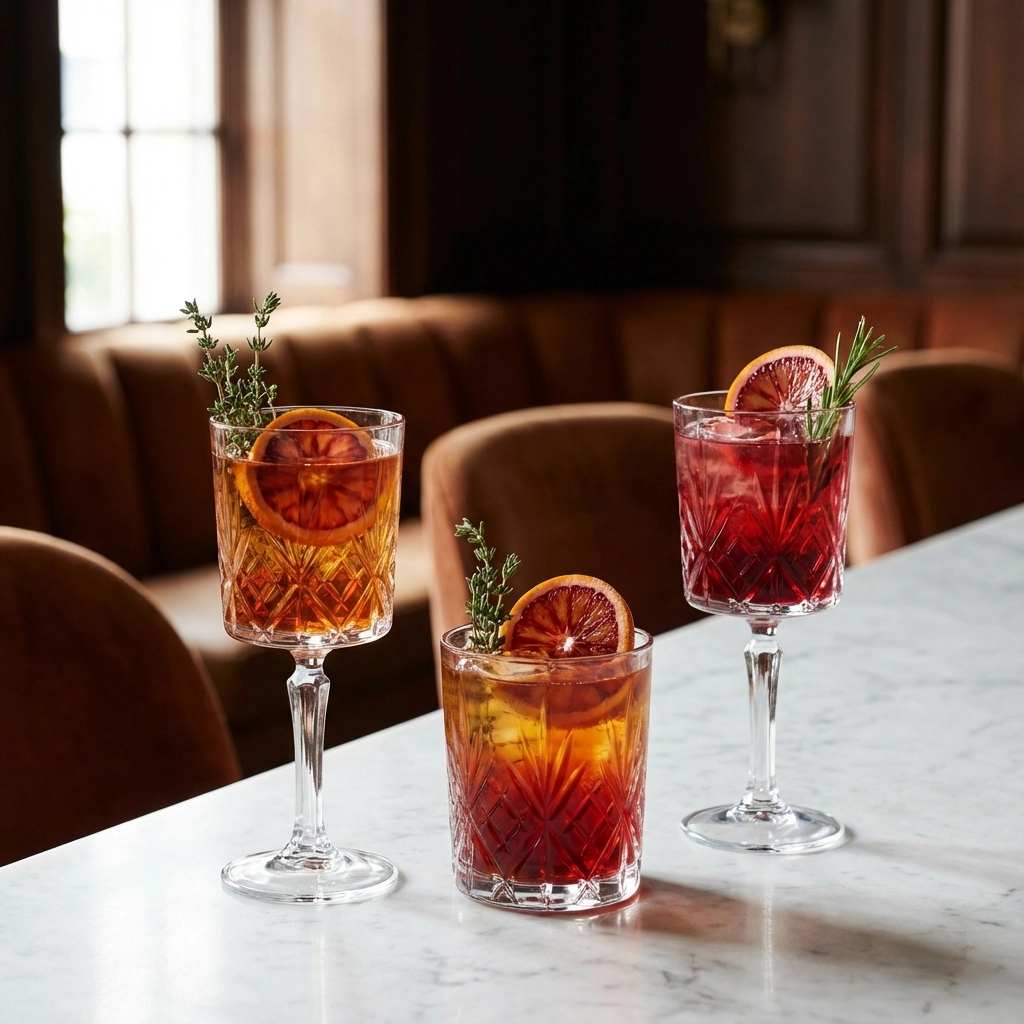
20 Profitable Low-ABV Drink Programs
Wine-Based Programs (Programs 1-5)
1. Aperitivo Hour Collection
Build a program around Italian aperitifs like Aperol, Campari, and Cocchi Americano. These spirits naturally sit at 11-24% ABV and create complex, bitter-sweet profiles when mixed with prosecco, citrus, and soda.
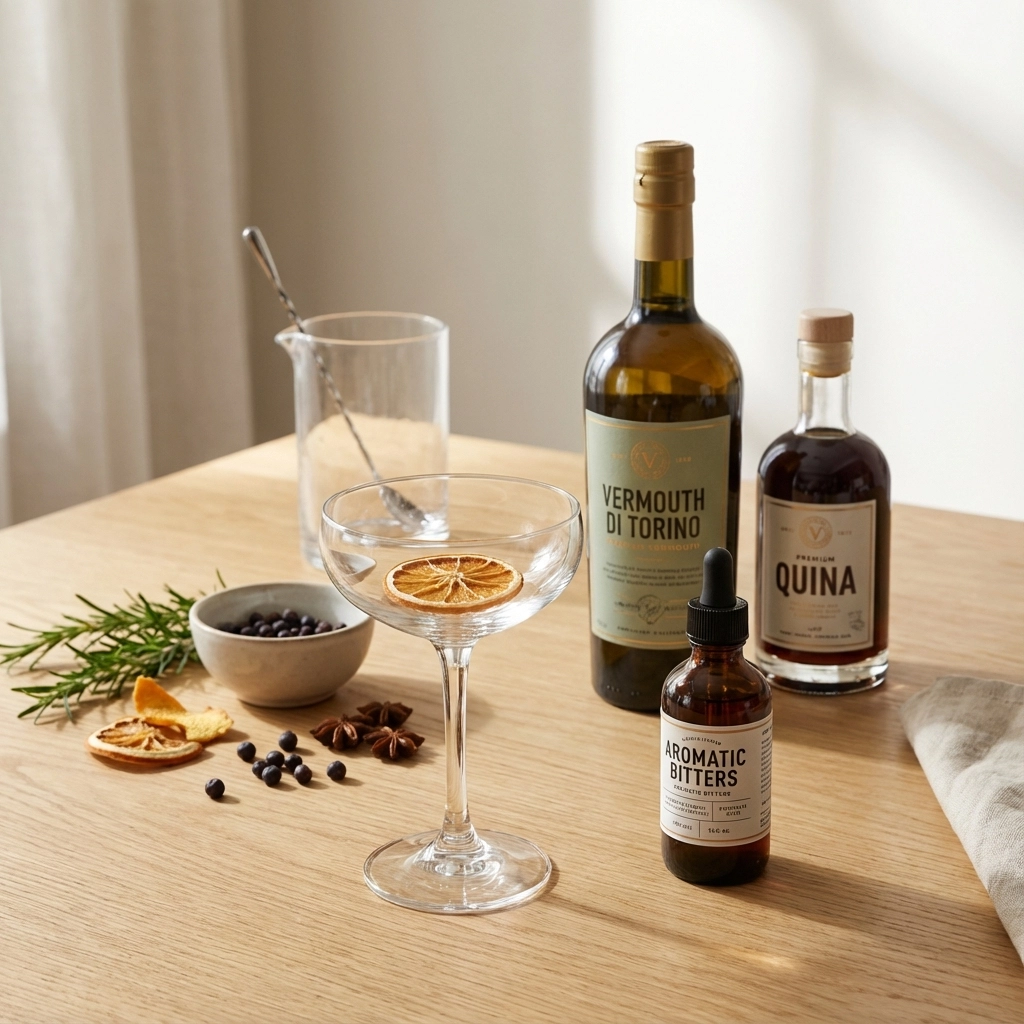
2. Vermouth Forward Cocktails
Design drinks that reverse traditional cocktail ratios, featuring premium vermouths as the base spirit rather than accent. Think Negroni variations with increased vermouth proportions or Martinez-style cocktails.
3. Sherry Cocktail Program
Develop a selection featuring dry and sweet sherries as base spirits. These fortified wines offer complex flavors at 15-20% ABV and pair beautifully with citrus, herbs, and aromatic bitters.
4. Spritz Collection
Create variations beyond the classic Aperol Spritz using different aperitifs, wine bases, and garnish combinations. These naturally low-ABV drinks offer high visual appeal and excellent profit margins.
5. House Wine Cocktails
Transform surplus wine inventory into profitable cocktails by creating sangrias, wine punches, and wine-based spritzes that extend shelf life while adding value.
Spirit-Forward Low-ABV Programs (Programs 6-10)
6. Half-Proof Classics
Offer traditional cocktails in half-serves or with reduced spirit content. This approach allows guests to enjoy multiple drinks while maintaining lower alcohol consumption.
7. Botanical Spirit Showcase
Feature lower-proof spirits like Ketel One Botanical, Hendrick's, or craft gins that emphasize botanicals over alcohol strength. These spirits create full-flavored drinks at reduced ABV levels.
8. Tea and Spirit Infusions
Develop cocktails using tea-infused spirits or tea as a base, combined with small amounts of complementary spirits. This approach creates complex flavor profiles while keeping alcohol content minimal.
9. Sake Cocktail Program
Build drinks around sake's natural 14-16% ABV, incorporating Japanese flavors and techniques that appeal to sophisticated palates seeking lower alcohol options.
10. Reverse Ratio Cocktails
Create drinks where traditional proportions are reversed – more mixer, less spirit – while maintaining flavor complexity through premium ingredients and creative garnishes.
Non-Alcoholic and Near-Zero Programs (Programs 11-15)
11. Mocktail Mirror Menu
Develop alcohol-free versions that mirror your signature cocktails, using similar flavor profiles and presentation styles to maintain brand consistency.
12. House-Made Fermented Beverages
Create kombucha-based drinks, drinking vinegars, and other fermented beverages that offer complexity and slight alcohol content (under 0.5% ABV) while supporting premium pricing.
13. Artisanal Soda Program
Develop sophisticated soft drinks using house-made syrups, fresh juices, and craft sodas that command cocktail-level pricing without alcohol.
14. Functional Beverage Collection
Create drinks featuring adaptogens, nootropics, and wellness ingredients that appeal to health-conscious consumers willing to pay premium prices for perceived benefits.
15. Fresh Juice and Shrub Program
Develop drinks using house-made drinking vinegars, fresh juices, and botanical infusions that offer complex flavor profiles without alcohol content.
Seasonal and Limited Programs (Programs 16-20)
16. Seasonal Low-Proof Punches
Create large-format drinks perfect for sharing that use minimal alcohol while maximizing flavor through fresh ingredients and creative presentations.
17. Hot Low-ABV Program
Develop warm drinks using mulled wines, low-proof spirits, and creative non-alcoholic bases that extend the program into colder months.
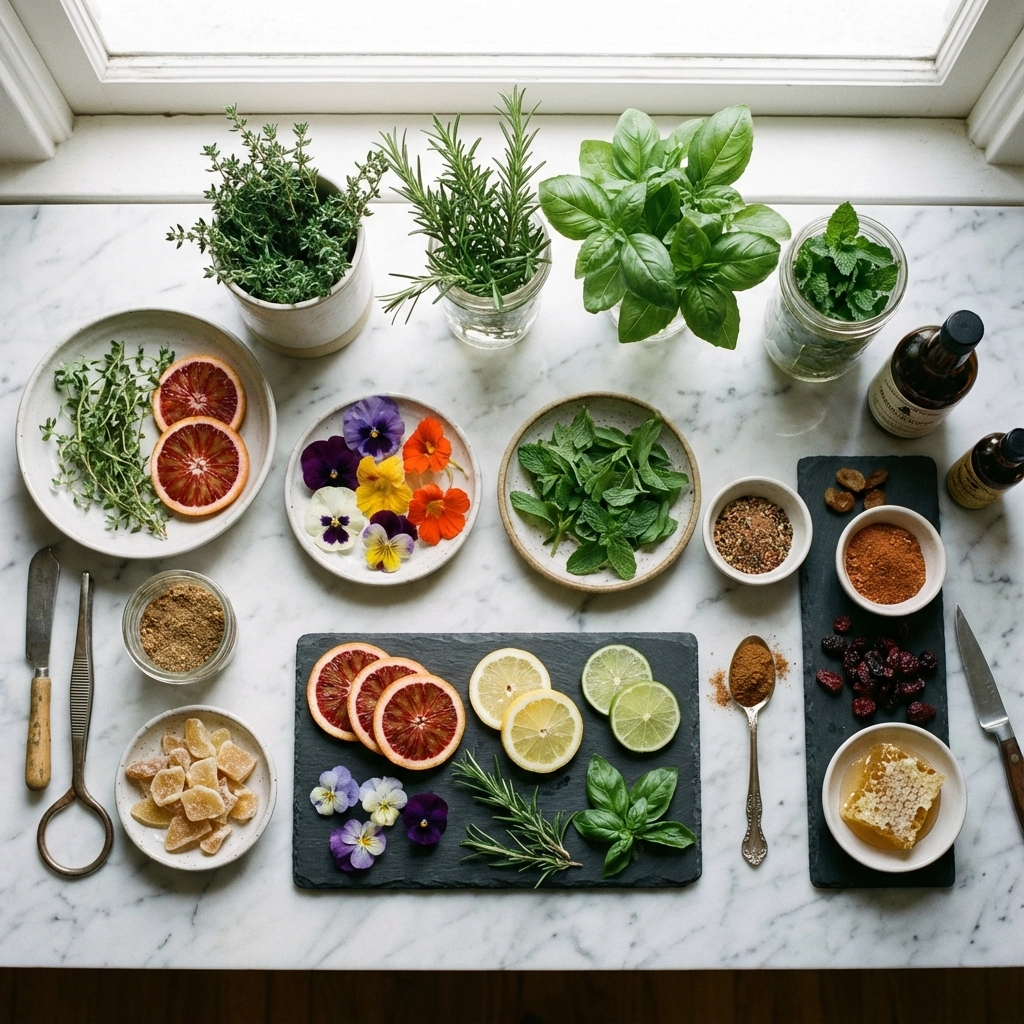
18. Garden-to-Glass Program
Feature drinks using fresh herbs, vegetables, and fruits that emphasize natural flavors while incorporating minimal alcohol content.
19. Regional Wine Collaboration
Partner with local wineries to create exclusive low-ABV cocktails using their products, building community connections while supporting local business.
20. Dietary-Specific Options
Develop programs catering to specific dietary needs – keto-friendly, vegan, gluten-free – using appropriate low-ABV bases and ingredients.
Implementation Strategies for Maximum Profitability
Successful low-ABV programs require strategic menu placement and staff training to ensure proper execution. We recommend featuring these options prominently in dedicated menu sections rather than hiding them among traditional cocktails. This positioning helps normalize low-ABV choices while making them easily accessible to interested guests.
Staff education plays a crucial role in program success. Every team member should understand the flavor profiles, preparation methods, and selling points for each low-ABV offering. This knowledge enables confident recommendations and upselling opportunities that drive revenue.
Inventory management becomes more complex with low-ABV programs due to increased ingredient variety. However, this complexity creates opportunities for creative cross-utilization of ingredients across multiple drink programs, reducing waste while maximizing purchasing power.
Menu Design Best Practices
Creating profitable low-ABV menus requires thoughtful design that emphasizes quality and sophistication. Every establishment has the potential to develop menu layouts that showcase these drinks as premium options rather than alcohol alternatives.
Use descriptive language that focuses on flavor profiles, preparation techniques, and ingredient quality rather than emphasizing reduced alcohol content. This approach positions low-ABV drinks as sophisticated choices rather than compromises.
Strategic pricing should reflect the premium ingredients and preparation complexity rather than defaulting to lower prices due to reduced alcohol content. Many successful programs price low-ABV cocktails within 10-15% of traditional cocktail pricing while maintaining superior profit margins.
Building Customer Loyalty Through Innovation
We believe that innovative low-ABV programs create lasting customer relationships by demonstrating commitment to evolving consumer preferences. These programs attract new demographics while providing existing customers with expanded options for different occasions and consumption preferences.
Every establishment has the opportunity to differentiate itself through creative low-ABV programming that reflects local tastes, seasonal ingredients, and brand personality. This differentiation creates competitive advantages that extend beyond pricing into experience and value perception.
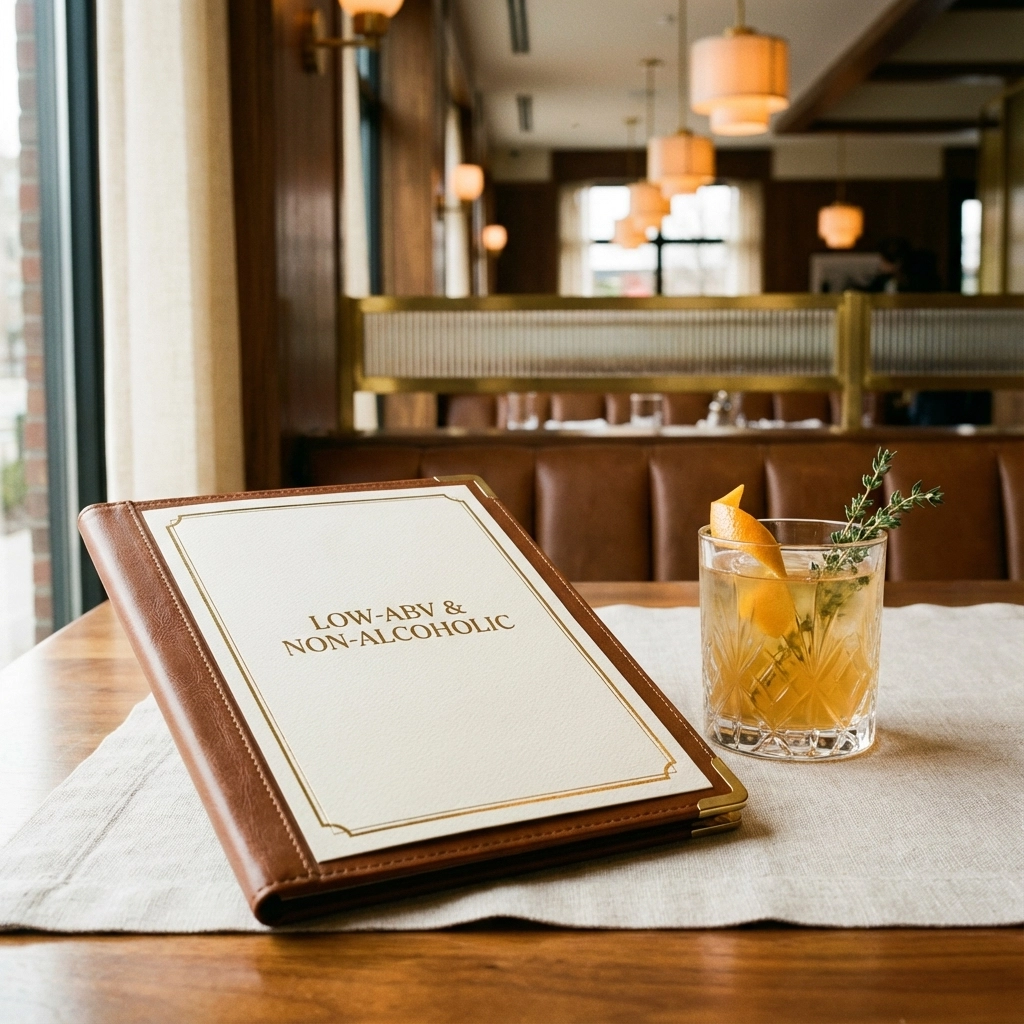
The success of low-ABV programs depends on consistent execution, ongoing menu development, and responsive customer feedback integration. Establishments that treat these programs as core offerings rather than trend-following additions consistently achieve superior results in both customer satisfaction and profitability.
Through strategic implementation of these 20 profitable drink programs, restaurants and bars can capture growing market demand while improving operational efficiency and profit margins. The key lies in viewing low-ABV offerings as premium experiences that enhance rather than compromise the beverage program.
For establishments ready to develop comprehensive low-ABV programs that drive profitability while meeting evolving consumer demands, Soderblom Consulting provides the expertise and strategic guidance necessary for successful implementation. Our team specializes in creating beverage programs that not only attract but retain customers through innovative, profitable offerings.