Let's be honest: staff training in the restaurant industry is often an afterthought. You hire someone, throw them on the floor during the dinner rush, and hope they figure it out. Sound familiar? We believe that this approach is not only setting your team up for failure but also costing you money, customers, and your sanity.
After years of experience working with restaurant owners nationwide, we've seen the same training mistakes repeated over and over again. The good news? Every establishment has the potential to transform their training approach and create environments where staff thrive. Here are the seven most common training pitfalls we encounter: and exactly how to fix them.
Mistake #1: Treating Your Staff Like Mindless Order-Takers
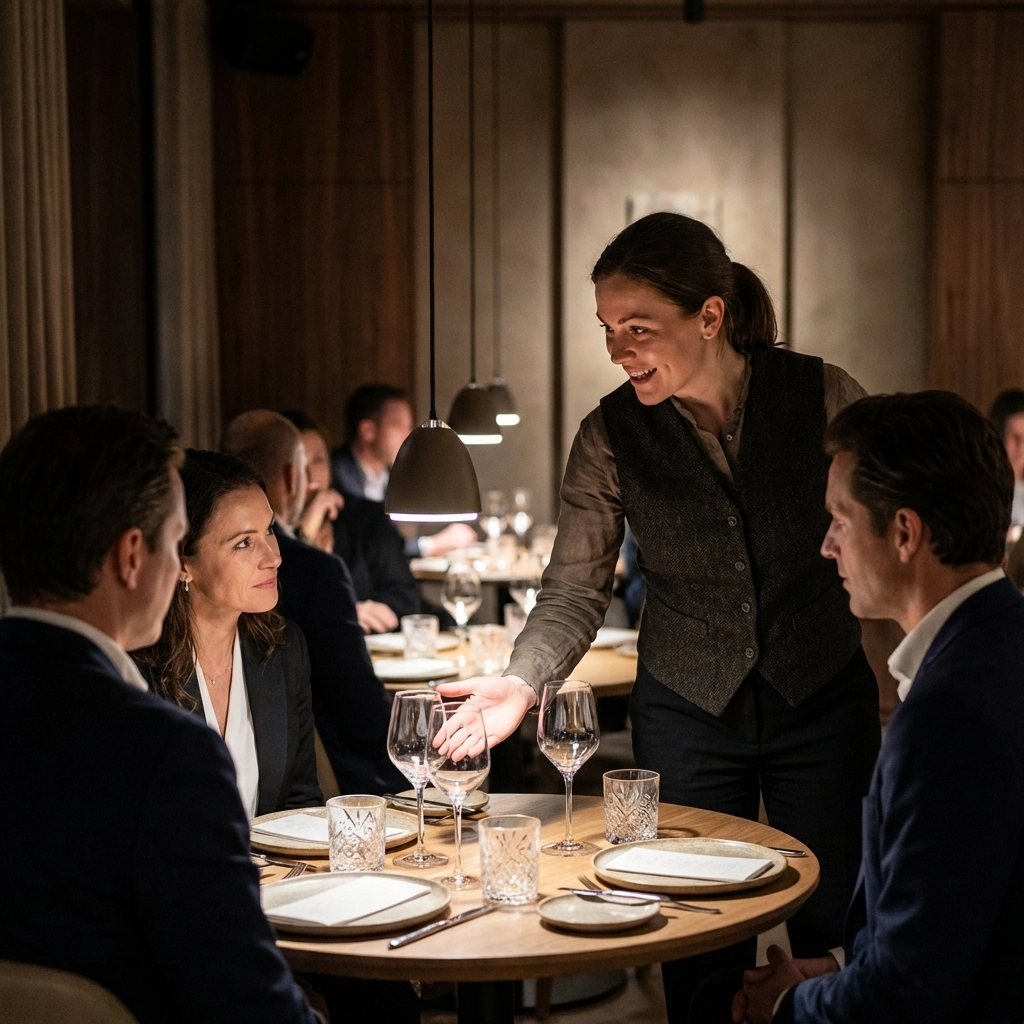
The problem runs deeper than you think. When you don't empower employees to make decisions, you're essentially telling them their judgment doesn't matter. This creates a culture where staff members are afraid to act, even when they know what needs to be done.
Picture this: A guest mentions it's their anniversary, but your server has to ask three different managers before they can comp a dessert. By the time approval comes through, the moment has passed, and what could have been a memorable experience becomes an awkward delay.
The fix: Implement situational empowerment training. Give your team clear boundaries within which they can operate independently. For example, servers might have authority to comp items up to $15, or hosts might be able to offer a free appetizer for longer wait times. The key is creating guidelines that protect your bottom line while allowing staff to provide exceptional service.
Start small. Choose specific scenarios where staff can take immediate action, document these policies clearly, and celebrate when team members make good judgment calls. You'll be amazed how much more confident and proactive your staff becomes.
Mistake #2: The "Figure It Out" Approach to Expectations
We've all been there. You hire someone with restaurant experience and assume they know what "good service" means in your establishment. But here's the reality: every restaurant operates differently, and what was acceptable at their last job might not align with your standards.
Vague expectations like "be friendly" or "keep tables clean" leave too much room for interpretation. One person's "friendly" might be chatty and casual, while another's might be polite but reserved. Without clear guidelines, you're setting everyone up for frustration.
The fix: Create detailed job descriptions that go beyond basic tasks. Instead of "greet guests," specify "greet guests within 30 seconds of seating with eye contact, a smile, and introduce yourself by name."
Document your service standards in writing and discuss them during training sessions. Make sure every team member understands not just what to do, but how to do it in your specific environment. When expectations are crystal clear, performance becomes measurable and manageable.
Mistake #3: Stuck in the Stone Age of Training Methods
If your training program consists of "shadow Sarah for a few shifts," you're using a method that was outdated twenty years ago. Traditional on-the-job training is inconsistent, time-consuming, and leaves too much to chance. What happens when Sarah's having an off day? Or when she's too busy to properly mentor?
The fix: Embrace technology without losing the human touch. Online learning modules can cover basic procedures, food safety, and menu knowledge before new hires even step foot on the floor. Kitchen display systems can guide food preparation, and structured checklists ensure nothing gets missed.
But don't go completely digital. Supplement technology with mentorship programs where experienced staff members are specifically trained to be effective coaches. Cross-training opportunities also ensure your team understands how different roles connect, creating a more cohesive operation.
Consider creating video training modules specific to your restaurant. Film your best servers demonstrating proper techniques, or have your chef explain signature dishes. This ensures consistent messaging every time.
Mistake #4: One-Size-Fits-All Training Programs
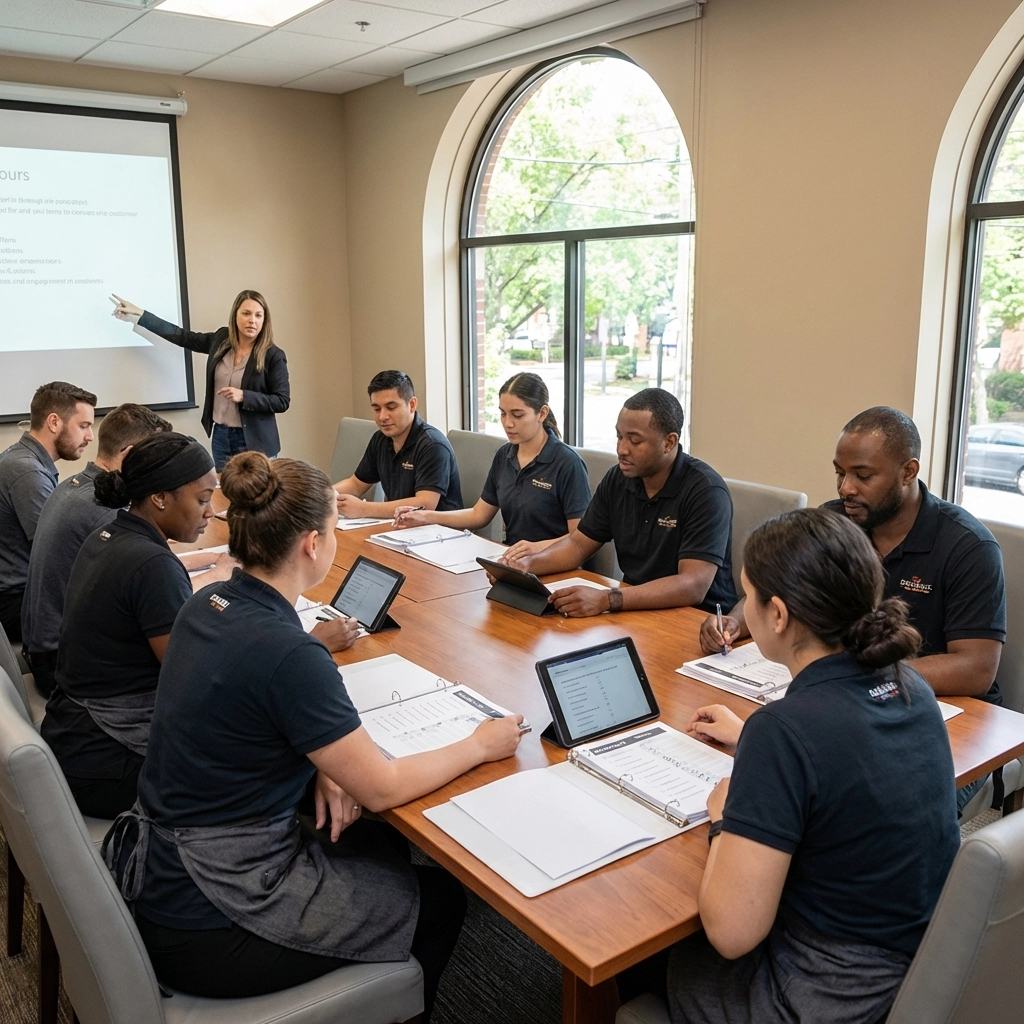
Generic training programs miss the mark because they can't address what makes your restaurant unique. A fast-casual concept operates completely differently from fine dining, and training should reflect these differences.
Your staff needs to understand your specific cuisine, guest demographics, busy periods, menu items, and POS system. They need to know that your Tuesday lunch crowd consists mainly of business people in a hurry, while Saturday night brings couples celebrating special occasions.
The fix: Tailor every aspect of training to your unique operation. Create restaurant-specific scenarios for role-playing exercises. If you're a family restaurant, practice handling cranky toddlers and rushed parents. If you're a sports bar, train staff on managing game-day crowds and handling intoxicated guests appropriately.
Develop menu training that goes beyond ingredients. Teach your team the stories behind signature dishes, wine pairings, and how to upsell appropriately for your price point and clientele. When staff understand the big picture of how your restaurant operates, they can make better decisions in real-time.
Mistake #5: Winging It Without Standardized Procedures
Consistency builds trust, and trust keeps customers coming back. When different staff members handle the same situation in completely different ways, guests notice. One server might offer extra ranch at no charge while another charges $0.50. One host might quote a 20-minute wait while another says 30 minutes for the same situation.
The fix: Document your standard operating procedures for everything. Create step-by-step guides for common tasks like opening and closing procedures, handling special dietary requests, and managing complaints.
Use visual aids wherever possible. Photos of proper table settings, food presentation standards, and cleaning checklists help reinforce expectations. When procedures are documented and consistently followed, guests know what to expect every time they visit.
Regular team meetings should include procedure reviews. When you introduce new menu items or change policies, make sure everyone gets the same information at the same time.

Mistake #6: The "One and Done" Training Mentality
Training shouldn't end after the first week. The restaurant industry evolves constantly: new menu items, updated technology, changing regulations, and seasonal adjustments all require ongoing education. Yet many operators treat training as a one-time event rather than an ongoing process.
The fix: Create a training calendar with regular sessions throughout the year. Schedule monthly team meetings to review procedures, introduce new items, and address any issues that have come up.
Implement ongoing coaching sessions where managers conduct regular check-ins with staff members. These aren't disciplinary meetings: they're opportunities to provide feedback, recognize good work, and identify areas for improvement.
When you launch new menu items, don't assume staff will figure them out on their own. Conduct formal tasting sessions where team members can sample new dishes, learn about ingredients, and practice describing items to guests. This investment pays off in increased sales and customer satisfaction.
Mistake #7: Micromanaging Instead of Developing Leaders
Nothing kills morale faster than a manager who hovers over well-trained staff members. If you've invested in proper training, you need to trust your team to do their jobs. Micromanaging sends the message that you don't believe in their abilities, which becomes a self-fulfilling prophecy.
The fix: Train thoroughly, then step back and let your team work. Focus on coaching rather than controlling. When issues arise, use them as teaching moments rather than opportunities to take over.
Conduct regular check-ins at scheduled intervals rather than constantly interrupting workflow. Lead by example by following the same standards you expect from your team. If you want servers to be punctual, be punctual yourself. If you expect friendly service, demonstrate friendly interactions with both staff and guests.
Recognize and celebrate when team members make good decisions independently. This reinforces the behaviors you want to see and builds confidence throughout your staff.
Creating a Culture of Continuous Improvement
We believe that effective staff training is not just about avoiding mistakes: it's about creating an environment where every team member has the potential to grow and contribute to your restaurant's success. When you invest in comprehensive, ongoing training, you're not only attracting but retaining quality staff who take pride in their work.
Remember, your staff training program reflects your commitment to excellence. Guests can sense when team members are confident, empowered, and well-prepared. This confidence translates into better service, higher sales, and the kind of memorable experiences that turn first-time visitors into loyal customers.
The restaurant industry will always present challenges, but with the right training approach, your team can handle anything that comes their way. Start by addressing these seven common mistakes, and you'll be amazed at how quickly your operation improves.
Ready to transform your staff training program? At Soderblom Consulting, we specialize in creating customized training solutions that work for your specific operation. Contact us to learn how we can help you build a team that not only meets but exceeds your guests' expectations.