We believe that every restaurant has the potential to run a profitable operation: but only when the numbers tell the real story. If you've been crunching figures, reviewing spreadsheets, and still scratching your head about where your money goes, you're not alone. Countless restaurant owners and managers invest significant time into cost analysis, only to find that the results don't match reality or fail to drive meaningful change.
The truth is, cost analysis isn't just about adding up expenses. It's about understanding the complete financial picture of your operation and using that insight to make smarter decisions. When your analysis falls short, the consequences show up in shrinking margins, unexpected losses, and constant financial stress.
Let's break down the ten most common reasons your restaurant cost analysis isn't delivering results: and more importantly, how to fix each one.
1. You're Not Monitoring COGS Data Regularly
One of the biggest mistakes we see in the hospitality industry is treating cost of goods sold (COGS) analysis as a monthly chore rather than an ongoing practice. When you only look at your numbers once a month, you're essentially driving blind for 29 days at a time.
The Fix: Implement systematic, weekly tracking of your beginning inventory, food purchases, and closing inventory. Use this straightforward formula to calculate accurate food costs:
(Beginning inventory + food purchases – closing inventory) ÷ total food sales = Food cost percentage
Regular monitoring allows you to spot trends, catch problems early, and make informed purchasing decisions before small issues become expensive ones.

2. You're Relying on Only One Costing Method
Many operators choose either recipe costing or overall food costing: but not both. Recipe costing gives you granular, ingredient-level details for individual dishes. Food costing shows your macro-level expense picture. Using just one method leaves significant blind spots in your analysis.
The Fix: Integrate both approaches into your regular analysis routine. Use recipe costing to set profitable prices for each menu item and food costing to understand broader inventory and purchasing decisions. Together, they create a complete view of where your money actually goes.
3. You Haven't Set Measurable Goals
Without clear, specific objectives, your cost reduction efforts lack direction. Saying "we need to reduce food costs" isn't a goal: it's a wish. Without measurable targets, you can't track progress or hold anyone accountable.
The Fix: Establish specific KPIs linked to supplier management, inventory control, portion sizes, and waste reduction. For example, set a concrete target like reducing your food cost percentage from 32% to 28% over the next quarter. When goals are measurable, they become achievable.
4. You're Missing Indirect Costs
We believe that comprehensive cost analysis requires looking at the complete picture: not just the obvious expenses. Many restaurants focus heavily on food costs while overlooking indirect expenses that quietly drain profitability.
The Fix: Include every major expense category in your analysis: hourly and salaried labor, food and beverages, marketing, insurance, equipment maintenance, and utilities. Use realistic percentages based on recent trends rather than industry averages that may not reflect your specific operation.

5. You're Ignoring Menu-Level Profitability
Not every dish on your menu performs equally. Some items drive strong margins while others barely break even: or worse, lose money with every order. If you're not analyzing individual dish profitability, you're missing critical cost control opportunities.
The Fix: Use your POS sales reports to identify high and low margin items. Classify each dish into profitability categories based on both sales volume and margin contribution. Then make strategic decisions: promote high-performers, re-engineer underperformers, or remove items that consistently drag down your bottom line.
For more insights on optimizing your operations, visit our services page to see how we help restaurants transform their financial performance.
6. Your Inventory Management Is Falling Short
Poor inventory tracking allows waste, spoilage, and shrinkage to go undetected. If you don't know exactly what you have, what you've used, and what you've lost, your cost analysis will never be accurate.
The Fix: Monitor inventory systematically using both physical counts and digital tracking. Track inventory usage by menu item to identify improper portioning, training gaps, or potential theft. When you know where every ingredient goes, you can control where every dollar goes.
7. Your Sales Forecasting Is Unrealistic
Using overly optimistic projections: or outdated historical data: leads to overproduction, excess inventory, and preventable waste. Inaccurate forecasting throws off your entire cost analysis from the start.
The Fix: Forecast sales using customized historical data specific to your location, season, and current trends. Factor in local events, weather patterns, and day-of-week variations. Then adjust prep quantities and inventory decisions accordingly. Accurate forecasting is the foundation of accurate cost analysis.
8. You're Not Catching Vendor Billing Errors
Hidden pricing changes, substitutions, and invoicing mistakes happen more often than most operators realize. These errors can significantly impact your costs: and if you're not actively looking for them, they'll slip right past your analysis.
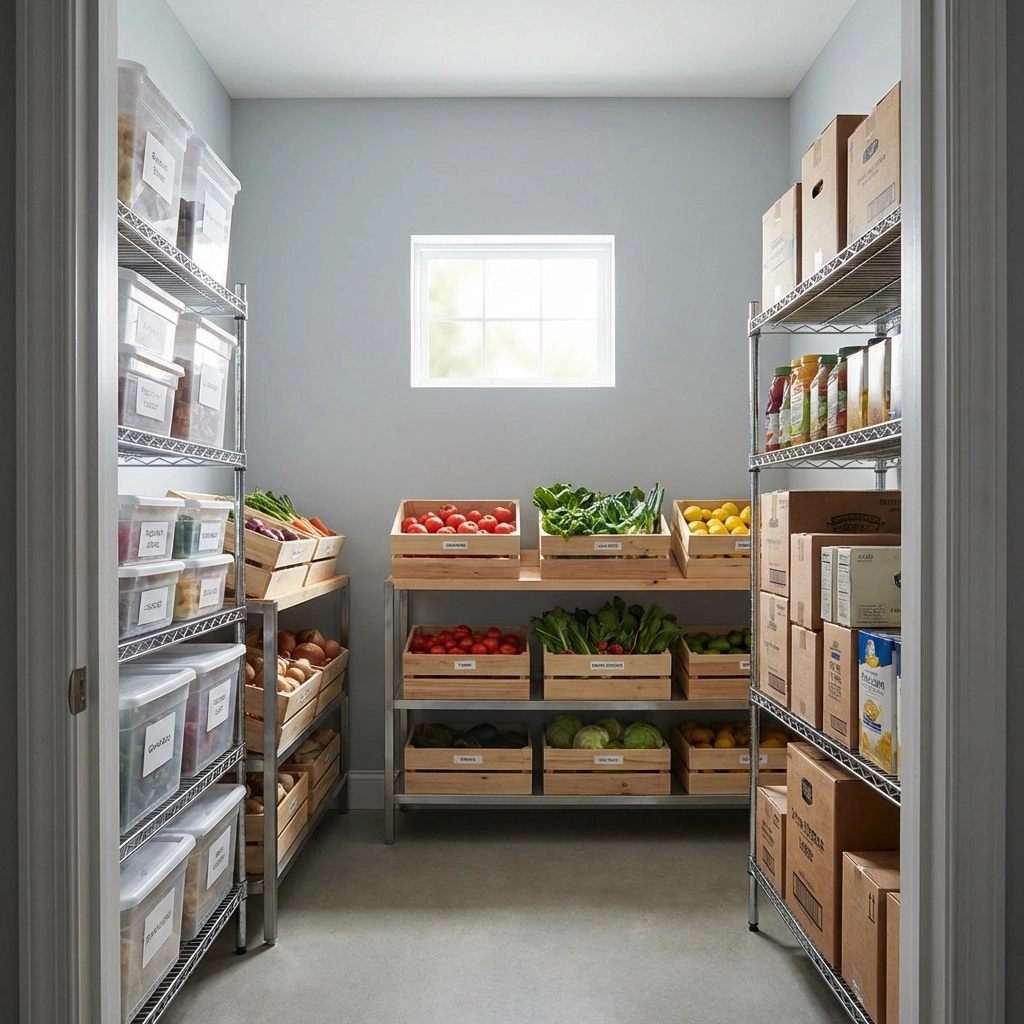
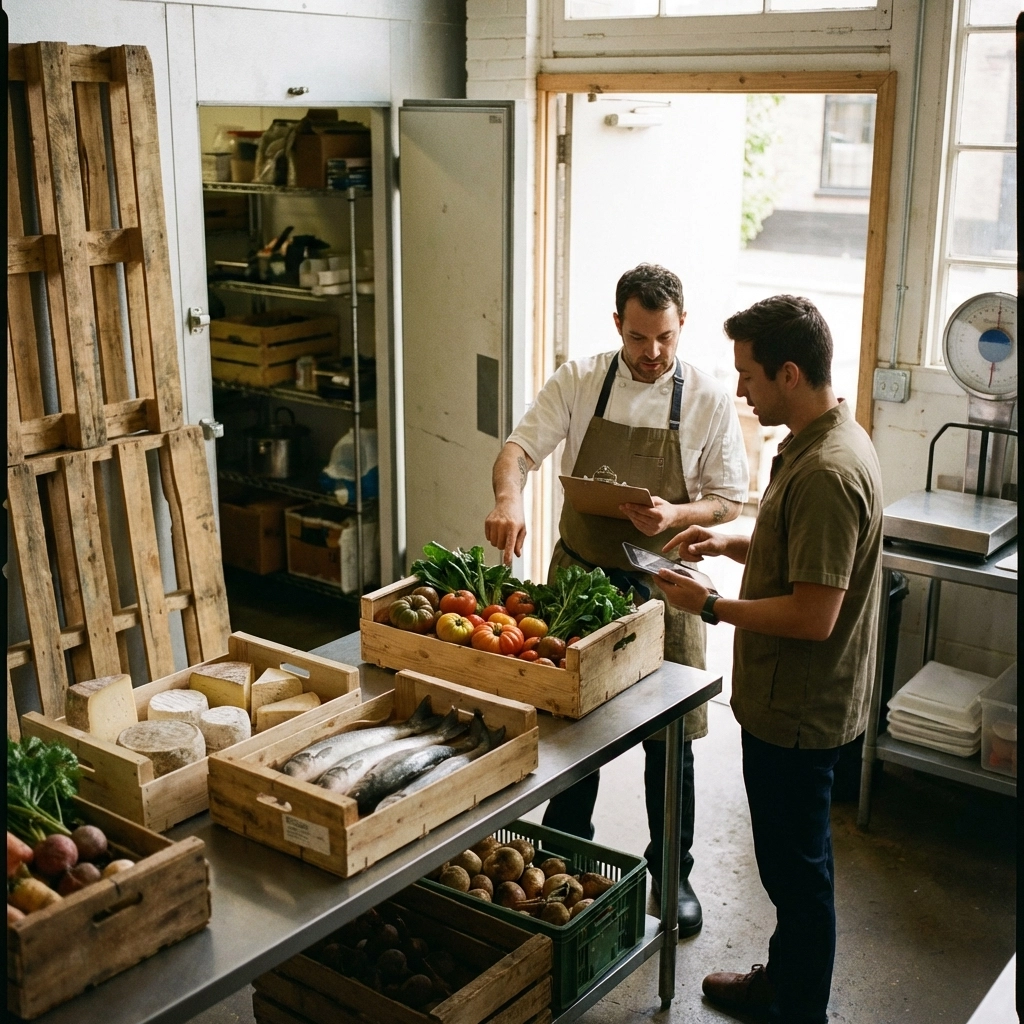
The Fix: Implement a systematic receiving process that compares every delivery against contracted prices. Flag any items that fall outside agreed-upon terms. Many operators find that this single practice recovers thousands of dollars annually in billing discrepancies.
9. You're Not Tracking Staff Performance Metrics
Your kitchen team directly impacts food costs through portioning, prep efficiency, and waste management. Without clear accountability and performance metrics, inconsistent practices become invisible in your analysis.
The Fix: Set performance objectives with specific KPIs for your culinary team. Track progress monthly and share results with staff to drive behavioral improvements. When team members understand how their work affects the bottom line, they become partners in cost control rather than obstacles to it.
This connects directly to effective staff training practices: because well-trained teams naturally produce better cost outcomes.
10. Your Menu Never Evolves
A static menu misses ongoing opportunities to reduce ingredient costs, eliminate waste, and respond to changing supplier pricing. If your menu hasn't been strategically reviewed in the past six months, your cost analysis is based on outdated assumptions.
The Fix: Systematically analyze each menu item's sales performance against its preparation costs at least quarterly. Re-engineer high-cost, low-demand dishes by adjusting ingredients or preparation methods. Consider portion size adjustments to minimize waste while maintaining perceived value. Continuous menu optimization keeps your cost analysis relevant and actionable.
Bringing It All Together
We believe that effective cost analysis isn't about finding one magic solution: it's about building a comprehensive system that addresses every aspect of your operation. Each of these ten issues compounds the others. Fix one, and you'll see improvement. Fix all ten, and you'll transform your restaurant's financial performance.
The hospitality industry runs on tight margins, and every percentage point matters. When your cost analysis actually works, you gain the clarity to make confident decisions, the insight to spot problems early, and the control to protect your profitability.
Years of experience working with restaurant operators across the industry have shown us that these challenges are universal: but so are the solutions. Every establishment has the potential to achieve stronger financial performance when the right systems are in place.
Ready to take control of your restaurant's cost analysis? We're here to help you build systems that not only identify problems but solve them. Contact us to start the conversation about transforming your operation's financial future.