We believe that every restaurant owner has the potential to run a smarter, more efficient operation: without replacing the human touch that makes hospitality special. The secret? Knowing where AI fits and where it doesn't.
If you've been hearing about artificial intelligence transforming the restaurant industry but aren't sure where to start, you're not alone. The good news is that integrating AI into your restaurant doesn't require a complete overhaul of your systems or a massive technology budget. It just requires a strategic approach.
This guide breaks down exactly how to bring AI into your restaurant operations in 2026: focusing on the practical tools that actually move the needle for scheduling, inventory, and customer service.
Why AI Matters for Restaurant Owners Right Now
Let's be real: running a restaurant has never been easy, and the past few years have made it even harder. Labor shortages, rising food costs, shifting customer expectations, and razor-thin margins mean you need every advantage you can get.
AI has shifted from "nice to have" to operational necessity. Not because it replaces your team, but because it helps you make better decisions faster. It surfaces patterns you might miss, automates repetitive tasks, and frees up your staff to focus on what they do best: creating memorable guest experiences.
The restaurants seeing real results aren't the ones chasing every shiny new tool. They're the ones starting with one clear problem and solving it before moving on.

Start With Your Biggest Pain Point
Here's the most important piece of advice we can give you: don't try to do everything at once.
Identify your most pressing operational challenge first. Is it:
- Scheduling headaches that leave you understaffed during rushes and overstaffed during slow periods?
- Inventory waste eating into your profits every week?
- Missed phone calls costing you reservations and takeout orders?
- Menu items that aren't performing but you're not sure which ones?
Pick one. Start there. This focused approach reduces disruption, delivers measurable ROI quickly, and builds your team's confidence with AI tools before expanding.
The Four Pillars of AI-Powered Restaurant Operations
Once you've identified your starting point, it helps to understand how AI strengthens connected workflows. We call this the four-pillar operating model:
1. Forecasting Demand
AI analyzes your historical sales data, local events, weather patterns, and real-time signals to predict customer behavior. Instead of guessing how busy Saturday night will be, you'll know: and you can staff and prep accordingly.
2. Ordering Inventory
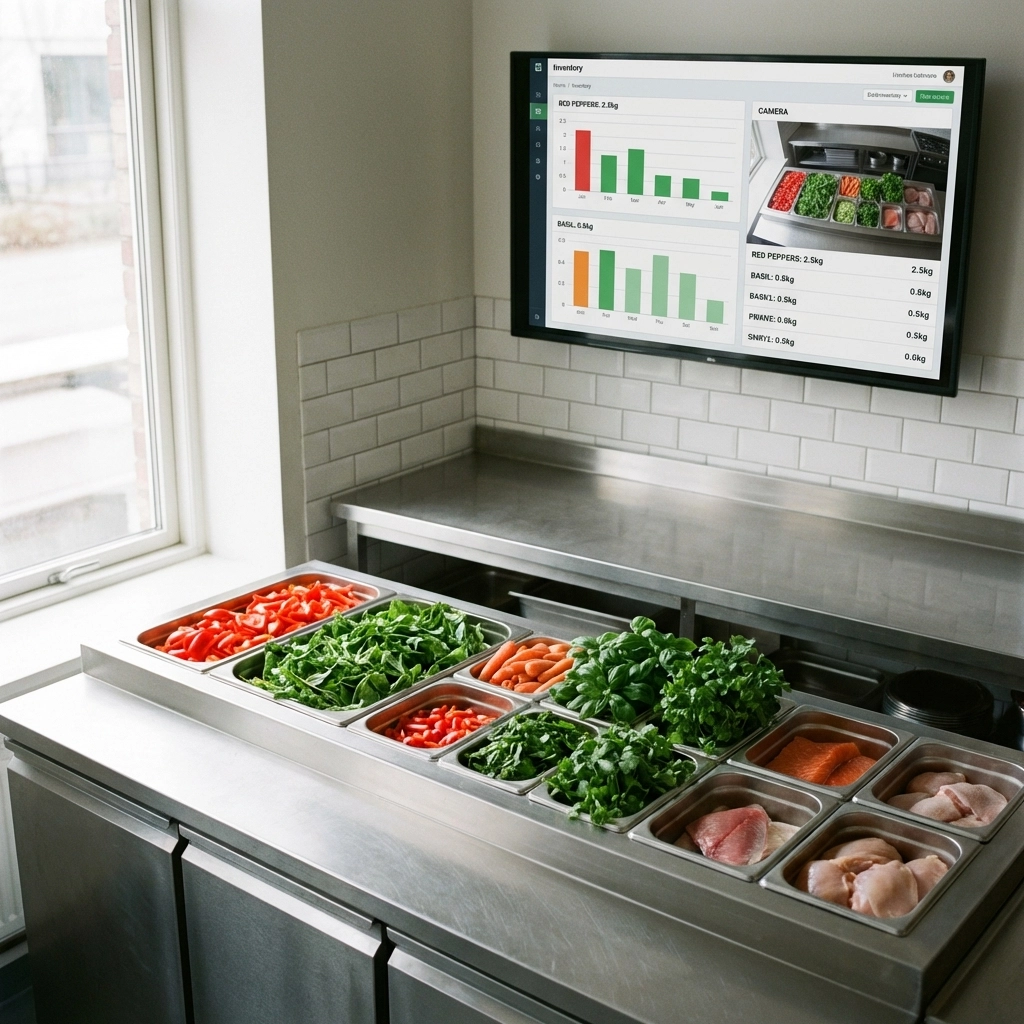
When you know what demand looks like, you can automate purchasing decisions. AI-driven inventory systems order what you need based on accurate forecasts, minimizing both overstock and stockouts.
3. Reducing Waste
This is where the real savings happen. By aligning your inventory with actual demand, you cut food costs significantly. Sweetgreen, for example, reduced waste by 20% using AI forecasting. That's money that goes straight to your bottom line.
4. Managing Menu Profitability
AI helps you identify your best-performing items and optimize pricing and placement. If you've been wondering which dishes to promote and which to retire, data-driven insights take the guesswork out of menu engineering.
These four pillars reinforce each other. When they're working together, you get predictability instead of surprises.
Practical AI Tools for Your Restaurant in 2026
Let's get specific. Here are the core technologies we recommend restaurant owners explore this year:
AI Phone Answering Systems
How many calls does your restaurant miss during the dinner rush? Each one could be a lost reservation or takeout order. AI phone systems capture those calls, answer common questions, take orders, and even upsell intelligently: all without pulling your staff away from guests.
Restaurants using these systems report 10-15% increases in order value through AI-driven upselling alone.
Integrated POS Systems
Your point-of-sale system should be the hub of your operation. Modern AI-enhanced POS platforms connect ordering, payments, inventory tracking, and loyalty programs into one ecosystem. When everything talks to everything else, you eliminate manual data entry and reduce errors.
Smart Scheduling Software
AI scheduling tools analyze your sales patterns, reservation data, and historical trends to recommend optimal staffing levels. No more scrambling to find coverage or paying for labor you don't need. Your staff gets more predictable schedules, and you get better coverage during peak times.
If you're struggling with staff turnover, consistent scheduling is one of the simplest retention tools you have.
Automated Inventory Management
Predictive ordering prevents the two biggest inventory nightmares: running out of key ingredients mid-service and throwing away food that went bad before you could use it. These systems learn your patterns and get smarter over time.
Analytics Dashboards
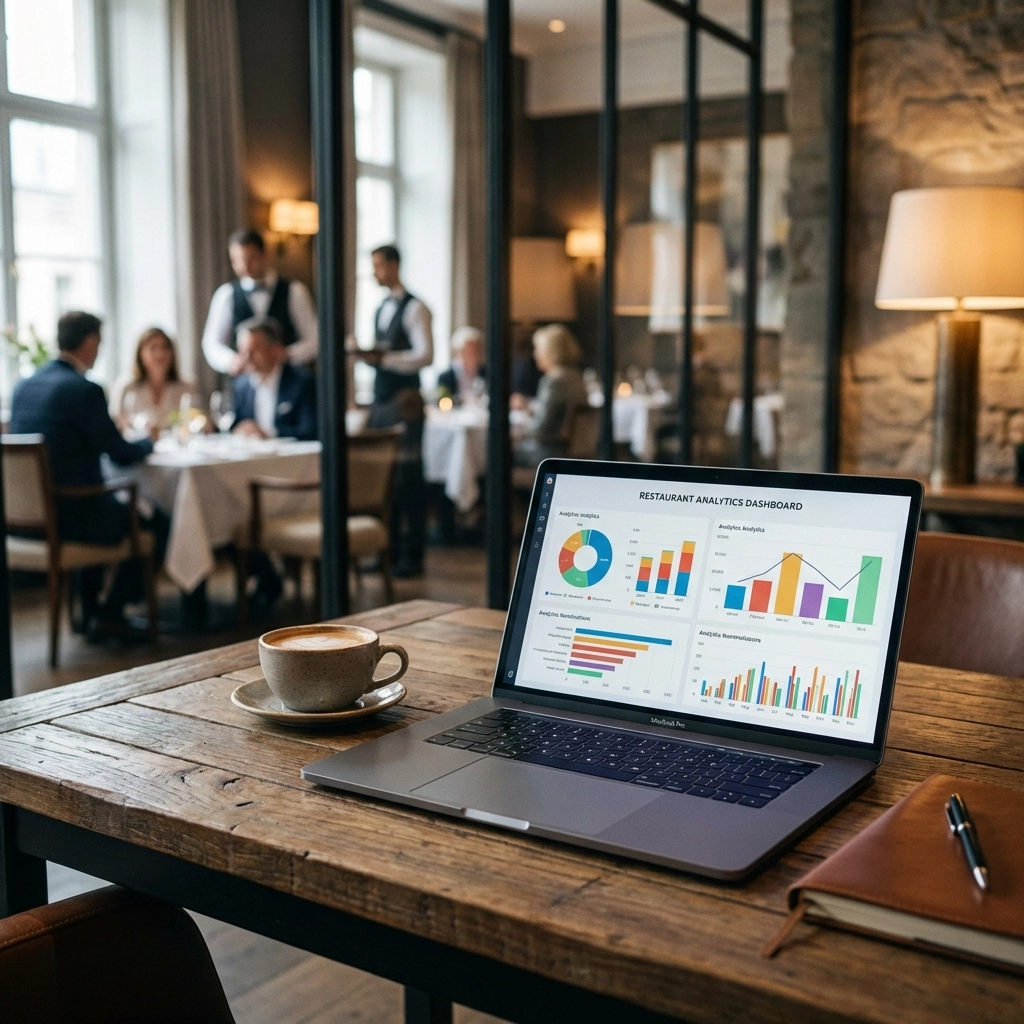
Good data is useless if you can't see it. AI-powered dashboards give you real-time visibility into call patterns, menu performance, peak hours, and customer behavior. Use these insights to guide staffing decisions, promotional timing, and menu design.
Implementation Tips That Actually Work
Technology only helps if you implement it correctly. Here's how to set yourself up for success:
Own Your Data
When your restaurant owns its ordering and customer data: rather than relying entirely on third-party platforms: your AI insights become more accurate and actionable. This gives you competitive advantage and confidence in your decision-making.
Pair AI With Human Judgment
We believe strongly that AI should surface patterns and opportunities, not make final decisions. Your team brings the strategic thinking, the hospitality instincts, and the customer relationships that no algorithm can replicate. AI handles the analysis; humans make the calls.
Feed AI Clean Data
The quality of your data directly impacts the quality of AI recommendations. Ensure consistent, accurate data entry across all systems. Garbage in, garbage out: it's that simple.
Focus on Integration, Not Isolation
Avoid the trap of adding disconnected tools that don't talk to each other. When your POS connects to your inventory system, which connects to your forecasting tool, which informs your scheduling software: that's when you see real operational improvement.
What Success Looks Like
Restaurants that implement AI strategically are seeing tangible wins:
- 20% reduction in food waste through better demand forecasting
- 10-15% increase in average order value via intelligent upselling
- Faster service and fewer missed customer touchpoints
- Better labor cost management with staffing aligned to actual demand
- Improved staff morale from more predictable schedules and less chaos
These aren't hypothetical benefits. They're happening right now in restaurants that took a measured, strategic approach to AI adoption.
Ready to Get Started?
Integrating AI into your restaurant doesn't have to be overwhelming. Start with one problem, choose tools that integrate with your existing systems, and let the data guide your expansion.
We believe every establishment has the potential to operate smarter without sacrificing the human element that defines great hospitality. AI isn't here to replace your team: it's here to help them do their best work.
If you're ready to explore how AI can transform your restaurant operations, we'd love to help you build a roadmap that makes sense for your specific situation.
Contact us to start the conversation.
Soderblom Consulting LLC : Nationwide Hospitality Consulting