Restaurant owners today face an increasingly complex question: Should they invest in creating memorable experiences or focus on perfecting traditional service excellence? The answer directly impacts profitability, and the choice isn't as straightforward as it might seem.
We believe that understanding the distinct advantages of each approach: and how they work together: represents the difference between surviving and thriving in today's competitive hospitality landscape. Every establishment has the potential to leverage both strategies effectively, but success requires knowing when, where, and how to implement each one.
The Experience-Centric Advantage: Creating New Revenue Streams
Experience-centric dining fundamentally transforms how restaurants generate revenue. Rather than relying solely on traditional food and beverage sales, this approach creates multiple profit centers that extend far beyond the standard dining transaction.
Wine tastings, chef's table experiences, culinary classes, and themed dinner events represent just the beginning of what's possible. These offerings enable restaurants to interact with guests in ways that traditional menu ordering simply cannot achieve. More importantly, they command premium pricing that moves establishments away from the razor-thin margins that plague conventional dining operations.

The operational benefits extend beyond revenue generation. Experience-based reservations, made weeks or months in advance, allow for precise staffing optimization and food ordering that significantly reduces waste. This predictability creates operational efficiency that traditional walk-in or standard reservation models struggle to match.
Consider the flexibility advantages: experience-centric establishments can rapidly test new menu concepts, experiment with seasonal offerings, and pivot their programming based on guest feedback: something traditional dine-in restaurants find challenging due to menu printing costs and operational complexity.
The financial impact becomes clear when examining average transaction values. Experience-driven dining typically generates 40-60% higher per-guest revenue compared to standard dining experiences, while simultaneously reducing food waste and optimizing labor costs through advance planning.
Traditional Service Excellence: The Retention Powerhouse
While experience-centric dining creates new revenue opportunities, traditional service excellence builds the foundation that sustains long-term profitability. The numbers tell a compelling story: a 5% increase in customer retention can boost profits by 25% to 95%.
This isn't about basic competence: it's about creating emotional connections through consistently exceptional hospitality. Customers who develop emotional connections to restaurants visit 32% more often and spend 46% more per visit than merely satisfied guests. The compound effect of this loyalty creates sustainable profit growth that no single experience can match.
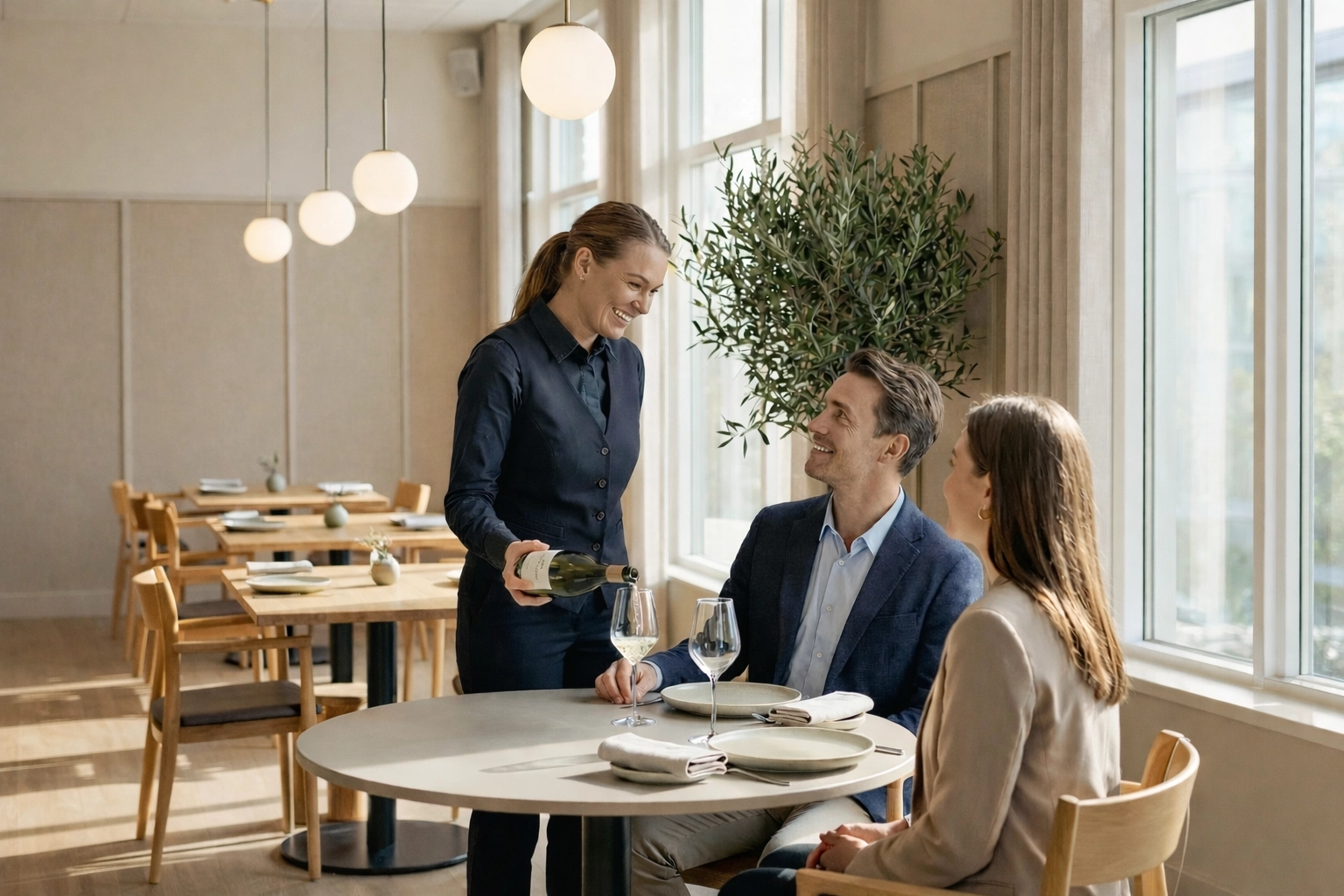
The cost implications are equally significant. Acquiring new customers costs five times more than retaining existing ones, making customer loyalty a direct profit driver. Loyal customers spend 67% more than new ones over their lifetime relationship with a restaurant, creating a predictable revenue base that supports operational stability and growth investment.
Poor hospitality carries a measurable cost. Industry research indicates that inadequate service quality costs the hospitality sector $3.7 trillion annually through lost customers, negative reviews, and reduced spending frequency. This represents not just missed opportunities, but active profit leakage that undermines even the most innovative experience programming.
Traditional service excellence also creates organic marketing advantages. Satisfied guests become brand advocates, generating word-of-mouth referrals that convert at much higher rates than paid advertising. This organic growth compounds over time, creating customer acquisition cost advantages that directly impact profitability.
The Integration Advantage: Why Both Approaches Win Together
The most profitable restaurants don't choose between experience-centric dining and traditional service excellence: they strategically combine both approaches to create multiplicative benefits.
Experience programming layered onto excellent traditional service creates memorable interactions that deepen emotional connections with the brand. Guests who attend a wine tasting led by knowledgeable, attentive staff don't just remember the wine: they remember feeling valued and cared for throughout the experience.
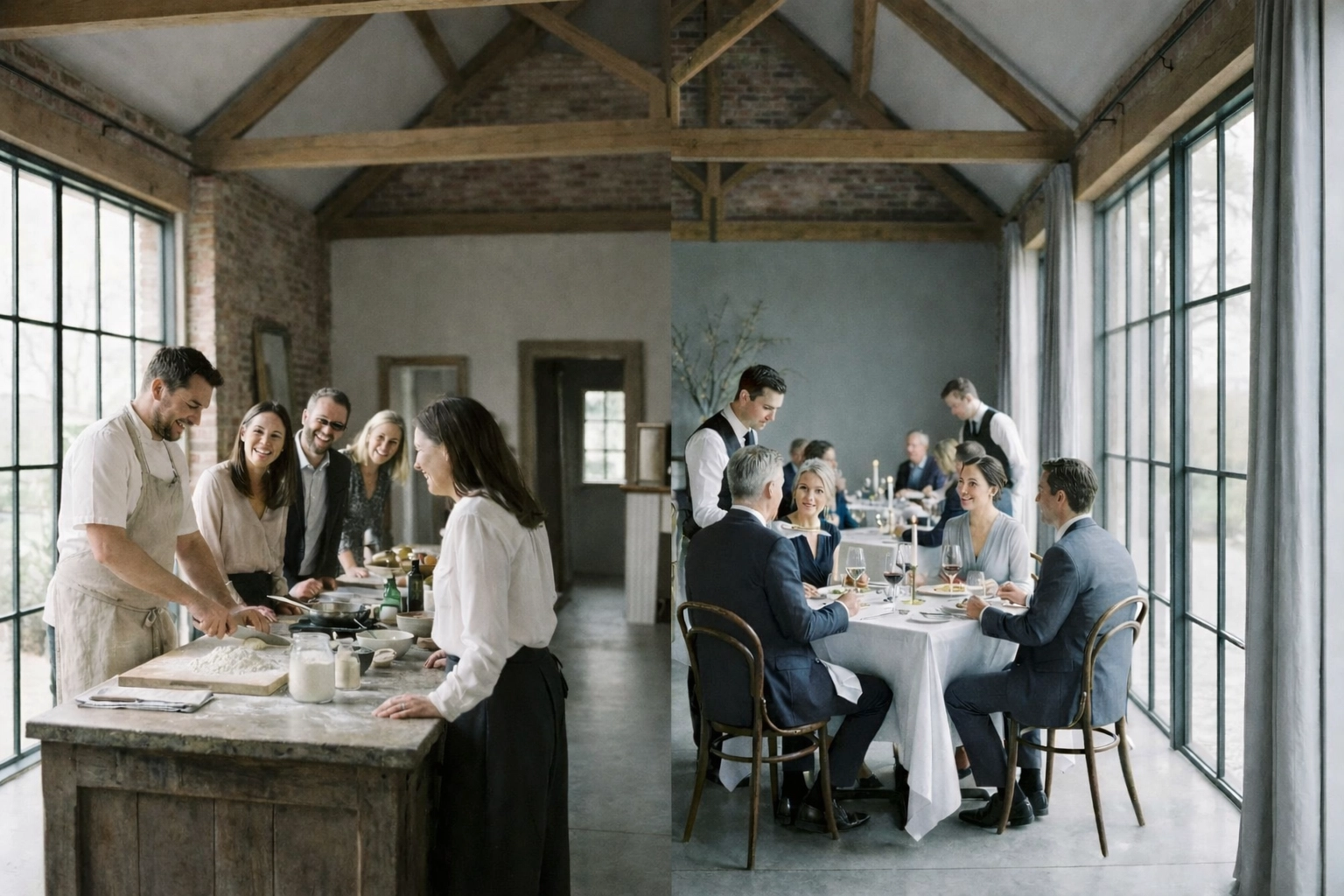
This integration approach addresses different aspects of the customer journey. Traditional service excellence ensures that every touchpoint, from reservation to departure, reinforces positive brand perception. Experience programming provides opportunities to create standout moments that differentiate the establishment from competitors.
The operational synergies are substantial. Staff trained in exceptional service delivery naturally enhance experience programming through their attention to detail and guest care. Conversely, experience programming gives service teams additional tools and touchpoints to demonstrate their expertise and build guest relationships.
Measuring Success: Key Performance Indicators for Both Approaches
Effective implementation requires tracking the right metrics for each approach. Experience-centric dining success shows up in average transaction values, advance booking rates, repeat experience participation, and ancillary revenue generation.
Traditional service excellence manifests in customer retention rates, guest satisfaction scores, online review sentiment, and lifetime customer value calculations. The most successful establishments track both sets of metrics to ensure balanced growth.

Revenue per available seat hour (RevPASH) provides a unified metric that captures the combined impact of both approaches. This measurement reflects not just how much guests spend, but how efficiently the restaurant uses its capacity to generate profit.
Guest feedback patterns also reveal integration success. Reviews that mention both exceptional service and memorable experiences indicate successful strategy combination, while feedback focusing on only one element suggests missed opportunities.
Implementation Strategy: Building Your Integrated Approach
Starting with traditional service excellence creates the foundation for successful experience programming. We believe that establishments should first ensure consistent delivery of exceptional hospitality before layering on experience-centric offerings.
This progression makes strategic sense: experience programming with poor service delivery often fails to generate repeat participation, while excellent service with limited experience programming still builds customer loyalty and sustainable profitability.
Staff development represents the crucial connecting element. Team members who understand both service excellence principles and experience delivery techniques become versatile assets who can adapt to different guest needs and preferences within the same shift.
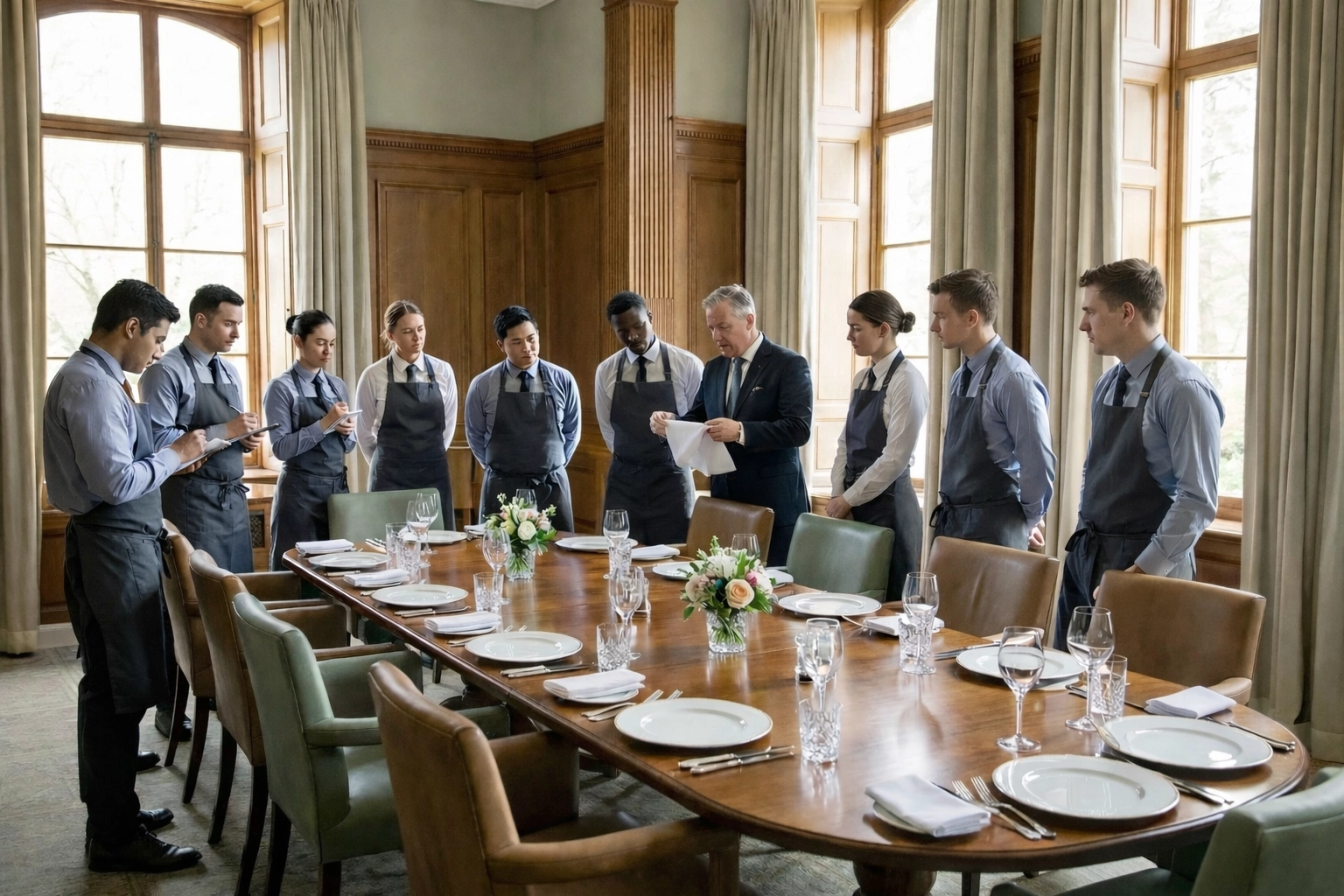
Menu engineering plays a supporting role in both approaches. Traditional service excellence benefits from streamlined menus that staff can execute consistently, while experience programming often requires flexible offerings that can accommodate themed events and seasonal programming.
Technology integration enhances both strategies. Point-of-sale systems that track guest preferences support personalized service delivery, while reservation platforms that accommodate experience bookings streamline operations and improve guest communication.
The Profitability Equation: Making the Numbers Work
The financial case for combining approaches becomes clear when examining profit margin optimization. Experience programming generates higher per-guest revenue with improved cost predictability, while service excellence drives the frequency and loyalty that sustains long-term growth.
This combination addresses the two primary profit challenges facing restaurants: thin margins and customer acquisition costs. Experience programming improves margins through premium pricing and operational efficiency, while service excellence reduces acquisition costs through retention and referrals.
The timeline for return on investment differs between approaches. Traditional service excellence improvements often show results within months through improved retention and word-of-mouth referrals. Experience programming typically requires longer development periods but generates higher immediate transaction values once established.
Every establishment has the potential to implement both strategies effectively, regardless of concept or price point. The key lies in understanding how each approach aligns with guest expectations and operational capabilities, then creating programming that enhances rather than complicates the core dining experience.
Success in today's hospitality environment requires moving beyond the false choice between experience and service. The most profitable path forward combines the revenue generation potential of experience-centric dining with the retention power of traditional service excellence, creating sustainable competitive advantages that drive long-term profitability growth.
For restaurants ready to explore how integrated service and experience strategies can enhance profitability, Soderblom Consulting provides the expertise and guidance needed to implement these approaches successfully.