When the economy tightens, restaurant owners face a familiar crossroads: cut costs aggressively and hope for the best, or double down on the customers who already love what you do. We believe the answer is clear: your existing customers are your most valuable asset, and nurturing their loyalty delivers measurable returns that far outpace the cost of chasing new guests.
The numbers back this up. Existing customers spend roughly 67% more than new ones, and retaining them costs about ten times less than acquiring fresh faces. In a tight economy, that math becomes impossible to ignore.
This guide walks you through practical, proven strategies to build deeper customer loyalty without eroding your margins. Whether you run a neighborhood bistro or a multi-location bar group, these approaches will help you weather economic uncertainty while strengthening relationships that last.
Why Customer Loyalty Matters More During Economic Downturns
During prosperous times, restaurants can afford to cast a wide net. Marketing budgets flow freely, and the occasional missed connection with a guest doesn't sting as much. But when discretionary spending contracts, every guest who walks through your door carries more weight.
Well-designed loyalty programs can increase both spending and visit frequency by 18-30%. That's not a marginal improvement: it's the difference between surviving a downturn and thriving through it.
We believe that every establishment has the potential to create environments where guests feel genuinely valued. The restaurants that master this don't just retain customers; they transform them into advocates who bring friends, family, and colleagues along for the ride.
Focus on Your Most Valuable Customers First
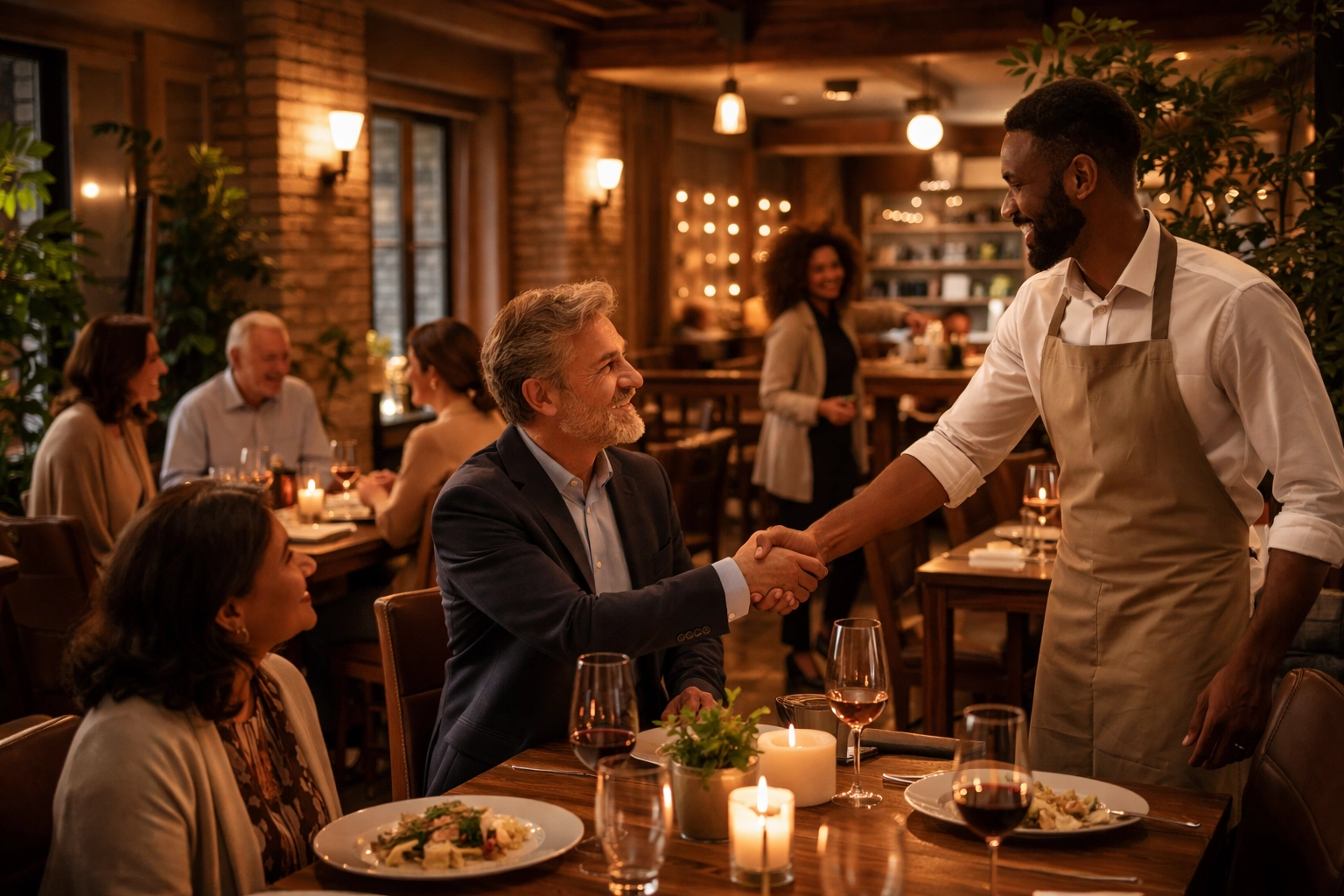
Not all customers contribute equally to your bottom line. Research consistently shows that the top 10% of loyalty program members account for roughly 50% of program revenues. These are your champions: the regulars who visit weekly, order generously, and recommend you without being asked.
Before you spread resources thin trying to reach everyone, identify these high-value guests and ensure they feel exceptional. This doesn't require massive spending. It requires attention and intention.
Practical steps to prioritize your best customers:
- Review your POS data to identify guests with the highest visit frequency and average ticket size
- Create a simple tier system that recognizes and rewards consistent patronage
- Train your staff to recognize regulars by name and preferences
- Offer exclusive early access to new menu items or special events
When your most loyal guests feel seen and appreciated, they become remarkably resilient to economic pressures. They'll choose your restaurant over competitors not because of price, but because of relationship.
Build Emotional Connections Beyond Discounts
Here's where many loyalty programs go wrong: they rely too heavily on discounts. While a 10% off coupon might drive a single visit, it doesn't build lasting loyalty. Worse, discount-heavy programs can erode profitability precisely when you need margins most.
We believe that creating environments where guests feel emotionally connected produces far stronger results than transactional perks. Small gestures, delivered consistently, build bonds that discounts simply cannot replicate.
Ways to build emotional loyalty:
- Extend expiration dates on earned rewards during difficult economic periods
- Acknowledge milestones like birthdays, anniversaries, or a guest's 50th visit
- Surprise loyal customers with unexpected perks: a complimentary appetizer, a personalized note from the chef
- Allow members to maintain their status levels longer if visit frequency temporarily drops

Lead with empathy in your messaging. Acknowledge that times are tough. When customers see that you understand their situation and still value their presence, they reciprocate with loyalty that survives economic cycles.
Redesign Your Loyalty Structure for Engagement
Traditional punch cards and simple points-for-dollars programs feel dated in 2026. The most effective loyalty programs now incorporate gamification, tiered memberships, and flexible reward options that encourage specific behaviors beyond just spending.
Consider restructuring your program around visit frequency rather than spending amounts. This subtle shift encourages guests to come back more often, even if individual tickets are smaller. Over time, frequency builds habit, and habit builds loyalty.
Modern loyalty structure ideas:
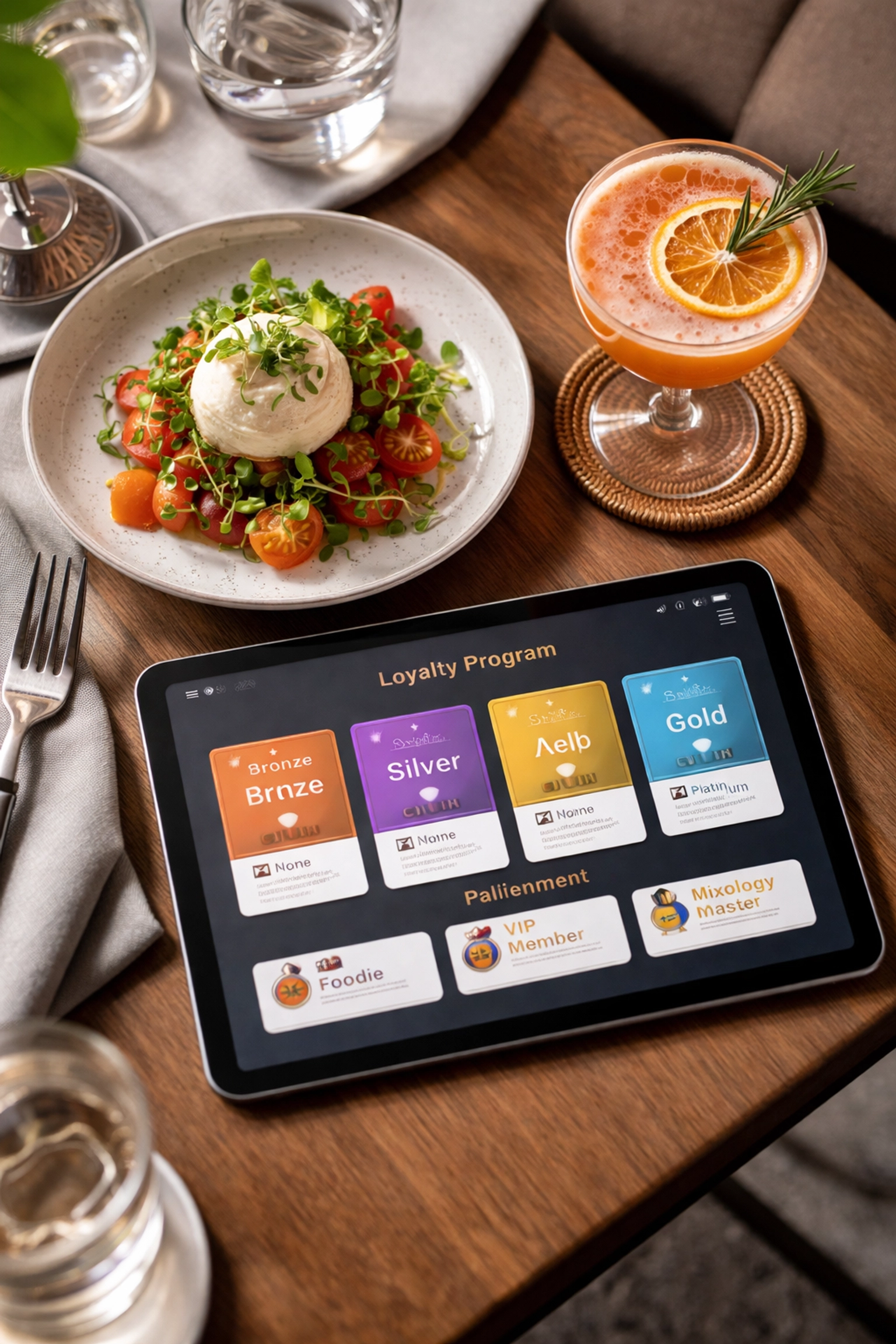
- Tiered memberships that inspire customers to reach higher ranks (Silver, Gold, Platinum)
- Challenges and achievements that reward trying new menu items or visiting during slower periods
- Banked rewards (for example, $5 off after accumulating $100 in purchases)
- Flexible redemption options including merchandise, charitable donations, or exclusive experiences
- Subscription tiers offering monthly perks for a small recurring fee
The key is making participation feel rewarding and even fun, not like a chore. When guests actively engage with your program: checking their status, working toward the next tier: they develop a sense of investment that transcends any single meal.
Leverage Customer Data to Personalize Everything
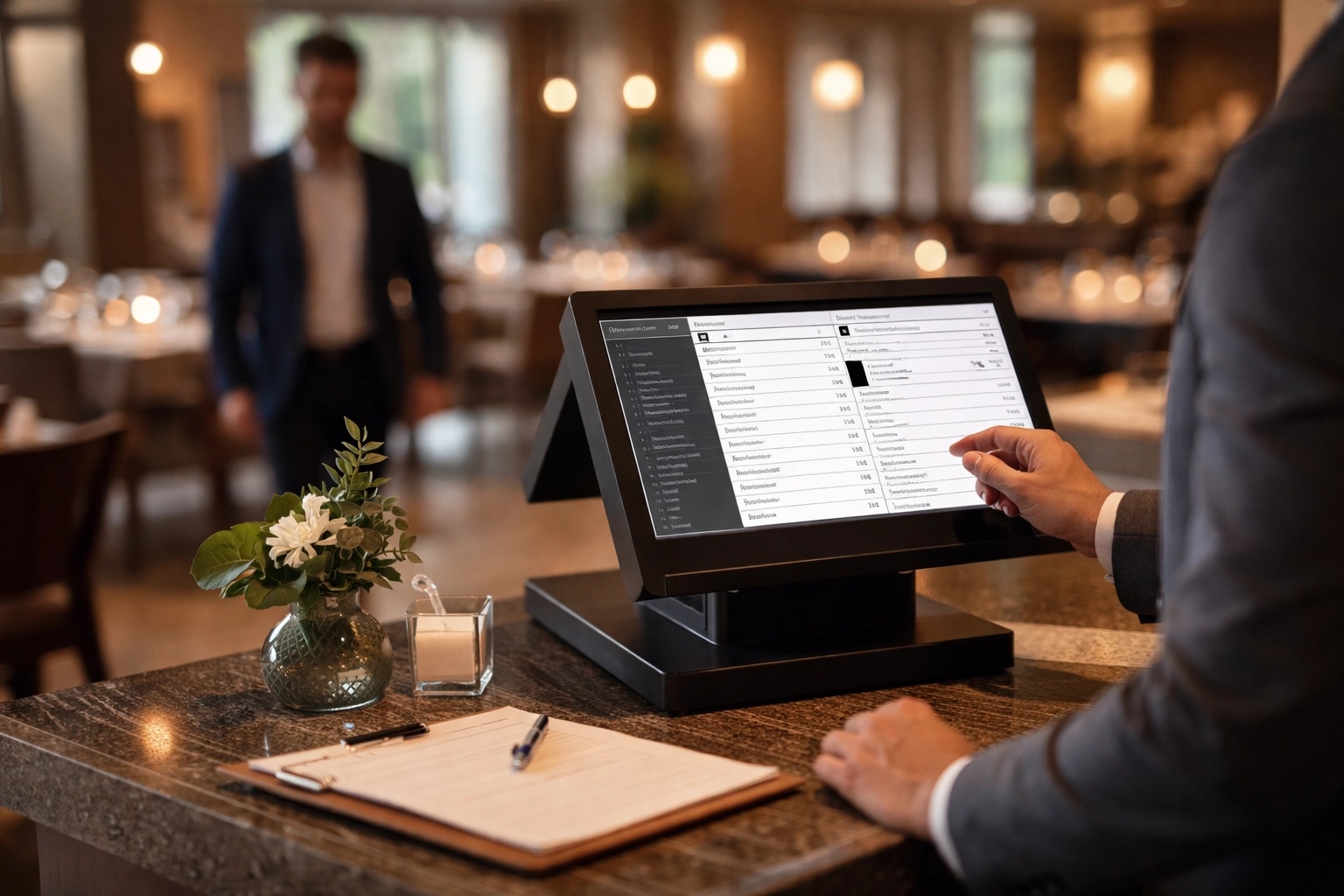
Your POS system contains a goldmine of information about guest preferences, visit patterns, and spending habits. Using this data strategically transforms generic loyalty programs into personalized experiences that feel genuinely relevant.
AI-enhanced customer segmentation allows you to deliver tailored communications and rewards based on individual purchase history. The guest who always orders the salmon shouldn't receive the same promotions as the one who exclusively orders from your cocktail menu.
Smart ways to use customer data:
- Segment your email list based on visit frequency, average ticket, and menu preferences
- Send personalized "we miss you" offers to guests who haven't visited in their typical timeframe
- Recommend new menu items based on past ordering patterns
- Identify guests who might be interested in private events, catering, or gift cards based on behavior
This data-driven approach ensures your loyalty proposition resonates with each customer segment. Generic mass communications feel impersonal; targeted, relevant outreach feels like genuine attention.
For restaurants looking to optimize their technology stack and capture better customer data, our POS systems consultation can help identify solutions that support robust loyalty tracking.
Encourage Active Redemption
Here's a counterintuitive insight: members who actively redeem their rewards spend 25% more than enrolled but inactive members. Many restaurant owners hoard their loyalty benefits, making redemption difficult in hopes of reducing costs. This approach backfires.
When customers redeem points or rewards, they experience emotional satisfaction. That positive feeling reinforces their connection to your brand and motivates future visits. In financially tight times, this sense of getting value becomes especially meaningful.
Make redemption easy and satisfying:
- Remind members when they're close to earning a reward
- Celebrate redemptions with staff acknowledgment
- Offer multiple redemption thresholds so guests can choose small frequent rewards or save for bigger ones
- Never let points expire without generous warning and extension options
Keep Your Program Dynamic and Responsive
The most effective loyalty programs evolve based on customer feedback and changing conditions. What worked during economic prosperity may need adjustment during a downturn.
Actively solicit input from your guests through brief surveys, comment cards, or casual conversations. Pay attention to which rewards get redeemed most frequently and which languish unused. Then modify your program accordingly: introducing new perks, adjusting point values, or adding features that address emerging needs.
This responsiveness demonstrates that you understand and care about customer needs. It also creates a competitive advantage that static programs cannot match.
The Long-Term View
Economic downturns are temporary. The customer relationships you build during difficult times last far longer. Guests who feel genuinely valued when times are tough become fierce advocates when prosperity returns.
We believe that years of experience in hospitality consulting have shown us one consistent truth: restaurants that invest in customer loyalty during challenging periods emerge stronger than those that retreat into cost-cutting mode.
Building loyalty isn't about gimmicks or expensive programs. It's about creating environments where guests feel recognized, appreciated, and eager to return. The strategies outlined here provide a roadmap, but the execution depends on your commitment to treating every guest interaction as an opportunity to strengthen a relationship.
Ready to Build a Loyalty Strategy That Works?
If you're looking for guidance on implementing these strategies in your specific operation, we're here to help. Our team specializes in helping hospitality businesses create systems that not only attract but retain loyal customers through any economic climate.
Contact Soderblom Consulting LLC:
- Get in touch
- Explore our services
- Service Area: Nationwide
Your customers are waiting to be delighted. Let's make sure they have every reason to keep coming back.