Let's be honest, running a profitable bar is harder than most people think. You're juggling staff schedules, inventory counts, customer expectations, and a thousand other moving pieces. And somewhere in all that chaos, you're supposed to be making money.
Here's the thing: the "secrets" to bar profitability aren't really secrets at all. They're strategies that successful operators use consistently, while everyone else chases shiny objects and wonders why their margins are razor-thin.
We believe that every bar and restaurant has the potential to dramatically improve profitability without reinventing the wheel. It comes down to understanding where your money is actually going, and plugging the leaks before they drain you dry.
The Real Numbers You Need to Know
Before we dive into strategies, let's talk benchmarks. If you don't know where you stand, you can't know where you're going.
Net profit margins for most bars fall between 10-20%. That's the money you actually keep after all expenses. Gross profit margins on beverages typically run 40-70%, which sounds great until you factor in labor, rent, utilities, and the hundred other costs eating into that number.
The top performers? They're hitting net margins of 35-40%. That's not luck, that's disciplined execution of the fundamentals.
So what separates the 10% operators from the 35% operators? It's not a magic cocktail recipe or a secret supplier. It's attention to the details that most owners overlook.
The Inventory Black Hole (And How to Close It)
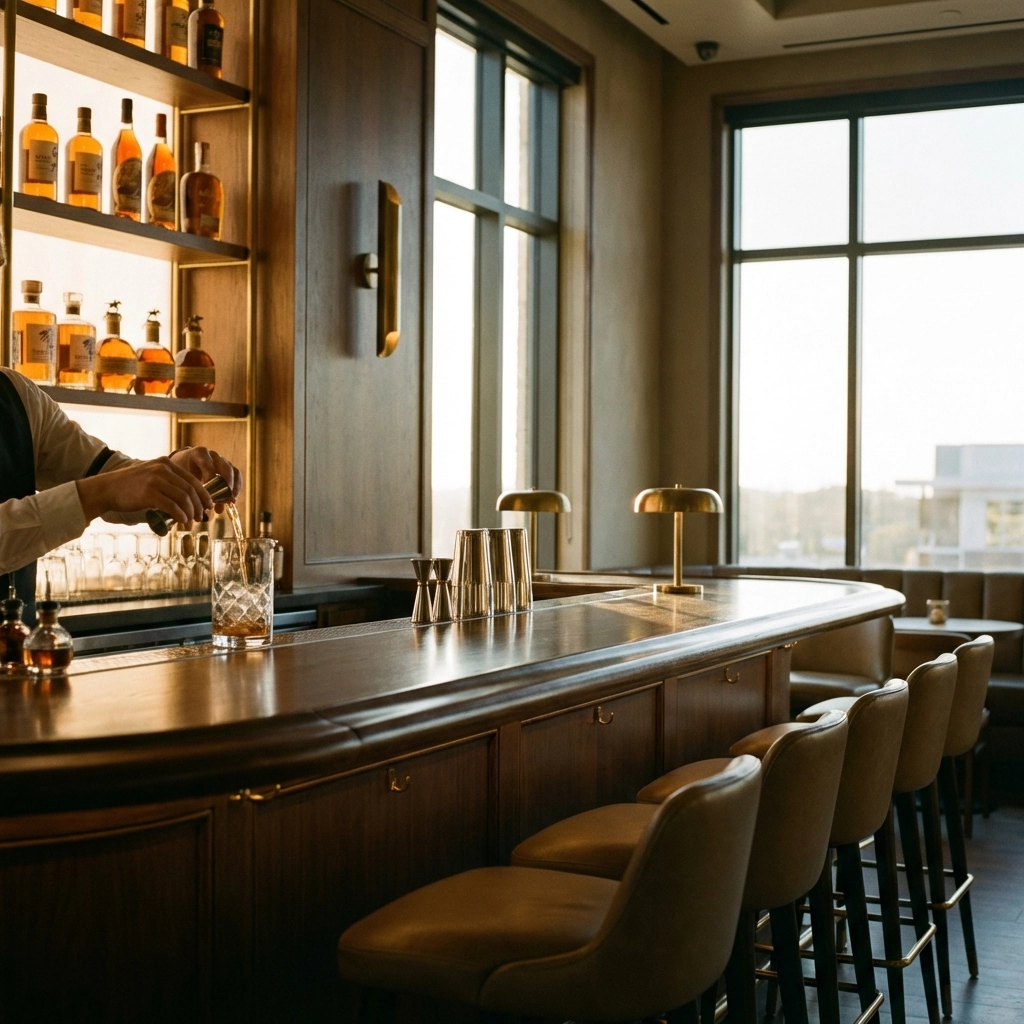
Here's a stat that should make you uncomfortable: variance in most bars runs 25-30%. That means for every $100 worth of alcohol you think you're selling, you're losing $25-30 to over-pours, broken bottles, comped drinks, and yes, theft.
Even more sobering? Theft accounts for 75% of inventory shrinkage in restaurants and bars. That's not strangers walking out with bottles. That's your own team.
We're not saying you should distrust your staff. But we are saying you need systems in place that remove temptation and create accountability.
What Actually Works
Weekly inventory counts are non-negotiable. Bi-weekly at minimum. If you're only counting monthly, you're finding out about problems way too late to fix them.
Standardized pour counts with jiggers or measured pourers eliminate guesswork. Yes, your veteran bartender thinks they can free-pour perfectly. They can't. Nobody can, consistently, across hundreds of drinks per shift.
POS integration with inventory lets you see exactly what was rung up versus what was poured. The variance report tells you where to look. If your current system doesn't offer this, it might be time for an upgrade: we can help you evaluate your options.
Menu Engineering: Your Highest-Leverage Move
Most bar owners set their menu once and forget about it. Maybe they add a seasonal cocktail here and there. That's leaving serious money on the table.
Menu engineering is the systematic analysis of which items generate the highest profits and the strategic promotion of those items. It's not about what you like or what's trendy: it's about what actually moves the needle on your bottom line.

The Four Categories
Every menu item falls into one of four buckets:
Stars: High profit, high popularity. These are your workhorses. Feature them prominently, train staff to recommend them, and protect their margins at all costs.
Puzzles: High profit, low popularity. These items make you money when they sell: they just don't sell often. The fix is usually better positioning, staff training, or slight modifications to increase appeal.
Plowhorses: Low profit, high popularity. Customers love them, but they're not helping your margins. Consider modest price increases, portion adjustments, or ingredient substitutions that don't compromise quality.
Dogs: Low profit, low popularity. Why are these still on your menu? Phase them out and simplify your operations.
This analysis should happen quarterly. Consumer preferences shift, ingredient costs change, and what was a Star six months ago might be a Plowhorse today.
The High-Margin Beverage Strategy
Not all drinks are created equal. Your job is to understand which categories generate the best returns: and subtly guide customers toward them.
Draft beer typically offers excellent margins because the cost per ounce is lower than bottles or cans. Plus, it creates perceived value for customers who associate draft with freshness.
House cocktails using well liquors and house-made mixers can hit 80%+ gross margins when designed thoughtfully. Create signature drinks that taste premium without premium ingredient costs.
Wine by the glass is a margin opportunity most bars underutilize. A bottle that costs you $12 wholesale can easily generate $40-50 in by-the-glass sales. The key is having enough volume to avoid waste from opened bottles going bad.
The Upsell That Doesn't Feel Sleazy
Your staff should be trained to recommend: not push. There's a difference.
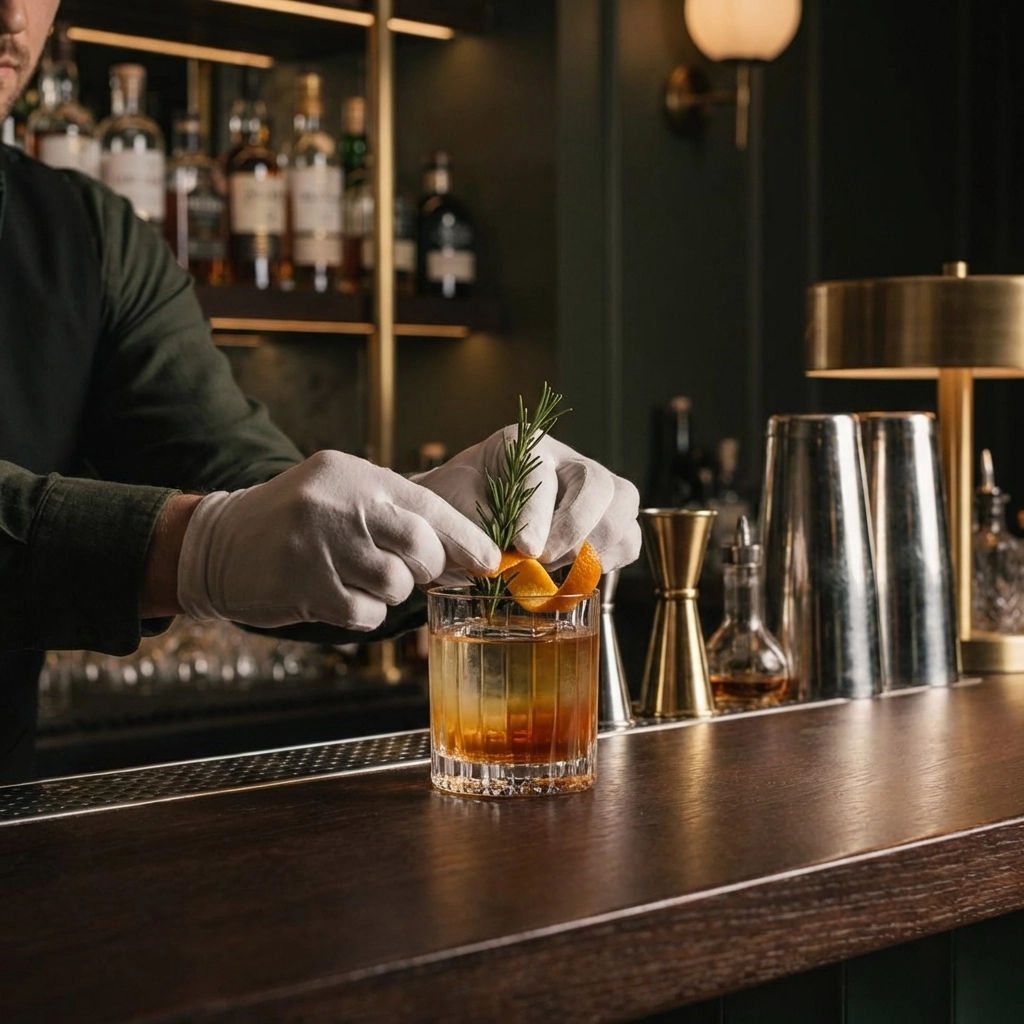
"Would you like Tito's instead of well vodka?" is a simple question that increases the ticket and often improves the customer experience. That's a win-win.
"Can I suggest our house margarita? We make our own lime cordial and it's one of our most popular drinks." That's not aggressive selling: that's helpful guidance.
The key is training your team to genuinely understand what makes certain drinks special. When they believe in the recommendation, it comes across as authentic rather than transactional.
If your staff training needs work, we've written about common mistakes and how to fix them.
Standardized Recipes: The Unsexy Profit Protector
We know: recipe cards aren't exciting. But they're one of the most effective tools for protecting your margins.
When every bartender makes a drink slightly differently, you have zero control over your costs. One person's "splash" of juice is another person's half-cup. One bartender's idea of a 2-ounce pour looks very different from another's.
Standardized recipes with exact measurements accomplish several things:
- Consistency for customers. The Old Fashioned tastes the same whether Sarah or Mike makes it.
- Predictable costs. You know exactly what each drink should cost to make.
- Easier inventory management. Your theoretical usage matches actual usage (or you know something's wrong).
- Training simplification. New bartenders have a clear reference instead of trying to replicate "how Lisa does it."
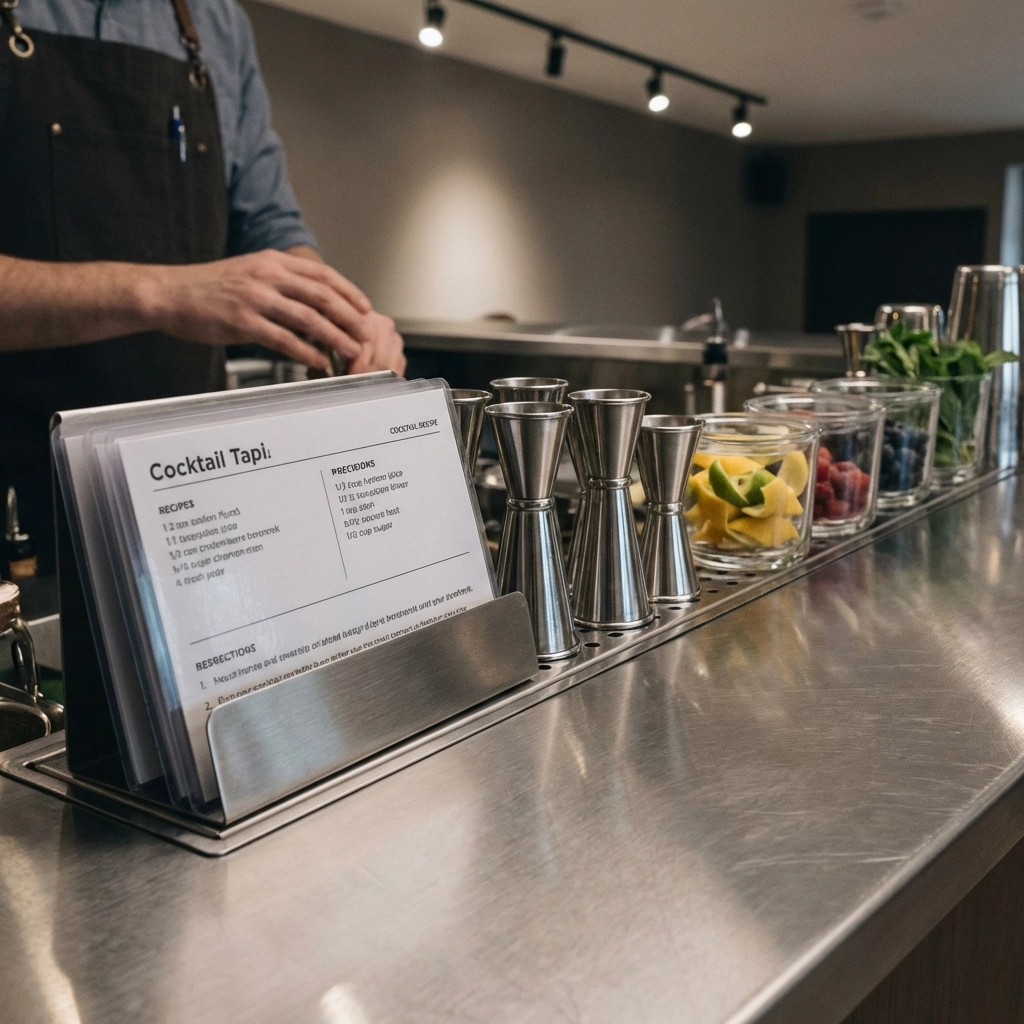
Build a recipe book. Laminate the cards. Make them accessible at every station. Test your team regularly.
Cost Control Beyond the Bar
Beverage costs get all the attention, but operational efficiency impacts your bottom line just as much.
Energy costs add up fast when you're running coolers, ice machines, dishwashers, and lighting for 12+ hours a day. LED lighting, Energy Star appliances, and smart thermostats pay for themselves faster than most owners realize.
Supplier negotiations should happen annually at minimum. Get competitive bids. Ask for volume discounts. Consolidate orders where possible to reduce delivery fees. Your current suppliers want to keep your business: use that leverage.
Labor optimization means having the right number of people at the right times. Over-staffing slow shifts kills margins. Under-staffing busy shifts kills customer experience and tips, which leads to turnover. Use your POS data to identify patterns and schedule accordingly.
The Bottom Line
A good ROI for bars ranges from 20-30%. Getting there isn't about discovering hidden secrets: it's about consistent execution of proven fundamentals.
Track your inventory weekly. Engineer your menu quarterly. Train your staff continuously. Control your costs relentlessly.
None of this is glamorous. But the operators who treat these basics as non-negotiables are the ones with healthy margins while everyone else wonders what they're missing.
We believe that every establishment has the potential to improve profitability through disciplined attention to these metrics. Years of experience in the hospitality industry have shown us that the difference between struggling and thriving often comes down to the fundamentals.
Ready to take a closer look at your operation? Reach out to our team: we'd love to help you find the opportunities hiding in plain sight.