The restaurant industry stands at a crossroads. Labor shortages persist, operational costs continue climbing, and customer expectations have never been higher. Yet we believe that automation doesn't mean sacrificing the warmth and hospitality that makes dining out special. The key is knowing which operations to automate: and which to leave firmly in human hands.
Through years of experience working with hospitality businesses nationwide, we've identified five specific restaurant operations where automation delivers measurable returns while freeing your team to focus on what they do best: creating memorable guest experiences.
1. Repetitive Kitchen Tasks: Let Robots Handle the Grunt Work
The back-of-house has always been physically demanding. Line cooks spend hours performing repetitive motions: slicing, dicing, frying, grilling: tasks that require precision but not necessarily human judgment for every single execution.
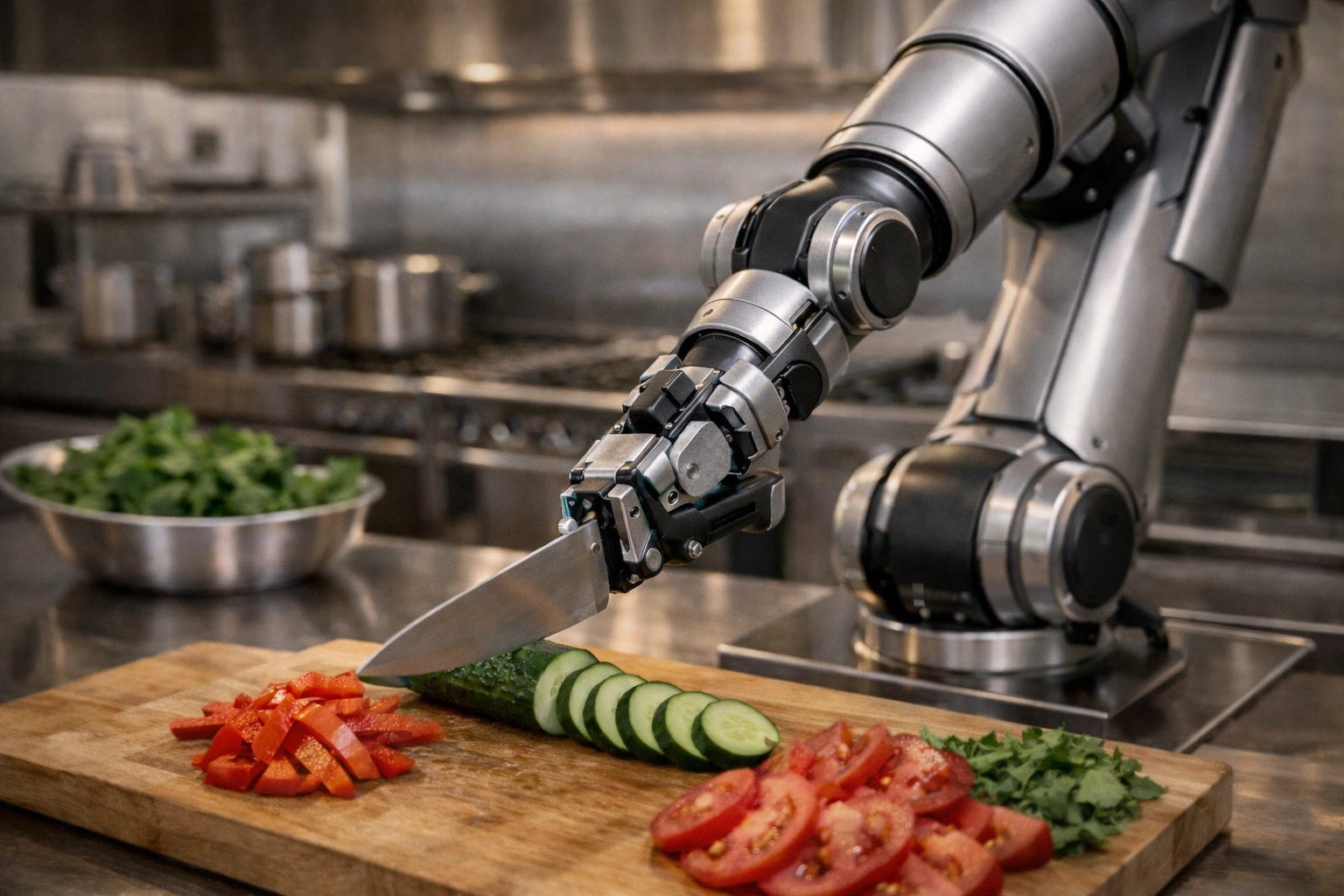
Robotic cooking assistants are now handling these standardized tasks with remarkable consistency. Major chains like Chipotle are testing "Autocado" technology that processes avocados for guacamole, while White Castle is rolling out Flippy kitchen robots across one-third of its locations to handle grilling and frying operations.
We believe that every establishment has the potential to benefit from this shift. These technologies don't replace chefs: they elevate them. When your culinary team isn't exhausted from repetitive physical labor, they can dedicate their energy to recipe development, quality control, menu innovation, and training newer staff members. The result is not only improved operational efficiency but retained culinary talent who feel valued for their expertise rather than worn down by monotonous tasks.
The investment in kitchen automation typically pays for itself through reduced food waste, improved portion consistency, and decreased worker's compensation claims from repetitive stress injuries.
2. Order Accuracy Verification: Catch Mistakes Before They Leave the Kitchen
Nothing damages customer loyalty faster than incorrect orders. During peak service hours, even experienced staff can miss details when juggling multiple tickets simultaneously. Human error is inevitable: but its impact on your bottom line doesn't have to be.
Computer vision systems connected to kitchen cameras now identify order assembly mismatches in real time, before dishes reach the customer. This technology acts as a digital quality control partner, scanning completed orders against ticket specifications and flagging discrepancies immediately.
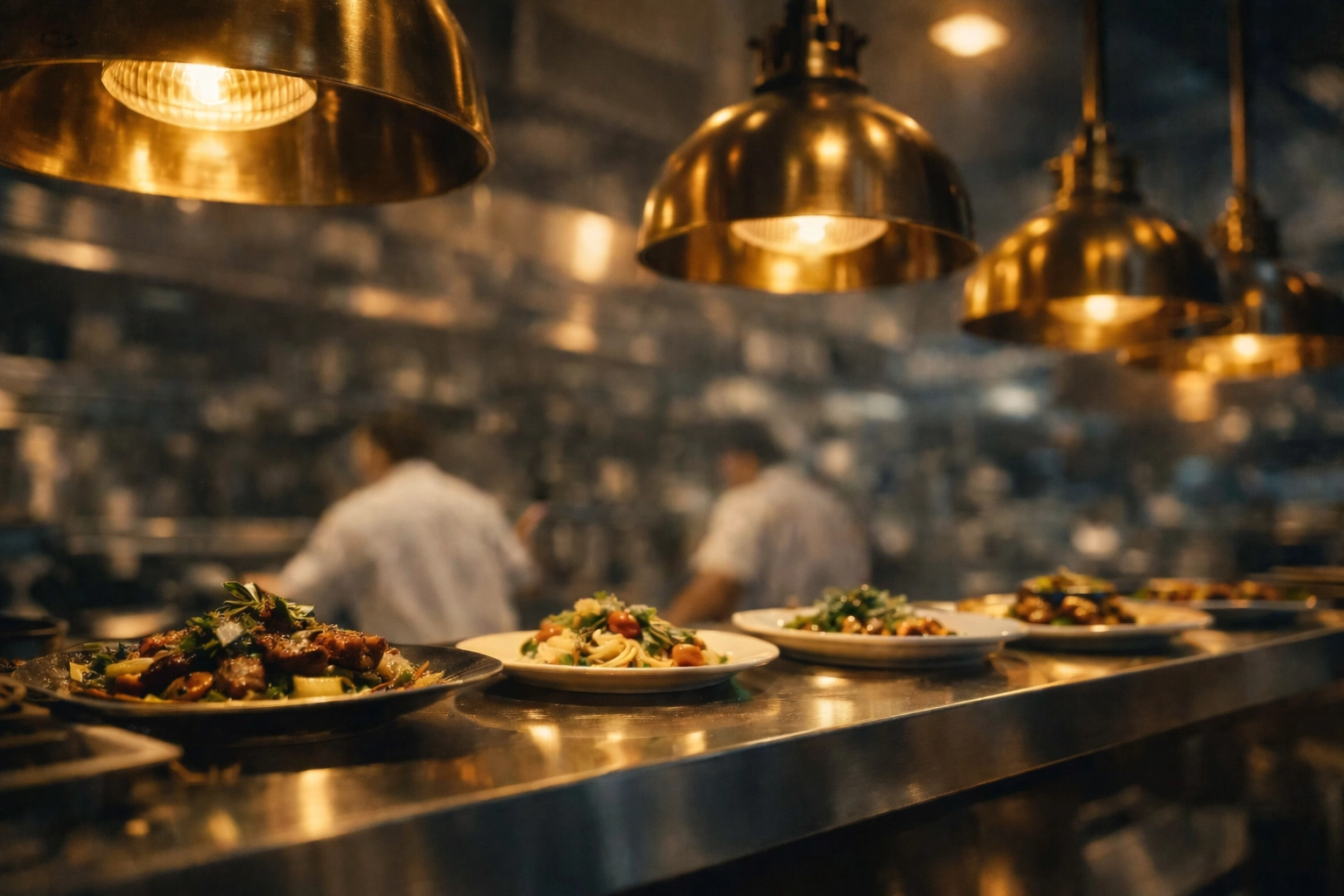
The beauty of this automation lies in its timing. Rather than discovering order errors through customer complaints: after the damage to reputation and revenue is done: your team catches and corrects issues within seconds. This protects both sales and loyalty without adding additional labor costs or slowing down service.
Your staff shifts from manual double-checking to handling exceptions and customer-facing problem-solving. They're freed to focus on the nuanced aspects of hospitality: reading guest needs, making recommendations, and building relationships that create return visits.
3. Financial Operations: Strategic Analysis Over Data Entry
Restaurant accounting involves countless hours of tedious data entry, invoice processing, and manual reconciliation. These tasks are necessary but represent some of the lowest-value uses of human intelligence in your operation.
AI-powered restaurant-specific financial tools now handle forecasting, bookkeeping, and real-time reporting across single or multiple locations. These systems automatically categorize expenses, flag unusual spending patterns, and generate insights that would take accountants days to compile manually.
We've seen this transformation create environments where financial professionals shift from transaction processors to strategic advisors. Instead of spending hours entering numbers, they're analyzing trends, identifying cost-saving opportunities, and providing actionable recommendations that directly impact profitability.
For multi-unit operators, centralized AI financial management becomes particularly powerful. You gain consistent visibility across all locations, can identify best practices to replicate, and spot problems before they compound: all without proportionally increasing your accounting staff.
4. Order Management and Coordination: Eliminate the Tablet Jungle
Walk into many restaurant kitchens today and you'll find a chaotic array of tablets: one for each delivery platform, plus separate screens for dine-in and takeout orders. During busy periods, orders get missed, timing becomes misaligned, and coordination breaks down.

Centralized order management systems synchronized with your POS eliminate this fragmentation. Every order: regardless of source: flows through a single interface that prioritizes, coordinates, and tracks each item from preparation through completion.
Digital kitchen display systems take this further by guiding staff through preparation steps in real time. New employees receive consistent training embedded in their workflow, improving execution quality while experienced team members maintain their rhythm without interruption.
The automation here isn't replacing kitchen judgment: it's removing the mental overhead of tracking multiple systems. Your staff focuses on cooking excellence and timing coordination rather than hunting for the next order across scattered tablets. The result is not only faster service but reduced stress and improved job satisfaction for kitchen teams working in high-pressure environments.
5. Delivery and Bussing: Logistics That Free Human Connection
Front-of-house staff spend significant time on tasks that, while necessary, don't leverage their people skills: delivering orders to tables, bussing dishes, and transporting items between kitchen and dining room.
Robots now handle these logistical repetitions reliably. From automated drive-thru delivery at McDonald's concepts to dining room service robots that transport food and clear tables, these systems allow human staff to concentrate on what customers actually value: engagement, problem-solving, and personalized attention.
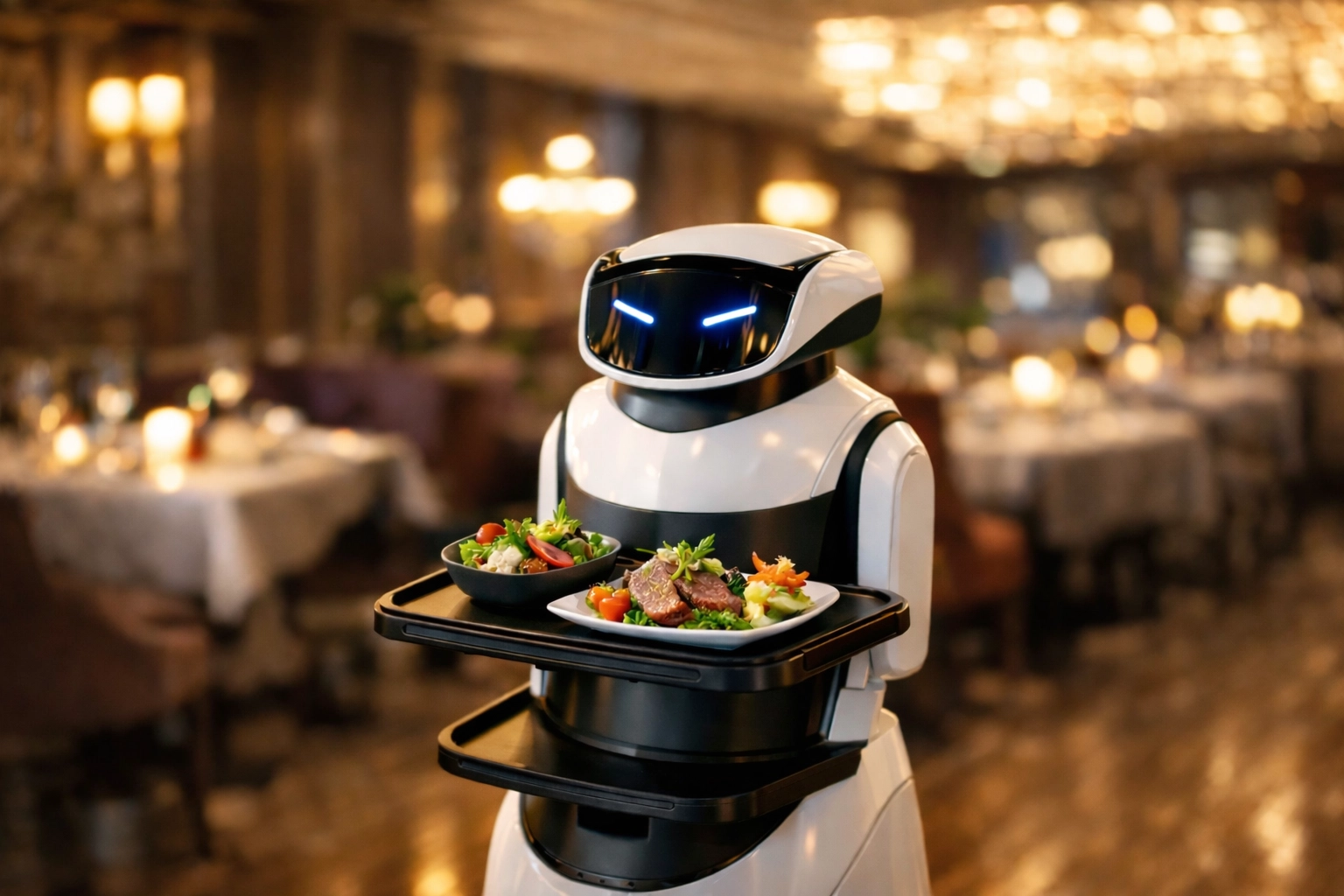
We believe this represents automation at its best: technology handling predictable physical tasks while humans focus on unpredictable human needs. Your servers can spend more time making recommendations based on guest preferences, handling special requests with creativity, and building the relationships that transform first-time visitors into regular customers.
The robots don't get tired, don't forget steps, and don't call in sick. Your human team members work alongside them, freed to use their emotional intelligence and hospitality instincts without the physical wear-and-tear of constant movement.
The Human Touch Remains Irreplaceable
Each of these five automation opportunities shares a common principle: technology should amplify human capability, not replace human connection.
The operations worth automating are repetitive, physically demanding, or data-intensive: exactly the tasks that drain your team's energy and morale. By automating these areas, you're not eliminating jobs. You're creating environments where staff can focus on judgment, creativity, problem-solving, and relationship-building: the irreplaceable human elements that define hospitality excellence.
Menu innovation requires human creativity. Handling an upset guest requires emotional intelligence. Training a new team member requires patience and mentorship. Recognizing a regular customer and remembering their preferences requires genuine care. These human capabilities can't be automated, and they're what ultimately determines whether your restaurant not only attracts but retains loyal customers.
Making Automation Work for Your Operation
The path to successful automation isn't about implementing every available technology. It's about strategically selecting the right tools for your specific operation, integrating them thoughtfully, and ensuring your team understands how automation makes their jobs better, not obsolete.
At Soderblom Consulting, we work with restaurant and hospitality operators to identify which automation investments will deliver the strongest returns for their unique circumstances. Through our comprehensive services, we help businesses evaluate technology options, plan implementation strategies, and train teams to work effectively alongside new systems.
The restaurant industry is evolving rapidly, and every establishment has the potential to benefit from strategic automation. The question isn't whether to automate: it's which operations to automate and how to implement those changes while preserving the hospitality that makes your business special.
If you're ready to explore how automation can strengthen your operation without sacrificing the human touch, contact us to discuss your specific needs and opportunities.
Soderblom Consulting LLC
Nationwide Restaurant & Hospitality Technology Consulting
soderblomconsulting.com