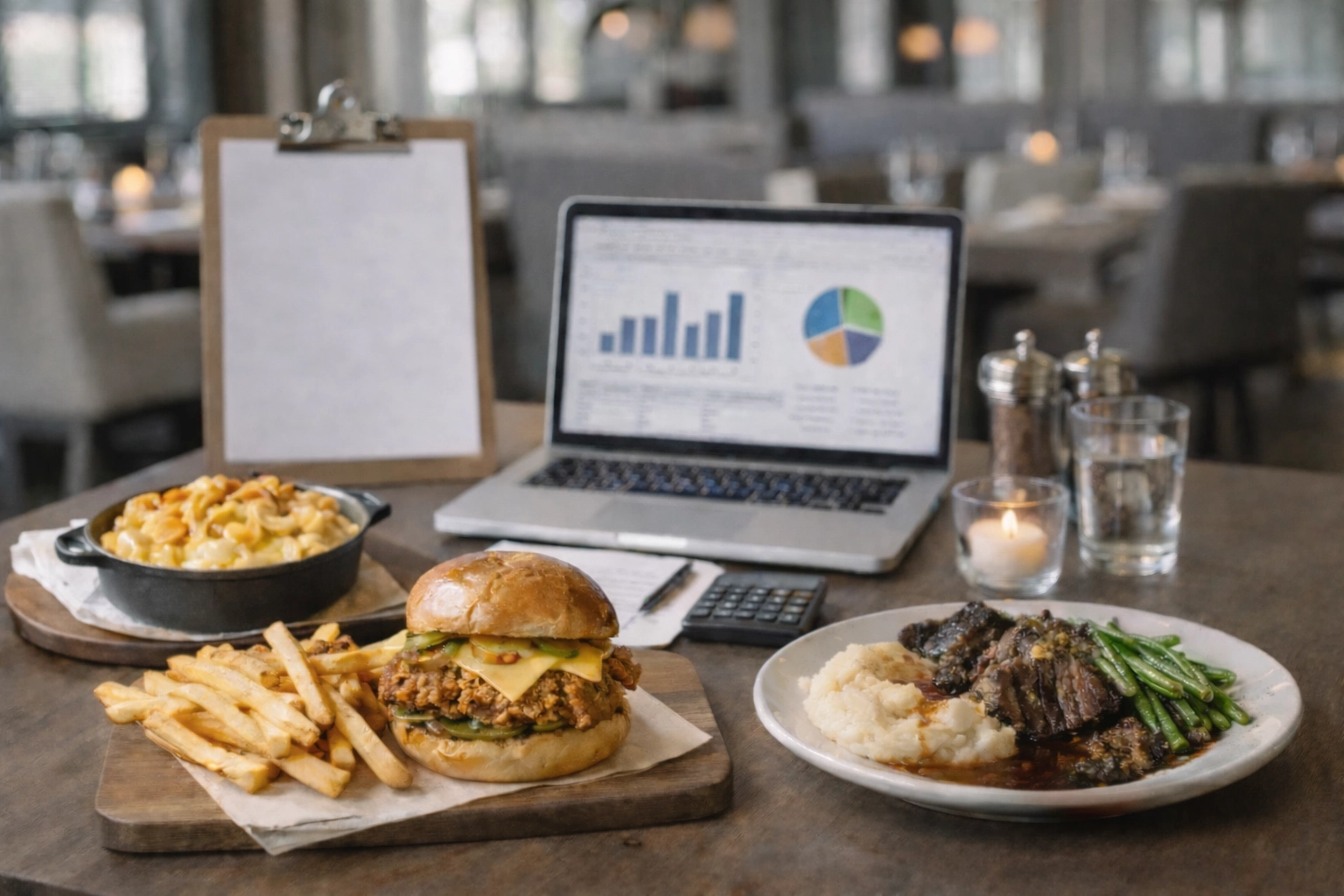
The restaurant landscape of 2026 has spoken clearly: comfort food is no longer just a trend: it's a fundamental consumer expectation. We believe that every establishment has the potential to capitalize on this shift, but only when nostalgia meets intentional menu engineering. The National Restaurant Association confirms what we've observed throughout years of consulting experience: diners are seeking flavor escapism, familiar dishes, and emotional connection through food. The question isn't whether to embrace comfort food, but rather how to build a menu framework that transforms those cravings into sustainable profit margins.
Understanding the 2026 Comfort Food Paradigm
The comfort food renaissance of 2026 differs significantly from previous iterations. Today's diners aren't simply looking for grandma's recipes served exactly as remembered. They're seeking elevated reimaginations that honor tradition while incorporating global influences and premium ingredients. This creates a unique opportunity for operators who understand how to balance familiarity with innovation.
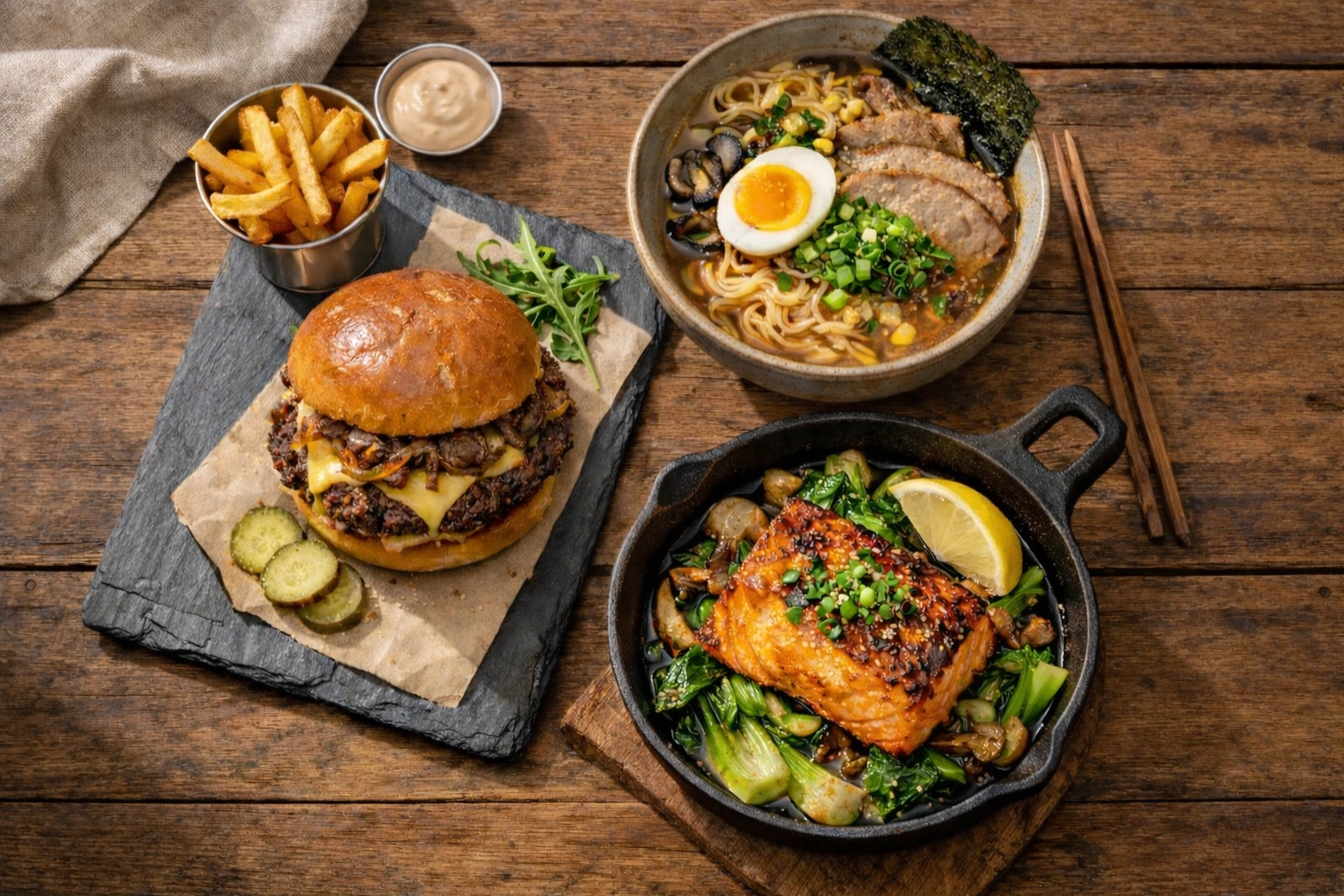
We've identified that successful comfort menus deliver what we call the "value-quality paradox": meals that feel indulgent and generous without commanding luxury prices. Consumers want joy and familiarity, but they're also acutely aware of their spending. This means your menu engineering must account for perceived value just as carefully as actual food costs.
Trending comfort dishes that dominate 2026 menus include creative variations on smash burgers, elevated instant noodle preparations with complex flavor profiles, Caribbean-inspired curry bowls, and proteins featuring Asian glazes like miso or gochujang. Each of these categories offers distinct opportunities for margin optimization when approached strategically.
The Profitability Framework: Five Essential Pillars
Pillar One: Strategic Portion Architecture
The small plate era is fading. Larger format entrées are reclaiming menu real estate because diners associate substantial portions with value. This shift creates a critical decision point for operators: how to increase portion size without proportionally increasing costs.
We recommend focusing on volume-building ingredients that cost less per ounce: grains, legumes, seasonal vegetables: while maintaining protein portions at optimal levels. A 12-ounce comfort bowl built around farro, roasted vegetables, and four ounces of miso-glazed salmon delivers satisfaction and perceived generosity while protecting margins better than an eight-ounce protein-forward plate.
The mathematical advantage becomes clear: if you can increase plate satisfaction by 30% while only increasing food cost by 15%, you've created room for premium pricing that customers willingly accept.
Pillar Two: Local-Global Ingredient Strategy
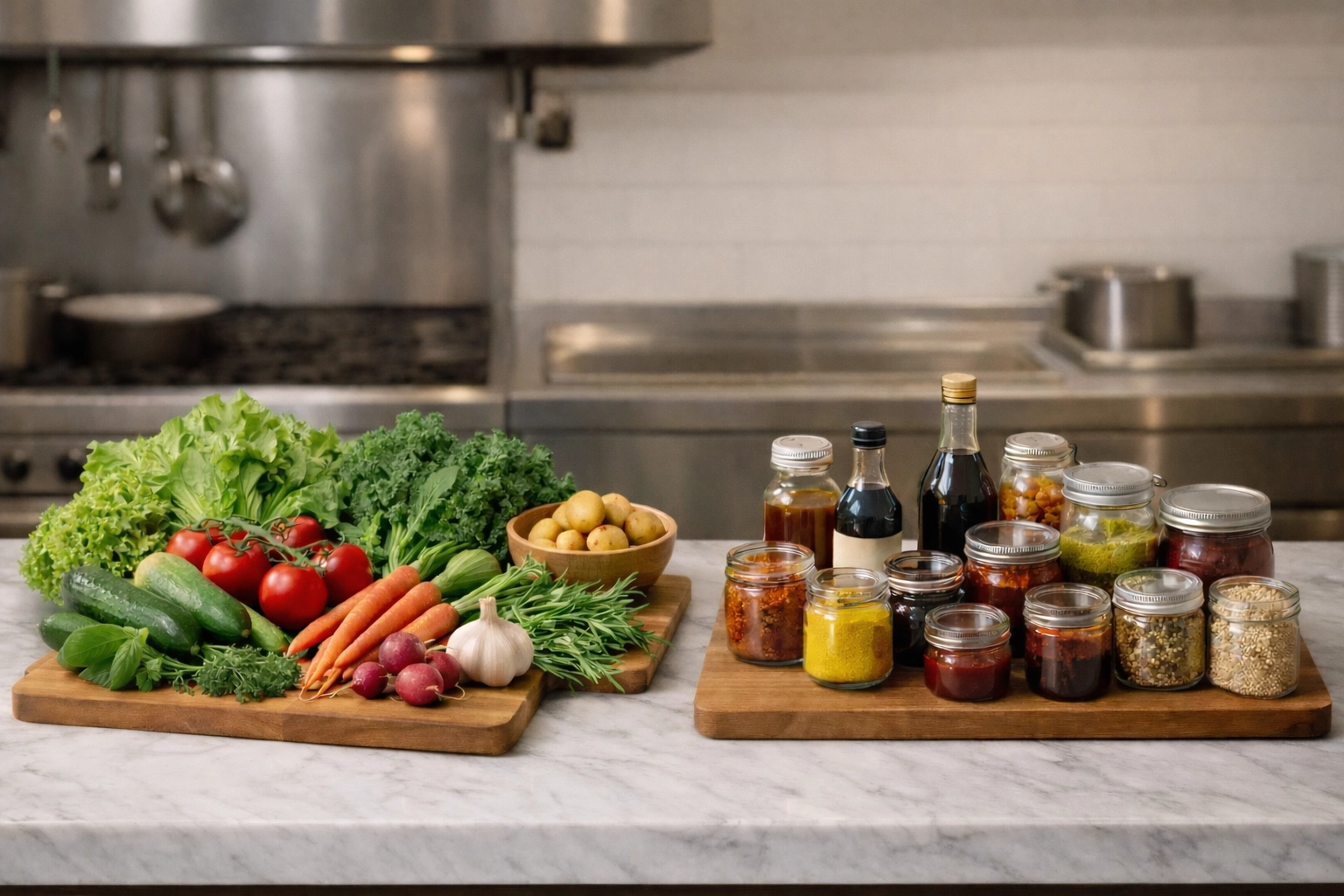
The most profitable comfort menus of 2026 employ what we call the "anchor-accent" ingredient model. Your anchor ingredients: proteins, base starches, primary vegetables: should be sourced locally whenever possible. This approach reduces supply chain costs, minimizes waste through shorter transit times, and provides the authenticity story that modern diners value.
Your accent ingredients: specialty sauces, exotic spices, fermented components: can be sourced globally to deliver the flavor complexity that elevates comfort food beyond the ordinary. A locally-sourced pork chop becomes a premium offering when finished with Korean gochugaru and house-made kimchi. Your food cost stays controlled because the expensive, imported elements are used sparingly as flavor amplifiers rather than primary components.
Pillar Three: Dual Menu Design for Dine-In and Takeout
Creating environments that serve both on-premise and off-premise diners requires acknowledging that not all comfort dishes travel equally well. We believe that menu engineering in 2026 must account for the 20-minute window between kitchen and customer's table at home.
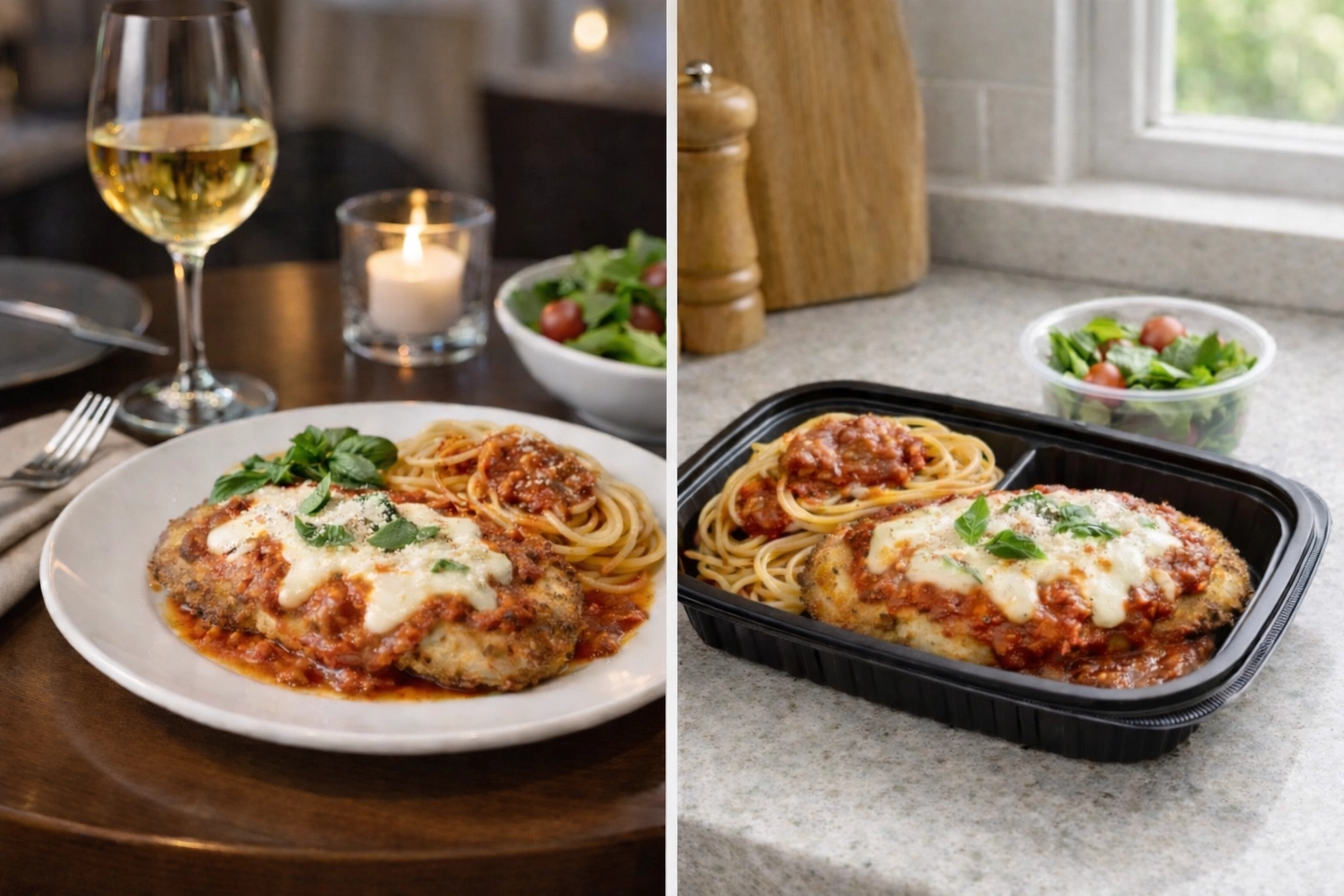
Your framework should include dishes specifically designed for transit: items that either hold their temperature and texture exceptionally well, or that benefit from customer assembly. Build-your-own bowls, sauce-on-the-side concepts, and dishes served at room temperature intentionally all perform better in takeout scenarios than delicate preparations requiring immediate consumption.
Consider developing a takeout-specific menu section that offers slightly smaller portions at lower price points but with strategic bundle pricing. A "comfort dinner for two" package at $42 generates higher total revenue than two individual $18 entrées while delivering perceived value to the customer.
Pillar Four: Operational Efficiency Through Bold Flavors
The secret to profitable comfort food in 2026 lies in achieving maximum flavor impact with minimum labor. Fermented and preserved ingredients: kimchi, pickled vegetables, miso pastes, preserved lemons: deliver complex, layered tastes that would traditionally require hours of cooking and multiple preparation steps.
Years of experience have shown us that incorporating these pre-developed flavors allows kitchen teams to produce sophisticated dishes with streamlined prep. A curry that might traditionally require slow-cooking multiple aromatics and spices can achieve comparable depth by incorporating a quality curry paste combined with fresh local vegetables and proteins. Your labor costs decrease while customer satisfaction increases.
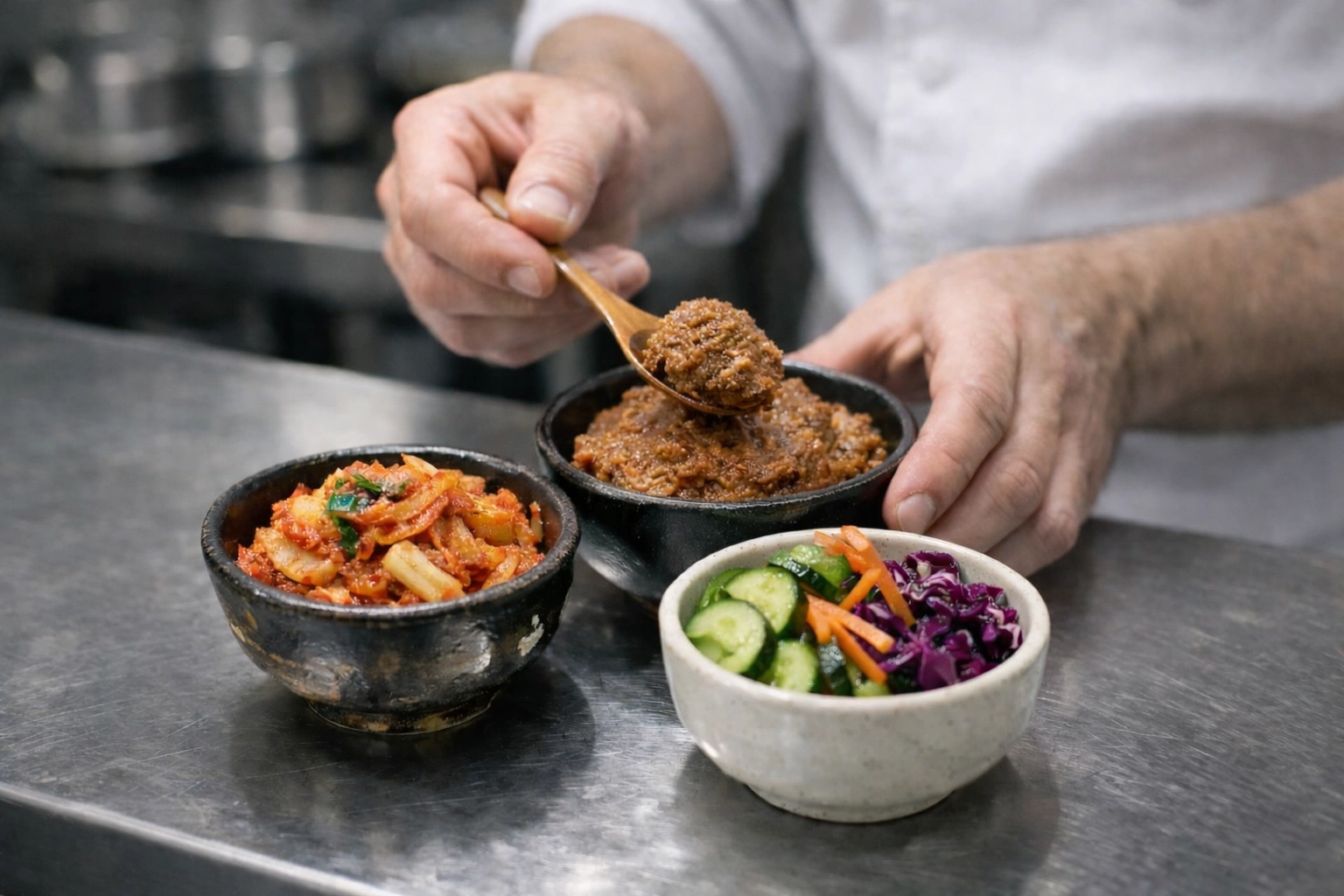
This approach also supports consistency across shifts and service periods. When complex flavors come from reliable, shelf-stable ingredients rather than technique-dependent preparations, you reduce the skill gap between your strongest and weakest cooks.
Pillar Five: The Value Tasting Menu Model
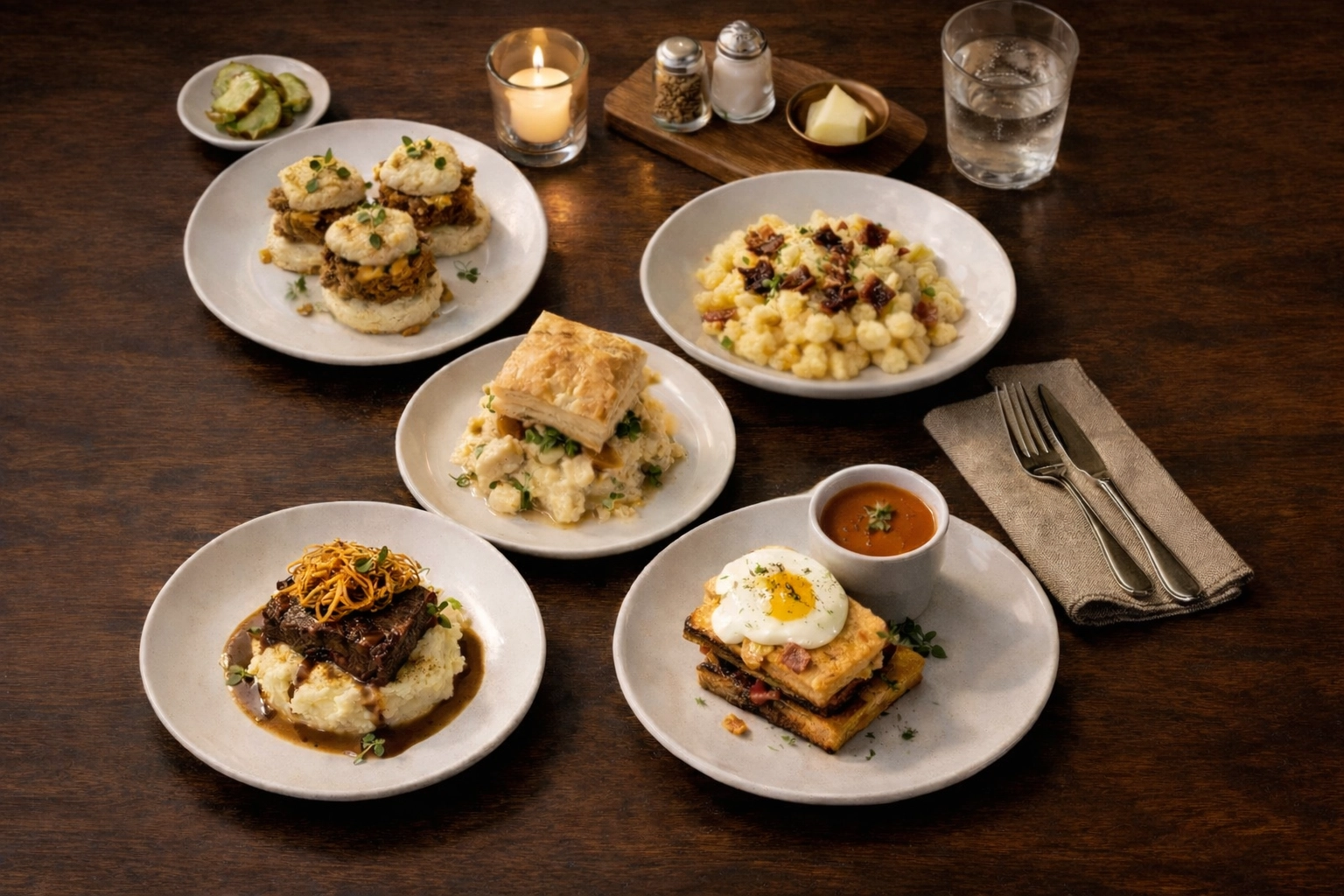
Traditional tasting menus position themselves as premium dining experiences with corresponding price points. The 2026 comfort food landscape has created space for what we call the "democratic tasting menu": multi-course experiences that feel generous and exploratory without commanding fine dining prices.
We've observed successful implementations priced between $35-$55 per person that feature 4-6 courses of comfort-driven dishes in moderate portions. The framework works because it addresses the psychological shift toward "recession brain" thinking while maintaining profitability through controlled portion sizes and efficient ingredient utilization across courses.
A comfort tasting menu allows you to showcase menu versatility, move slower-selling items by incorporating them in small-plate format, and achieve higher per-person averages than traditional ordering patterns would generate.
Implementation Timeline and Metrics
Transitioning to a profit-engineered comfort menu shouldn't happen overnight. We recommend a phased approach over 8-12 weeks, beginning with menu analysis to identify your current stars, workhorses, puzzles, and dogs. From there, develop 3-4 new comfort-forward offerings that align with this framework while retiring underperforming items.
Track not only food cost percentages but also labor cost per dish, speed of service, customer satisfaction scores, and repeat order frequency. The most profitable comfort dishes will excel across all these metrics, not just raw margin calculations.
Moving Forward
The 2026 comfort food opportunity represents more than a passing trend: it reflects fundamental shifts in how consumers relate to dining experiences. Every establishment has the potential to capture this demand profitably, but success requires moving beyond simply adding mac and cheese to your menu. True menu engineering creates environments where nostalgia, quality, value, and operational efficiency align to produce sustainable results that not only attract but retain loyal customers.
The framework outlined here provides the foundation for that transformation. Your specific execution will depend on your concept, customer base, and operational capabilities, but the principles remain constant: strategic portions, smart ingredient sourcing, format-appropriate design, efficiency-driven flavor development, and value-forward experiences.
Ready to engineer your menu for 2026 profitability?
Soderblom Consulting LLC specializes in creating menu frameworks that balance customer satisfaction with operational reality. Learn more about our services or contact us to discuss your menu optimization strategy.