We believe that every bar owner deserves access to the same predictive intelligence that major hospitality chains have used for years. The good news? In 2026, AI forecasting tools have become more accessible, more accurate, and more tailored to independent bar operations than ever before.
But with dozens of options flooding the market, choosing the right tool can feel overwhelming. Should you invest in a standalone forecasting platform? Upgrade your POS system? Go with an all-in-one bar management suite?
This guide breaks down exactly what to look for, what to avoid, and how to match the right AI forecasting solution to your specific operation.
Why AI Forecasting Matters for Bars in 2026
Gone are the days when experienced bartenders could simply "feel" how busy a Friday night would be. Customer behavior has become less predictable, supply chains remain volatile, and labor costs continue climbing. Guesswork is expensive.
AI forecasting tools analyze historical data, external factors (weather, local events, holidays), and real-time trends to predict:
- Customer traffic by hour, day, and season
- Inventory needs down to specific SKUs
- Optimal staffing levels to match demand
- Revenue projections for smarter budgeting
The bars that thrive in 2026 are the ones using data to make decisions: not gut instinct alone.
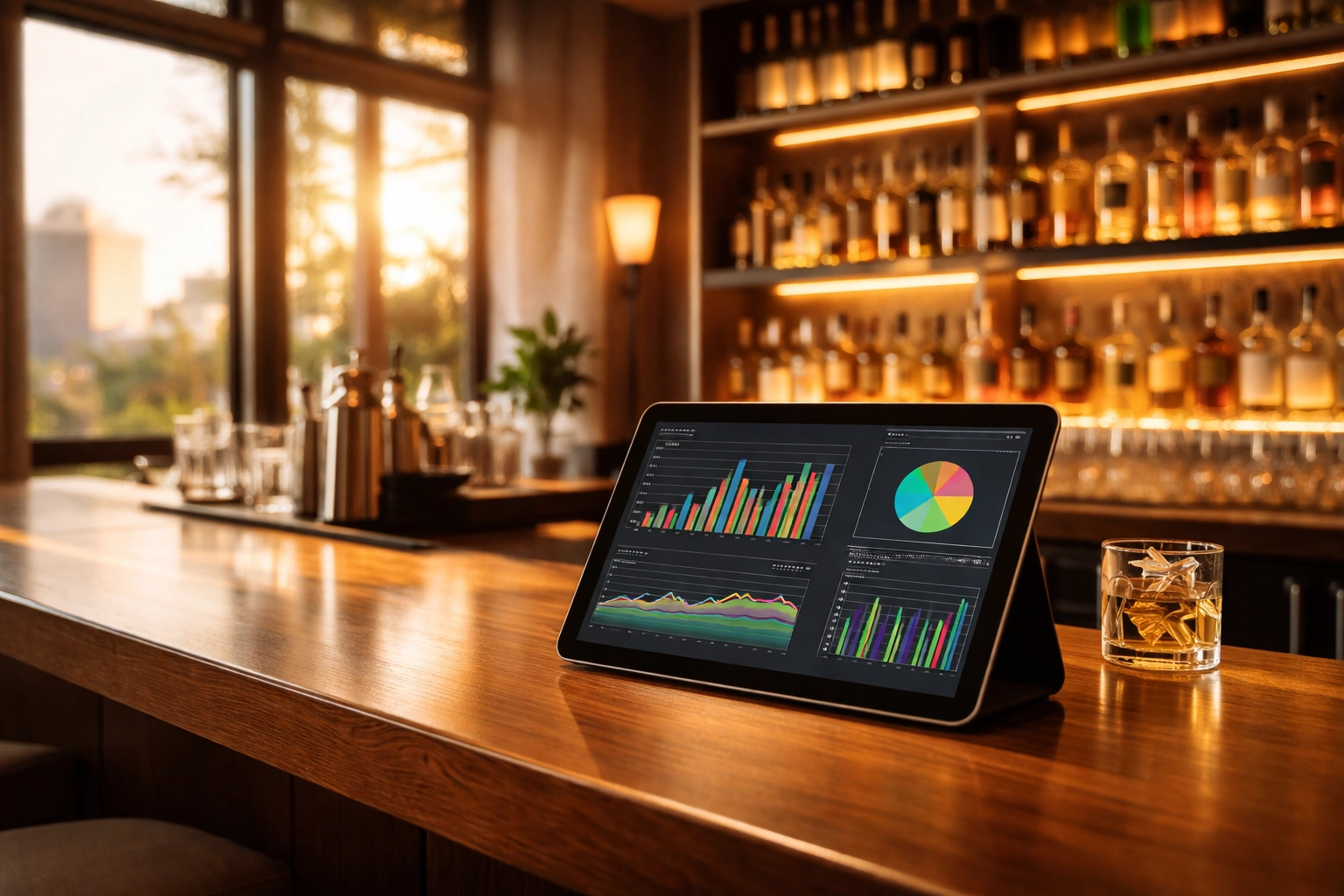
The Four Types of AI Forecasting Tools for Bars
Before comparing specific features, it helps to understand the different categories of forecasting solutions available to bar owners.
1. POS-Integrated Forecasting
Many modern point-of-sale systems now include built-in forecasting modules. These tools pull directly from your sales data, making setup relatively seamless.
Best for: Bars already using a robust POS system who want forecasting without adding another vendor.
Limitations: Forecasting accuracy depends heavily on how much historical data you have in that specific POS. Switching systems means starting over.
2. Standalone Demand Forecasting Platforms
These are dedicated AI tools that specialize in predicting customer traffic and sales patterns. They often integrate with multiple POS systems and can pull data from various sources.
Best for: Multi-location operators or bars wanting best-in-class forecasting regardless of their POS provider.
Limitations: Additional subscription cost and potential integration headaches.
3. Inventory Management Systems with Predictive Features
Some inventory platforms have evolved beyond simple stock tracking to include AI-driven demand predictions. These tools forecast how much product you'll need and when to reorder.
Best for: Bars struggling with over-ordering, waste, or stockouts.
Limitations: May not address staffing or broader revenue forecasting needs.
4. All-in-One Bar Management Suites
Comprehensive platforms that bundle forecasting with scheduling, inventory, reporting, and sometimes even accounting. These aim to be your single source of truth.
Best for: Operators who want everything in one dashboard and are willing to commit to a single ecosystem.
Limitations: Jack-of-all-trades tools sometimes lack depth in specific areas. Vendor lock-in can be a concern.
Key Features to Evaluate
Regardless of which category appeals to you, certain features separate genuinely useful AI forecasting tools from marketing fluff.
Accuracy and Learning Capability
The whole point of AI is that it gets smarter over time. Ask vendors:
- How long before the system reaches peak accuracy?
- Does it account for anomalies (one-time events, weather, holidays)?
- Can it distinguish between correlation and causation in your data?
We believe that any forecasting tool worth its subscription should demonstrate measurable accuracy improvements within 90 days of implementation.
Integration Depth
A forecasting tool that doesn't talk to your POS, scheduling software, or inventory system creates more work, not less. Look for:
- Native integrations with your existing tech stack
- Open API access for custom connections
- Real-time data syncing (not just daily batch updates)
Granularity of Predictions
"You'll be busy Saturday" isn't helpful. You need predictions broken down by:
- Hour or even 30-minute increments
- Specific product categories or menu items
- Revenue versus covers (customer count)
The more granular the forecast, the more actionable your decisions become.
Ease of Use
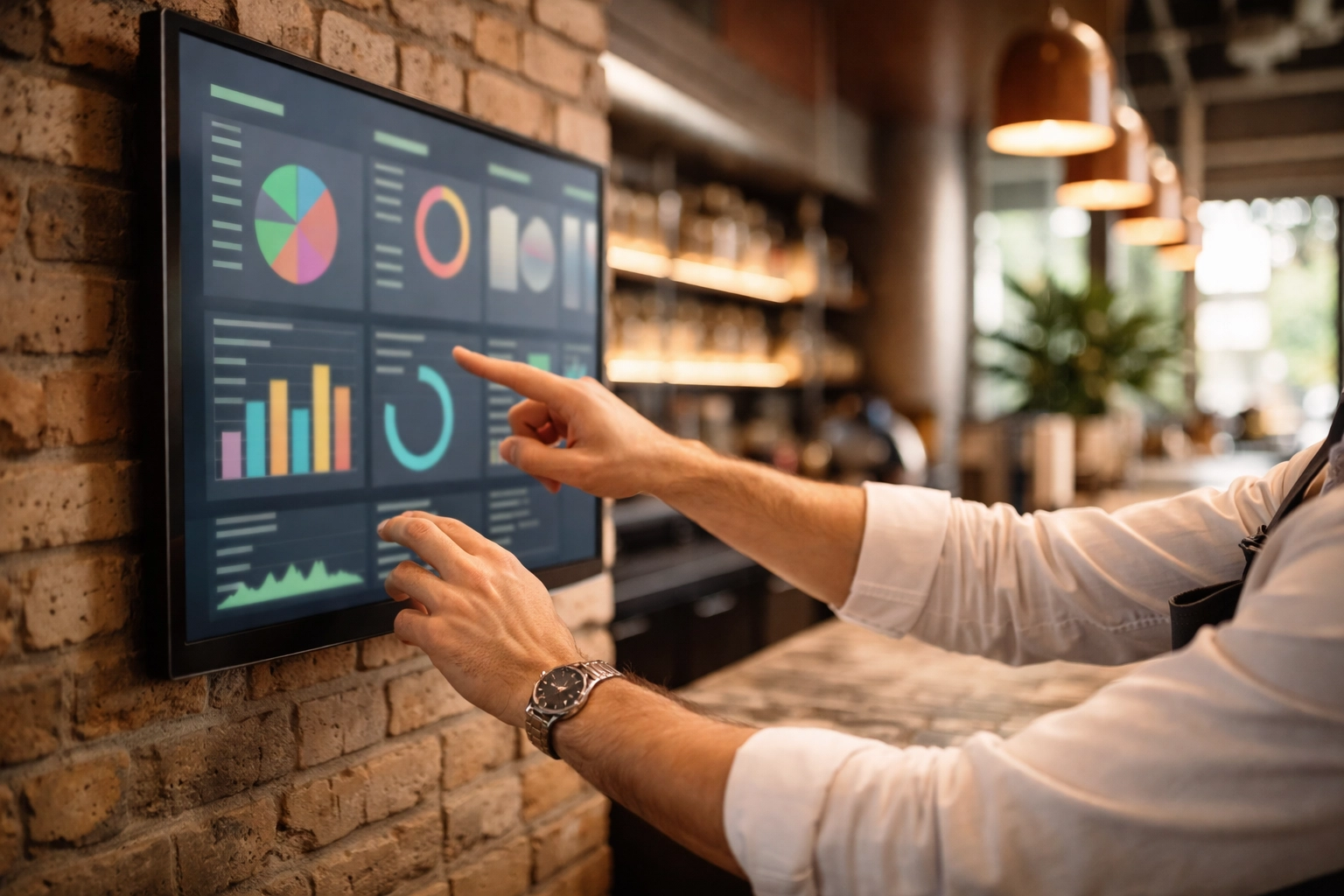
Sophisticated AI means nothing if your managers can't interpret the output. The best tools present forecasts in clear, visual dashboards that don't require a data science degree to understand.
During demos, ask to see:
- The daily/weekly forecast view
- How alerts and recommendations are surfaced
- Mobile accessibility for on-the-go decisions
Actionable Recommendations
Forecasting data alone isn't enough. The most valuable tools translate predictions into specific actions:
- "Schedule two additional bartenders Friday 7-11 PM"
- "Reorder vodka by Wednesday to avoid stockout"
- "Projected revenue for next week: $42,000 (up 8% from last year)"
Questions to Ask Before You Buy
When evaluating vendors, these questions will help you separate genuine capability from sales pitches:
- What data sources does your AI analyze? (Sales history, weather, events, social media, etc.)
- How do you handle seasonality and one-time anomalies?
- What's the typical accuracy rate after 90 days? 180 days?
- Can I see case studies from bars similar to mine?
- What happens to my data if I cancel?
- Is there a minimum contract length?
- What does onboarding and training look like?

Red Flags to Watch For
Not every AI forecasting tool delivers on its promises. Be cautious if you encounter:
- Vague accuracy claims without supporting data or methodology
- No hospitality-specific references: enterprise sales forecasting tools are fundamentally different from bar operations tools
- Long-term contracts with no trial period or pilot program
- Hidden costs for integrations, training, or additional users
- Overpromising automation: AI assists decisions, it doesn't replace experienced operators
Making the Final Decision
Choosing the right AI forecasting tool comes down to matching the solution to your operation's specific needs and growth stage.
If you're a single-location bar with a solid POS system, start by exploring the forecasting features already available in your current platform. Upgrading tiers or adding modules is often more cost-effective than introducing new vendors.
If you're scaling to multiple locations, invest in a standalone forecasting platform or all-in-one suite that can grow with you. Consistency across locations matters more than incremental cost savings.
If inventory waste is your primary pain point, prioritize inventory management systems with strong predictive capabilities, even if their broader forecasting features are less robust.
If labor costs are eating your margins, focus on tools that excel at demand-based scheduling recommendations.
How Consulting Support Accelerates Results
We believe that technology alone doesn't transform operations: implementation does. The bars seeing the fastest ROI from AI forecasting tools are the ones combining technology with expert guidance.
At Soderblom Consulting, we help bar owners evaluate, implement, and optimize forecasting solutions tailored to their specific operations. From vendor selection to staff training to ongoing performance review, years of hospitality experience ensure you get results, not just software.
Interested in exploring whether AI forecasting is right for your bar? Reach out to our team for a no-pressure conversation about your options.
Soderblom Consulting LLC
Creating environments that not only attract but retain loyal customers.
- Website: soderblomconsulting.com
- Services: View Our Services
- Reach: Nationwide