We believe that third-party delivery platforms have fundamentally changed the relationship between restaurants and their customers: and not always for the better. While DoorDash and similar services offer convenience, they come with commission rates that eat into already thin margins and, more critically, they create a barrier between you and the guests you serve.
Every establishment has the potential to build direct, lasting relationships with customers that drive repeat visits and genuine loyalty. The key lies in creating experiences that guests cannot replicate through an app on their phone.
The True Cost of Delivery Dependency
Before exploring solutions, it's important to understand what reliance on third-party platforms actually costs. Beyond the 15-30% commission fees, these services own your customer data. You cannot build a loyalty program, send targeted promotions, or even know who your best customers are when they order through someone else's platform.
Years of experience working with bar and restaurant operators have shown us that the most successful establishments treat delivery as one channel among many: not the primary relationship with their customer base.
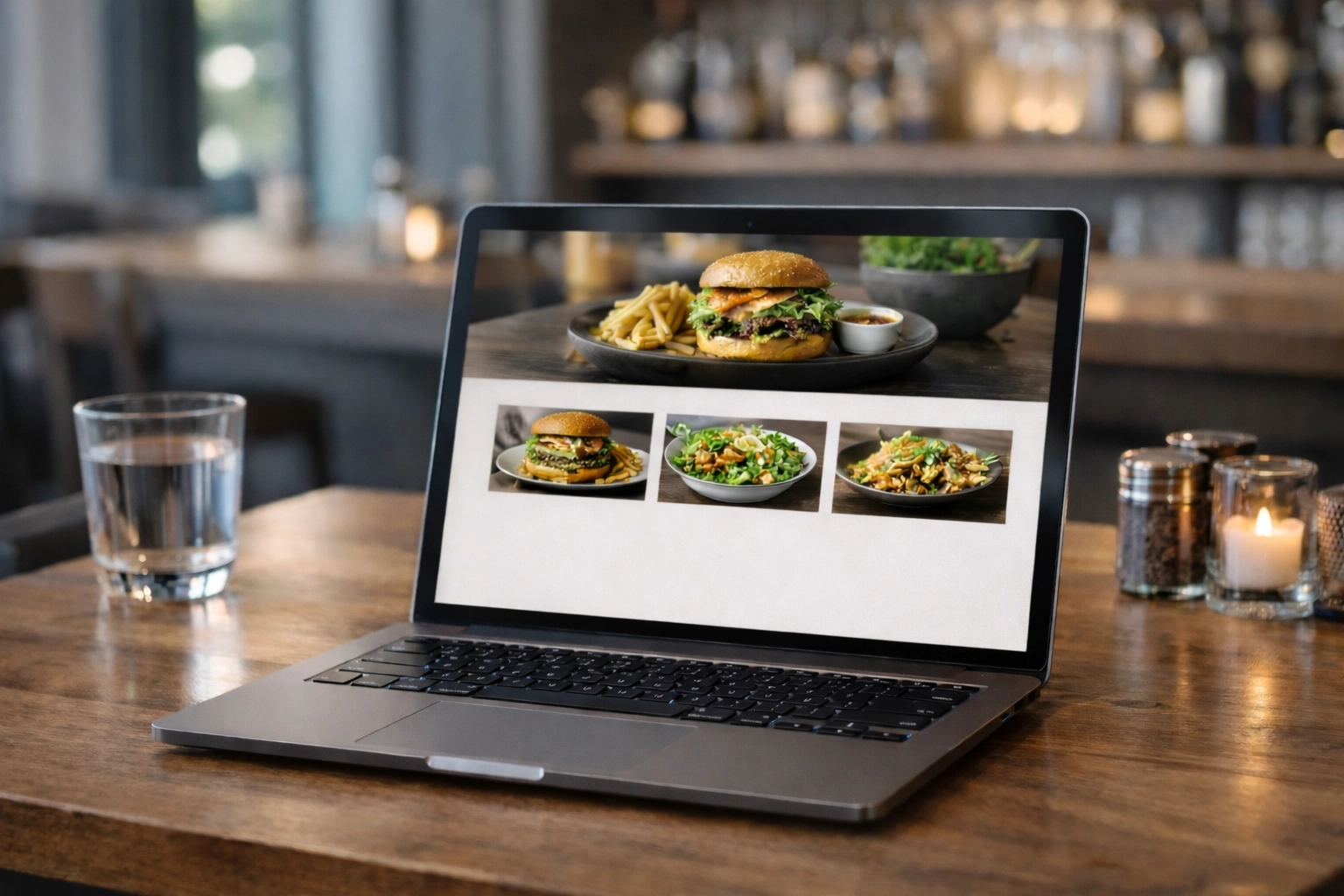
1. Launch Your Own Commission-Free Ordering Platform
The foundation of reducing delivery dependence starts with owning your digital ordering infrastructure. Platforms like ChowNow, Dinevate, and RestoLabs enable restaurants to accept orders directly through their website or branded app without paying per-order commissions.
This shift accomplishes several objectives simultaneously. You capture customer contact information, control the ordering experience, and keep more revenue from each transaction. More importantly, you create the foundation for every other loyalty-building strategy on this list.
We have seen restaurants reduce their third-party delivery volume by 40-60% within six months of launching their own ordering platform, simply by offering customers a direct alternative that often comes with better pricing or exclusive menu items.
2. Design a Point-Based Loyalty Program That Actually Rewards Frequency
Unlike dollar-based credit systems, point-based loyalty programs give you control over redemption values while encouraging specific behaviors. Customers who earn points for every dollar spent develop a psychological investment in returning to your establishment.
The most effective programs we have implemented include bonus point opportunities: double points on slow nights, extra points for trying new menu items, or birthday month multipliers. These mechanisms not only attract but retain customers by creating gamified incentives that third-party apps simply cannot replicate.
Your loyalty program should integrate seamlessly with both in-person visits and direct online orders, creating a unified experience regardless of how customers choose to engage with your brand.
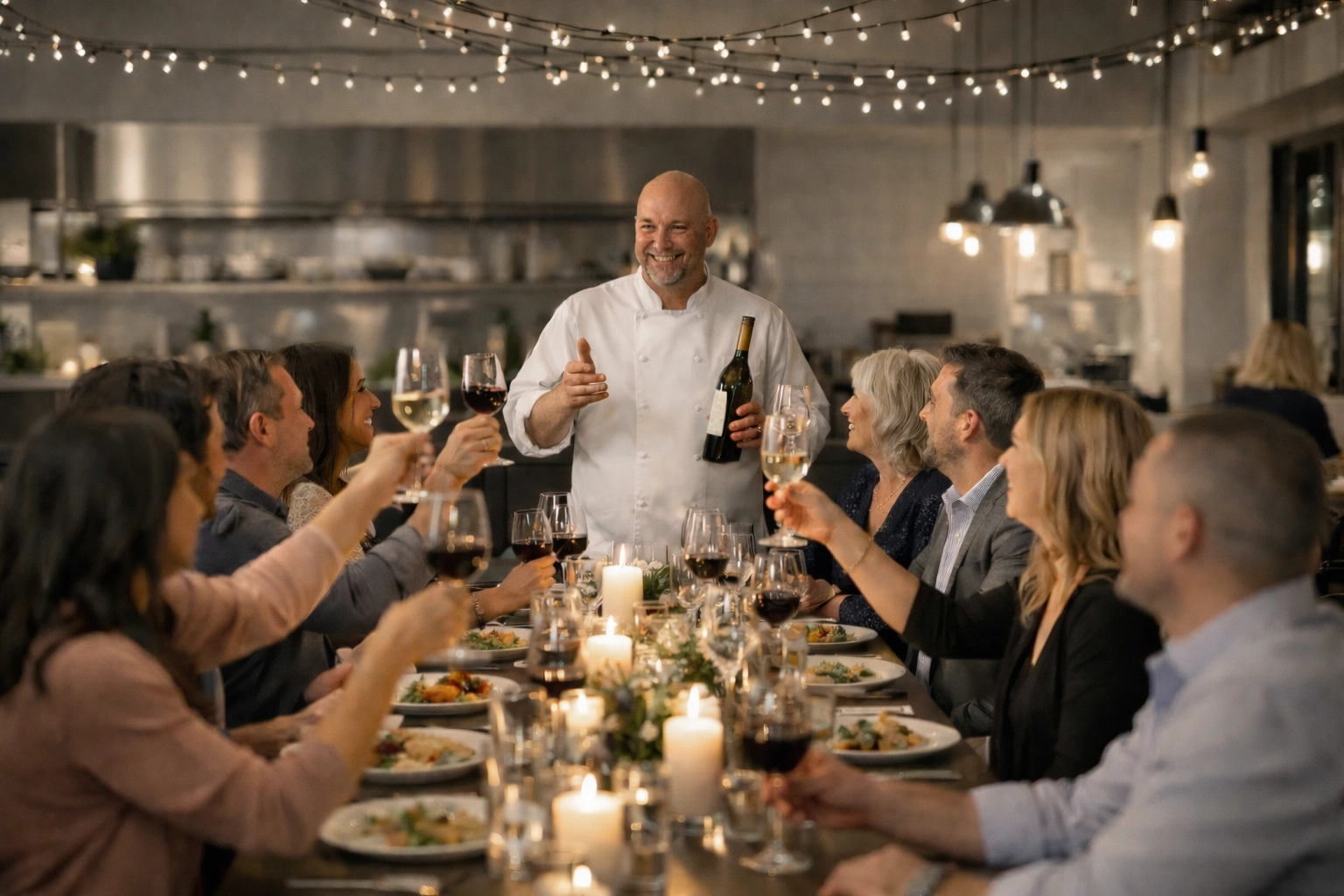
3. Create Exclusive In-House Events That Build Community
Physical experiences remain the most powerful differentiator between your establishment and a delivery order. Monthly or weekly events transform your space from a transaction point into a community gathering place.
Consider themed tastings, chef collaboration dinners, live music series, or industry appreciation nights. These events create anticipation and give customers a reason to plan visits in advance rather than defaulting to delivery when hunger strikes.
We believe that establishments which host regular events see measurably higher customer lifetime value because they create emotional connections that transcend convenience. A memorable evening with friends cannot be delivered in a paper bag.
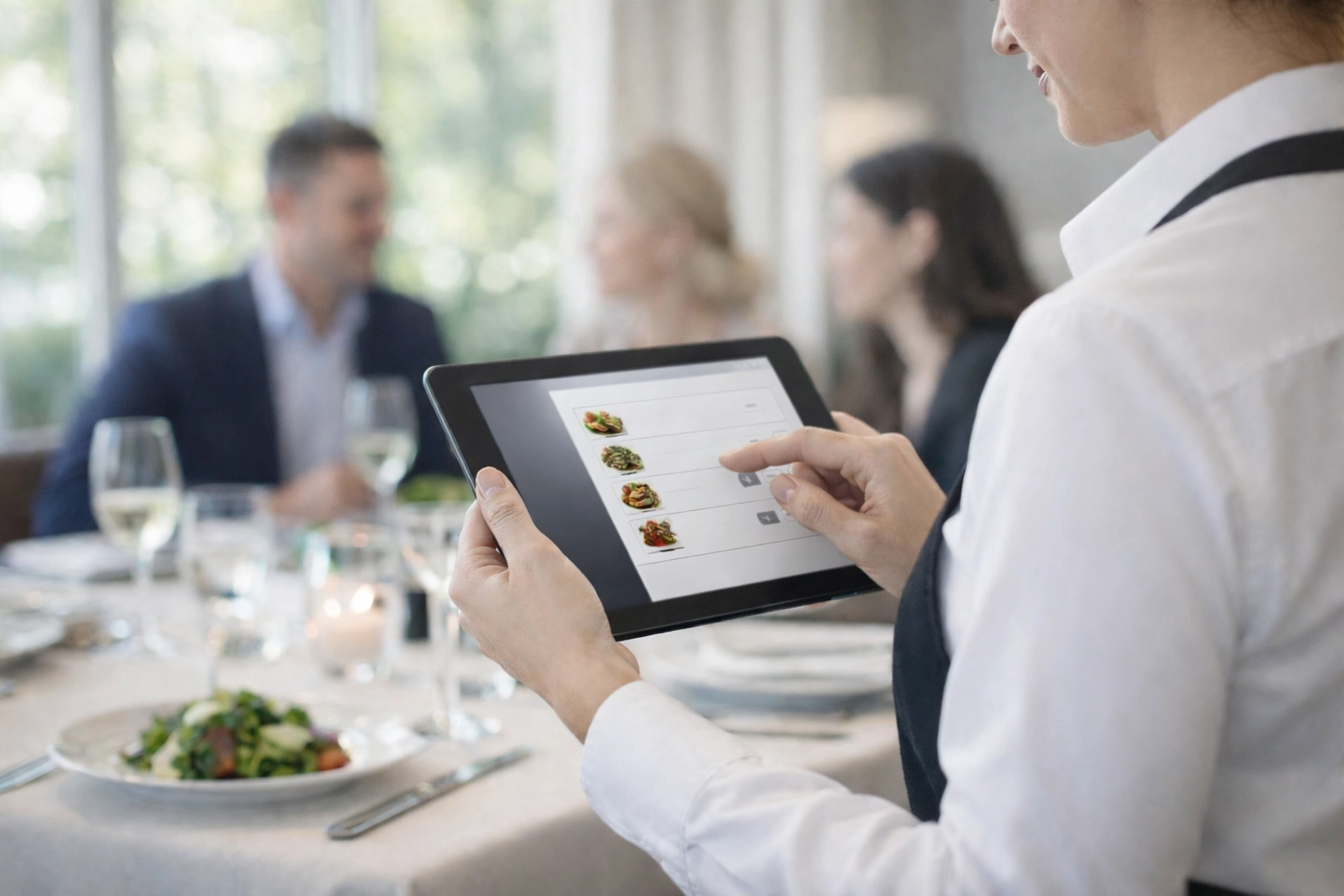
4. Implement Table-Side Technology That Enhances Service
QR code ordering, tableside payment, and digital wine lists represent opportunities to blend convenience with the in-person experience. When executed properly, these tools reduce wait times and empower guests to control their experience without diminishing the role of your service staff.
The key lies in positioning technology as an enhancement rather than a replacement. Servers who can spend less time taking orders and processing payments have more capacity to provide genuine hospitality: answering questions, making recommendations, and creating the personal touches that build loyalty.
Guests who experience faster service and more attentive staff are significantly more likely to return than those who order through an impersonal delivery platform.
5. Build a Strategic Email and SMS Communication Calendar
Owning customer contact information means nothing without a consistent communication strategy. A well-designed email and SMS program keeps your establishment top-of-mind without becoming intrusive.
Effective campaigns include weekly specials, event invitations, birthday offers, and loyalty point updates. Push notifications through your branded app can alert customers to limited-time menu items or same-day reservation availability.
The restaurants we work with that maintain regular, value-focused communication see 25-35% higher visit frequency from enrolled customers compared to those who rely solely on social media or walk-by traffic.
6. Offer Subscription or Membership Programs for Your Most Loyal Guests
Monthly membership programs have proven remarkably successful for bars and restaurants willing to experiment with alternative revenue models. Members might pay a flat monthly fee in exchange for benefits like priority reservations, complimentary appetizers, exclusive menu access, or percentage discounts.
These programs create predictable revenue while building a core group of frequent visitors who have a financial incentive to maximize their membership value. Unlike third-party delivery subscriptions that train customers to stay home, your membership encourages regular in-person visits.
We have implemented membership programs ranging from $25 to $150 per month, depending on the concept and market, with retention rates often exceeding 70% after the first year.
7. Develop a Thoughtful Takeout and Curbside Experience
Acknowledging that customers will sometimes prefer takeout over dining in, you can still create a branded, memorable experience that keeps them in your ecosystem rather than on third-party platforms.
This includes dedicated packaging that maintains food quality, personalized thank-you notes, loyalty point bonuses for direct takeout orders, and efficient curbside pickup that respects customers' time. Some establishments have found success with takeout-exclusive menu items or family meal bundles available only through direct ordering.
The goal is making direct takeout so seamless and rewarding that customers have no reason to add a middleman to the transaction. When you control the experience from order to delivery, you maintain the relationship and capture the full revenue.
Making the Transition
Reducing dependence on third-party delivery platforms requires intentional effort and often involves initial investment in technology and marketing. However, the long-term benefits: higher profit margins, owned customer relationships, and genuine loyalty: far outweigh the short-term convenience of outsourcing these functions.
We recommend establishments begin by implementing their own ordering platform and loyalty program simultaneously, then layering in additional experience enhancements based on their specific concept and customer base. Not every idea will fit every establishment, but the combination of owned technology, strategic communication, and memorable experiences creates a sustainable competitive advantage.
Every establishment has the potential to build direct customer relationships that generate predictable revenue and insulation from the volatility of third-party platform policies. The question is not whether you can afford to make these changes, but whether you can afford to continue ceding control of your customer relationships to external platforms.
Ready to reduce your delivery platform dependence and build lasting customer loyalty? Soderblom Consulting LLC specializes in helping bar and restaurant operators implement the technology and strategies that drive direct customer relationships. Contact our team to discuss how we can support your transition to a more profitable, sustainable operating model.