We believe that every restaurant establishment has the potential to dramatically reduce labor costs without sacrificing service quality or employee satisfaction. Rising labor costs have become one of the most pressing challenges facing hospitality operators today, but the solution isn't simply cutting staff or reducing hours. Through years of experience working with restaurants nationwide, we've identified seven operational efficiency strategies that not only control labor expenses but create more productive, profitable operations.
The Reality of Rising Labor Costs in Hospitality
Restaurant labor costs now average 30-35% of total revenue, with some establishments seeing even higher percentages. Minimum wage increases, competition for skilled workers, and evolving employee expectations have created a perfect storm that demands strategic operational adjustments. The establishments that thrive are those that work smarter, not just harder.
1. Master Predictive Scheduling with Data-Driven Precision
The foundation of labor cost control begins with strategic scheduling that aligns staffing levels precisely with customer demand patterns. We believe that implementing predictive scheduling software creates immediate impact on your bottom line while improving employee satisfaction.
Modern scheduling systems analyze historical sales data, seasonal trends, weather patterns, and local events to forecast optimal staffing levels. This approach prevents the common trap of overstaffing during slow periods and understaffing during rush times. When you provide employees with schedules posted at least two weeks in advance, you reduce last-minute schedule changes that often require expensive overtime or temporary staffing solutions.

Consider implementing these scheduling best practices:
- Track hourly sales data to identify precise peak and valley periods
- Cross-reference staffing levels with customer satisfaction scores to find the optimal balance
- Use mobile scheduling apps that allow employees to swap shifts efficiently
- Create standardized labor cost targets for different days of the week and times of year
2. Embrace Strategic Automation for High-Impact Tasks
Automation represents one of the most effective strategies for reducing labor costs while maintaining service quality. We believe that focusing automation efforts on repetitive, time-consuming tasks allows your human talent to concentrate on guest experience and revenue-generating activities.
Key areas where automation delivers immediate labor savings include:
- Inventory Management: Automated systems track stock levels, generate purchase orders, and alert managers to potential shortages
- Point-of-Sale Integration: Systems that automatically update inventory, track employee performance, and generate real-time sales reports
- Customer Communication: Automated reservation confirmations, wait list notifications, and feedback collection systems
- Financial Reporting: Daily sales reconciliation, labor cost analysis, and profit margin calculations
The goal isn't to replace human interaction but to eliminate administrative tasks that drain productivity and increase payroll expenses without adding customer value.
3. Develop a Cross-Trained, Flexible Workforce
Cross-training creates operational flexibility that directly translates to labor cost savings. Every establishment has the potential to reduce staffing needs by 15-20% through strategic cross-training initiatives that prepare employees to handle multiple roles efficiently.
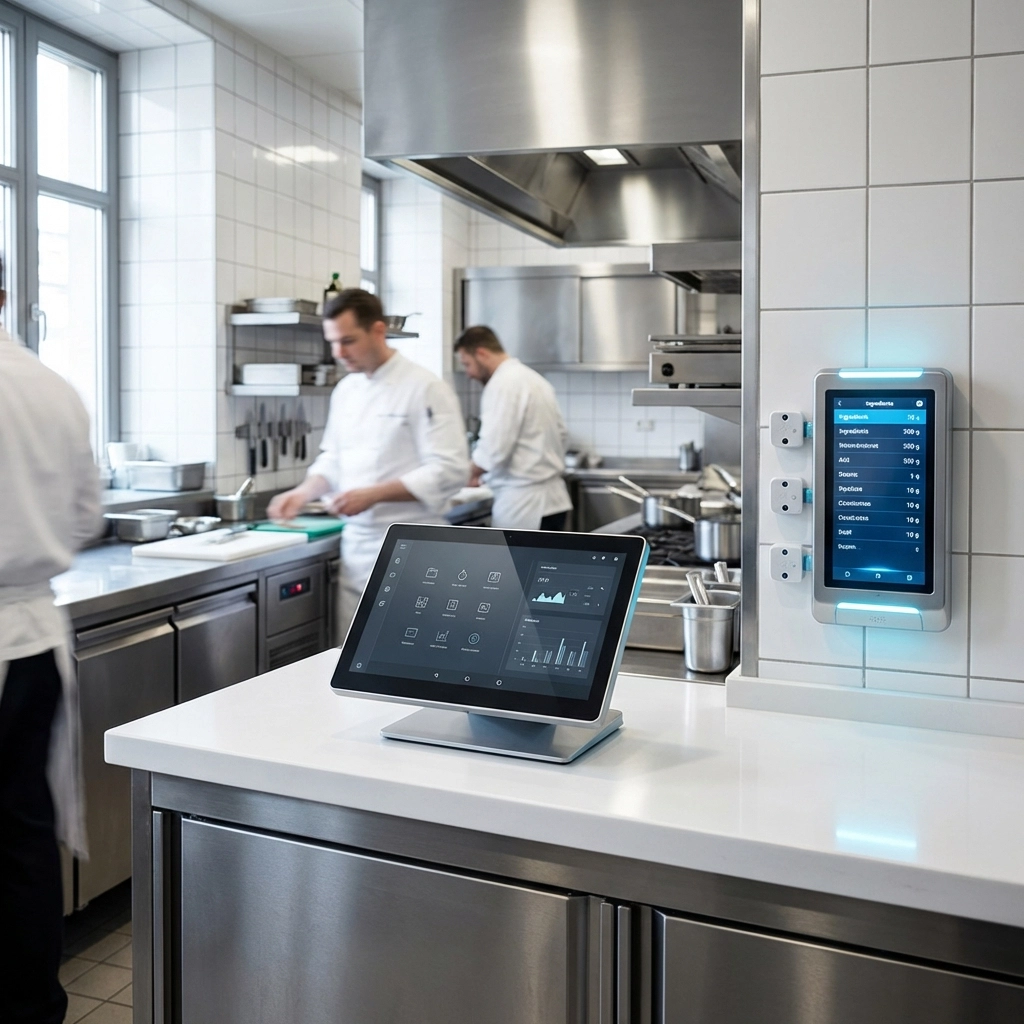
Effective cross-training programs focus on:
- Core Competencies: Train all front-of-house staff on basic food running, busing, and customer service protocols
- Kitchen Flexibility: Develop prep cooks who can handle multiple stations and assist with expediting during peak periods
- Management Backup: Cross-train senior staff members on opening/closing procedures, basic bookkeeping, and shift supervision
This approach not only reduces the need for overtime and temporary workers but also increases job satisfaction by providing employees with diverse skill sets and advancement opportunities.
4. Implement Precision Labor Demand Forecasting
Data analytics transforms labor scheduling from guesswork into strategic planning. We believe that accurate demand forecasting represents the difference between profitable operations and unnecessary labor expenses.
Develop forecasting systems that consider:
- Historical sales patterns by day of week, month, and season
- Local events, holidays, and weather conditions
- Marketing campaign impacts on customer traffic
- Menu changes and promotional activities
Use this data to create staffing models that align labor costs with revenue potential. Many establishments discover they can maintain service levels with 10-15% fewer labor hours through precise forecasting and strategic scheduling.
5. Standardize Operations to Maximize Efficiency
Standardization streamlines operations and reduces the specialized labor required for complex, customized processes. Every establishment has the potential to significantly reduce training time and labor costs through strategic menu and process standardization.
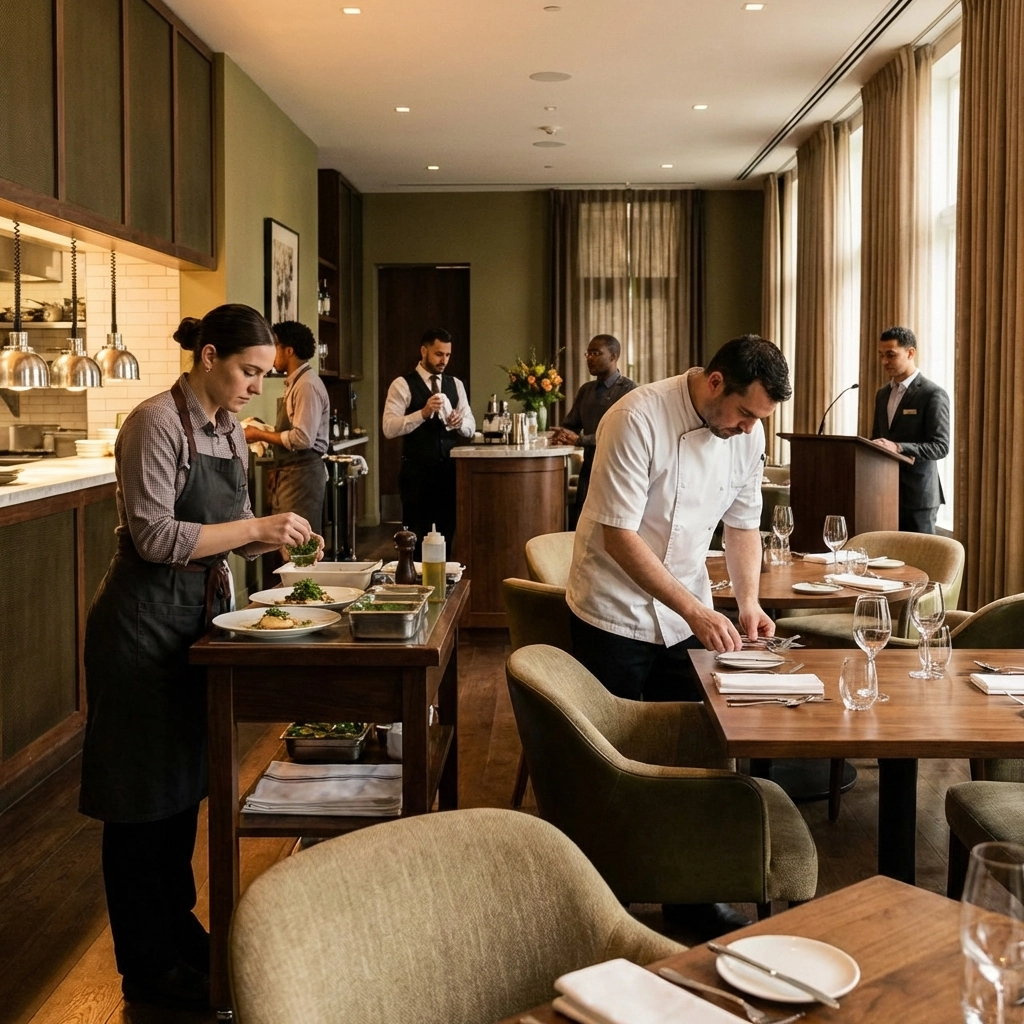
Focus standardization efforts on:
- Menu Engineering: Design dishes that share common ingredients and preparation techniques
- Preparation Procedures: Create detailed recipe cards and prep lists that minimize decision-making time
- Service Protocols: Establish consistent customer service procedures that reduce training requirements
- Cleaning and Maintenance: Develop standardized checklists that ensure efficiency and completeness
This approach doesn't limit creativity but creates operational frameworks that allow your team to work more efficiently and effectively.
6. Transition to Performance-Based Compensation Models
Results-oriented compensation aligns employee incentives with operational efficiency and profitability. We believe that shifting compensation models from hours-worked to results-achieved creates win-win scenarios for both employers and employees.
Consider implementing:
- Service-Based Bonuses: Reward servers based on customer satisfaction scores and sales performance
- Kitchen Productivity Incentives: Provide bonuses for meeting quality and speed benchmarks
- Team-Based Goals: Create shared incentives for achieving labor cost targets and revenue objectives
- Cross-Training Premiums: Offer higher hourly rates for employees who maintain certifications in multiple positions
This approach encourages efficiency, reduces unnecessary work time, and often results in higher employee satisfaction despite potentially fewer total hours.
7. Apply Lean Operations Principles to Hospitality
Lean manufacturing principles translate effectively to restaurant operations, creating systematic approaches to eliminating waste and maximizing productivity. Through years of experience implementing lean strategies, we've seen establishments double worker productivity while improving service quality.

Key lean principles for hospitality include:
- Waste Elimination: Identify and remove non-value-added activities from all processes
- Continuous Improvement: Implement regular team meetings focused on operational efficiency improvements
- Standardized Work: Create detailed procedures for all tasks to minimize variation and training time
- Visual Management: Use displays and charts to track performance metrics and identify improvement opportunities
Lean operations not only reduce labor costs but create more organized, efficient work environments that improve employee satisfaction and customer experience.
Implementation Strategy: Start Small, Scale Smart
We believe that successful operational efficiency improvements require strategic implementation rather than wholesale changes. Begin with one or two areas where you can achieve quick wins, then gradually expand your efficiency initiatives as systems prove effective.
Consider this implementation timeline:
- Week 1-2: Implement predictive scheduling software and establish baseline metrics
- Week 3-4: Begin cross-training programs for key positions
- Month 2: Introduce automation systems for inventory and reporting
- Month 3: Launch performance-based compensation pilots
- Months 4-6: Expand standardization and lean operations initiatives
Measuring Success and Continuous Improvement
Effective labor cost management requires ongoing measurement and adjustment. Track key performance indicators including labor cost percentage, employee productivity metrics, customer satisfaction scores, and revenue per labor hour. These measurements provide the data needed to refine your efficiency strategies and maximize long-term results.
The establishments that successfully control labor costs while maintaining service excellence are those that view operational efficiency as an ongoing strategic priority rather than a one-time cost-cutting initiative. Through systematic implementation of these seven strategies, every restaurant has the potential to create sustainable labor cost savings that directly improve profitability and competitive positioning.
For personalized guidance on implementing these operational efficiency strategies in your establishment, contact our team of hospitality consulting experts who understand the unique challenges facing today's restaurant operators.