The restaurant industry faces an unprecedented staffing challenge. With turnover rates consistently hovering above 75%, many establishments find themselves in a constant cycle of hiring, training, and losing employees. The solution isn't just about finding more staff: it's about developing and retaining the talented individuals you already have.
We believe that every restaurant has the potential to create an environment where employees thrive, grow, and choose to stay long-term. Through years of experience working with hospitality establishments nationwide, we've identified that strategic employee development programs not only attract quality candidates but retain them while dramatically improving service quality and operational efficiency.
Foundation Training That Actually Sticks
1. Implement Weekly 15-Minute Skill Sessions
Transform dead time into learning opportunities. Cover topics like proper knife techniques, wine pairing basics, or customer service scenarios during slow periods.
2. Create Menu Mastery Programs
Organize monthly tasting sessions where staff sample new dishes, learn ingredient origins, and practice describing menu items to customers. Staff who understand the menu sell more effectively.
3. Cross-Training Rotations
Allow servers to spend shifts in the kitchen and kitchen staff to shadow front-of-house operations. This builds empathy between teams and creates more versatile employees.
4. POS System Certification Levels
Develop beginner, intermediate, and advanced certification levels for your point-of-sale system. Reward employees who achieve higher levels with increased responsibilities and pay bumps.
5. Food Safety Championships
Turn compliance training into friendly competition. Create teams that compete on food safety knowledge, with winners earning recognition and small prizes.
6. Vendor-Led Educational Sessions
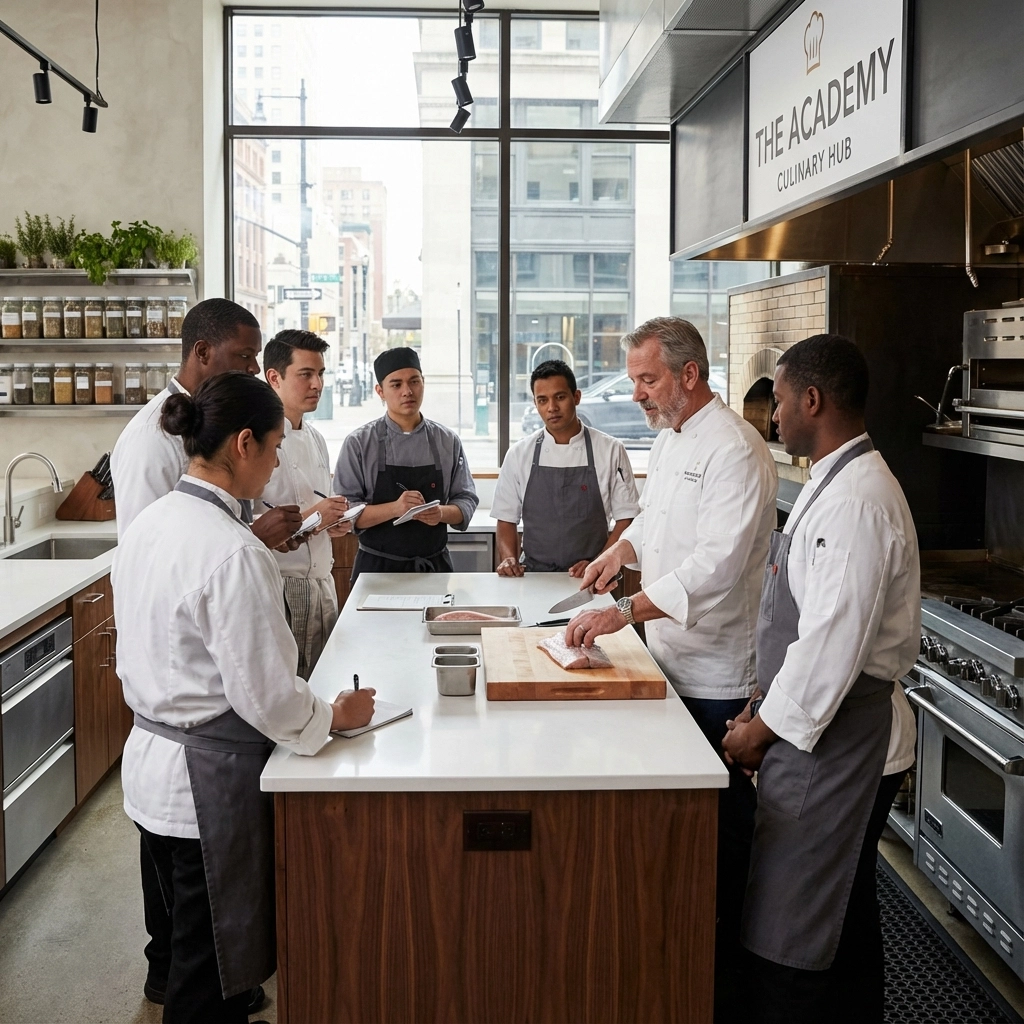
Invite suppliers to conduct training sessions about their products. Wine distributors, specialty food vendors, and equipment suppliers often provide excellent educational opportunities.
7. Customer Service Scenario Training
Role-play difficult customer situations during team meetings. Practice de-escalation techniques and problem-solving strategies in a supportive environment.
8. Microlearning Modules
Develop 5-minute daily training sessions on specific topics like upselling techniques, proper table setting, or cocktail garnish preparation.
Building Clear Career Pathways
9. Individual Development Plans
Work with each employee to create personalized career roadmaps. Identify their goals and create specific steps to help them advance within your organization.
10. Leadership Shadow Programs
Allow promising employees to shadow managers during shifts, learning scheduling, inventory management, and leadership decision-making processes.
11. Advanced Culinary Training Opportunities
Partner with local culinary schools to provide advanced cooking classes for kitchen staff interested in expanding their skills.
12. Management Training Certificates
Offer to pay for employees to earn food service management certifications, creating a pipeline of qualified internal candidates for promotion.
13. External Mentorship Programs
Connect employees with industry professionals outside your establishment for broader perspective and networking opportunities.
14. Tuition Assistance Programs
Provide financial support for employees pursuing relevant education, whether hospitality management degrees or specialized certifications.
Recognition Programs That Motivate
15. Employee of the Month with Meaningful Rewards
Go beyond generic plaques. Offer preferred parking spots, flexible scheduling, or extra paid time off.
16. Peer Nomination Systems
Allow staff members to nominate colleagues for recognition, fostering positive team dynamics and mutual appreciation.
17. Achievement Badge Systems
Create digital or physical badges for completing training modules, achieving sales goals, or receiving customer compliments.
18. Customer Compliment Sharing
Publicly share positive customer feedback about specific employees during team meetings and on social media (with permission).
19. Skills-Based Bonus Structure
Offer financial incentives for completing advanced training, earning certifications, or developing new competencies.
20. Anniversary Celebrations
Recognize work anniversaries with increasing benefits: extra vacation days, cash bonuses, or special privileges.
Engagement Through Innovation
21. Suggestion Box with Implementation Guarantees
Create a system where employee suggestions are reviewed monthly, with commitments to implement feasible ideas and recognize contributors.
22. Menu Development Participation
Involve staff in seasonal menu planning, allowing them to contribute recipe ideas or suggest modifications based on customer feedback.
23. Mystery Shopper Programs
Use staff members as mystery shoppers at competitor establishments, providing them with valuable industry perspective and paid dining experiences.
24. Social Media Content Creation
Train interested employees to create content for your restaurant's social media accounts, developing their digital marketing skills.
25. Inventory Management Training
Teach staff about cost control, waste reduction, and inventory tracking, helping them understand the business side of operations.
26. Customer Feedback Analysis Sessions
Review customer reviews and feedback with staff, discussing trends and brainstorming improvements together.
Team Building and Culture Development
27. Monthly Team Challenges
Create friendly competitions between shifts or departments: highest customer satisfaction scores, lowest waste percentages, or best upselling results.
28. Skills Exchange Programs
Encourage employees to teach each other unique skills they possess, from language abilities to special cooking techniques.
29. Volunteer Opportunities
Organize team volunteer activities at local food banks or community events, building camaraderie while giving back.
30. Celebration Traditions
Establish regular traditions like birthday celebrations, achievement parties, or seasonal events that build team cohesion.
31. Staff Meal Innovation
Rotate responsibility for planning and preparing staff meals, encouraging creativity and teaching new cooking techniques.
Communication and Feedback Systems
32. Weekly One-on-One Check-ins
Schedule brief individual meetings with each employee to discuss their development, address concerns, and gather feedback.
33. Anonymous Feedback Channels
Provide multiple ways for employees to share honest feedback without fear of repercussions.
34. Goal-Setting Sessions
Work with employees to establish SMART goals (Specific, Measurable, Achievable, Relevant, Time-bound) and track progress regularly.
35. Conflict Resolution Training
Teach staff how to handle interpersonal conflicts professionally, creating a more harmonious work environment.
Professional Development Opportunities
36. Industry Conference Attendance
Send promising employees to hospitality industry conferences and trade shows, exposing them to new trends and networking opportunities.
37. Guest Chef Programs
Invite renowned chefs to conduct workshops or cooking demonstrations for your kitchen staff.
38. Wine and Beverage Education
Provide sommelier training or craft cocktail courses for front-of-house staff interested in beverage specialization.
39. Technology Training Programs
Keep staff current with restaurant technology trends through training on new POS systems, reservation platforms, or inventory management software.
40. Public Speaking Opportunities
Encourage confident staff members to represent your restaurant at local events or industry panels.
Wellness and Work-Life Balance
41. Flexible Scheduling Options
Offer schedule flexibility for employees pursuing education or managing family responsibilities.
42. Mental Health Resources
Provide access to employee assistance programs or stress management workshops.
43. Ergonomics Training
Teach proper lifting techniques and workspace setup to prevent injuries and promote long-term health.
44. Nutrition Education
Help staff understand healthy eating principles, especially important for employees working long shifts.
Performance Measurement and Growth
45. Skills Assessment Programs
Conduct regular evaluations that identify strengths and development opportunities for each employee.
46. Customer Service Metrics Training
Teach staff how their actions impact key performance indicators and business success.
47. Leadership Project Assignments
Give promising employees special projects that develop their management and problem-solving skills.
48. Industry Certification Support
Help employees earn relevant certifications like ServSafe, responsible alcohol service, or customer service excellence credentials.
49. Knowledge Sharing Sessions
Regular meetings where employees can share what they've learned from training or external experiences with the entire team.
50. Exit Interview Analysis
When employees do leave, conduct thorough exit interviews to identify improvement opportunities in your development programs.
51. Succession Planning Programs
Identify high-potential employees and prepare them for advancement opportunities before positions become available.
52. Innovation Time
Dedicate regular time for employees to experiment with new ideas, whether recipe development, service improvements, or operational efficiencies.
Implementation Strategy
Successfully implementing these development ideas requires commitment and systematic approach. Start with 3-5 initiatives that align with your current challenges and employee interests. Measure results through retention rates, employee satisfaction surveys, and performance metrics. Gradually expand your development programs based on what works best for your team and establishment.
Remember that employee development is an investment that pays dividends through reduced turnover costs, improved service quality, and enhanced customer satisfaction. The restaurants that thrive in today's competitive market are those that recognize their staff as their most valuable asset and invest accordingly in their growth and success.
Ready to transform your employee development strategy and build a stronger, more committed team? At Soderblom Consulting, we specialize in creating customized staff development programs that address the unique challenges facing today's hospitality establishments. Our proven systems help restaurants nationwide reduce turnover while improving service quality and operational efficiency.