We believe that every restaurant establishment has the potential to achieve remarkable profitability in 2026, but only those embracing a data-driven, integrated approach will thrive amid tighter margins and evolving customer expectations. Success requires threading the needle between offering exceptional value while investing strategically in operations, food quality, and guest experience.
Through years of experience guiding hospitality businesses, we've identified that restaurants facing economic uncertainty must adopt systematic efficiency improvements across five critical areas: financial discipline, technology integration, operational excellence, labor optimization, and guest experience enhancement.
Financial Discipline: The Foundation of Profitability
Audit your entire expense structure with surgical precision. We recommend conducting a comprehensive evaluation of subscriptions, insurance policies, utility agreements, and staffing levels to eliminate costs that don't directly contribute to guest satisfaction or operational necessity. Food waste represents direct profit loss, making it essential to conduct deep analysis of ingredient expiration patterns, underperforming menu items, portion consistency, and supplier contract terms.
Modern inventory management software provides real-time tracking capabilities that reduce waste by up to 30 percent. We believe that restaurants investing in these systems not only protect their margins but also gain competitive advantages through better forecasting accuracy.
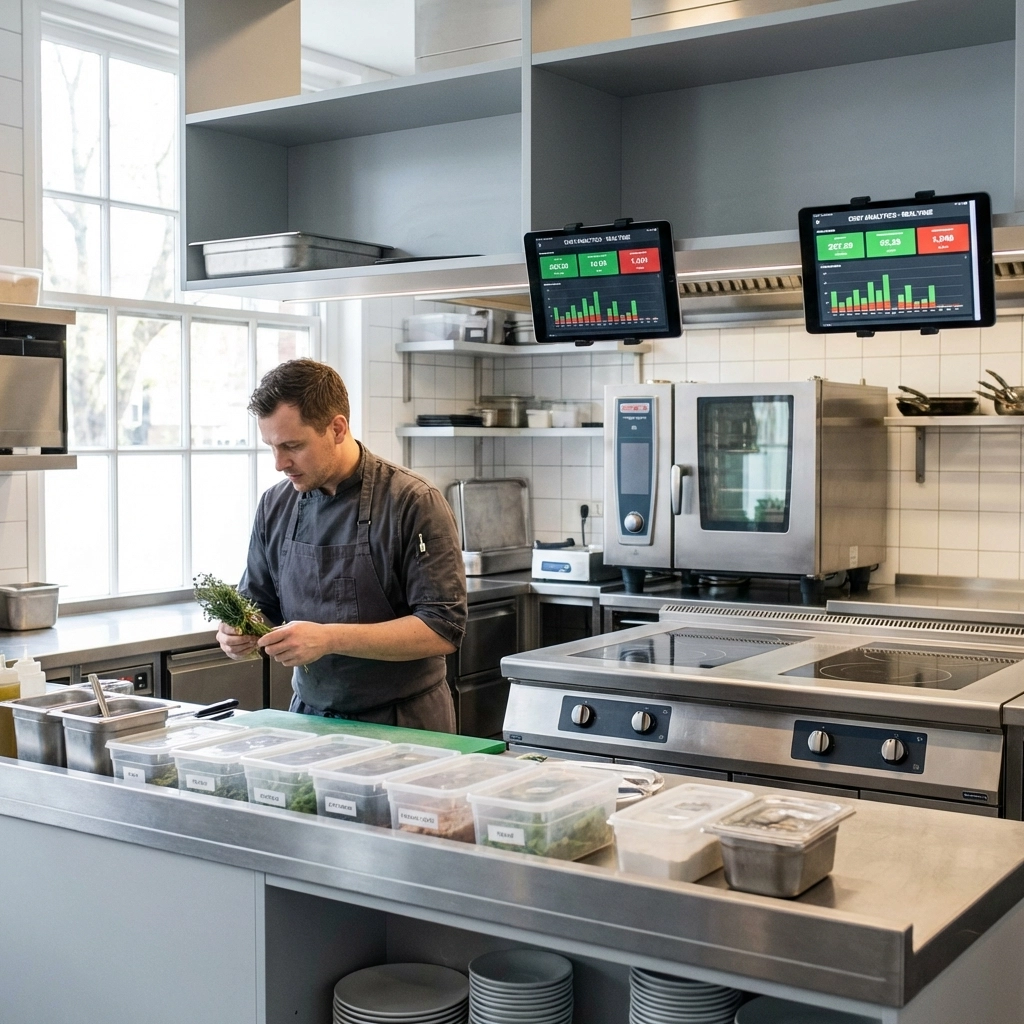
Strategic equipment evaluation drives long-term savings. Energy-efficient appliances reduce utility costs significantly over time, while planned upgrades to aging equipment maintain consistency and safety standards. Year-end planning provides ideal opportunities for thoughtful replacements that enhance both efficiency and reliability.
Every establishment has the potential to transform their cost structure through systematic analysis. Focus on identifying which expenses directly enhance guest experience versus those that merely maintain status quo operations.
Technology Integration: Building Cohesive Systems
The winning approach for 2026 isn't accumulating more tools, it's creating seamless integration and strategic consolidation. Many restaurants built disconnected systems during post-pandemic expansion, creating operational friction that undermines efficiency.
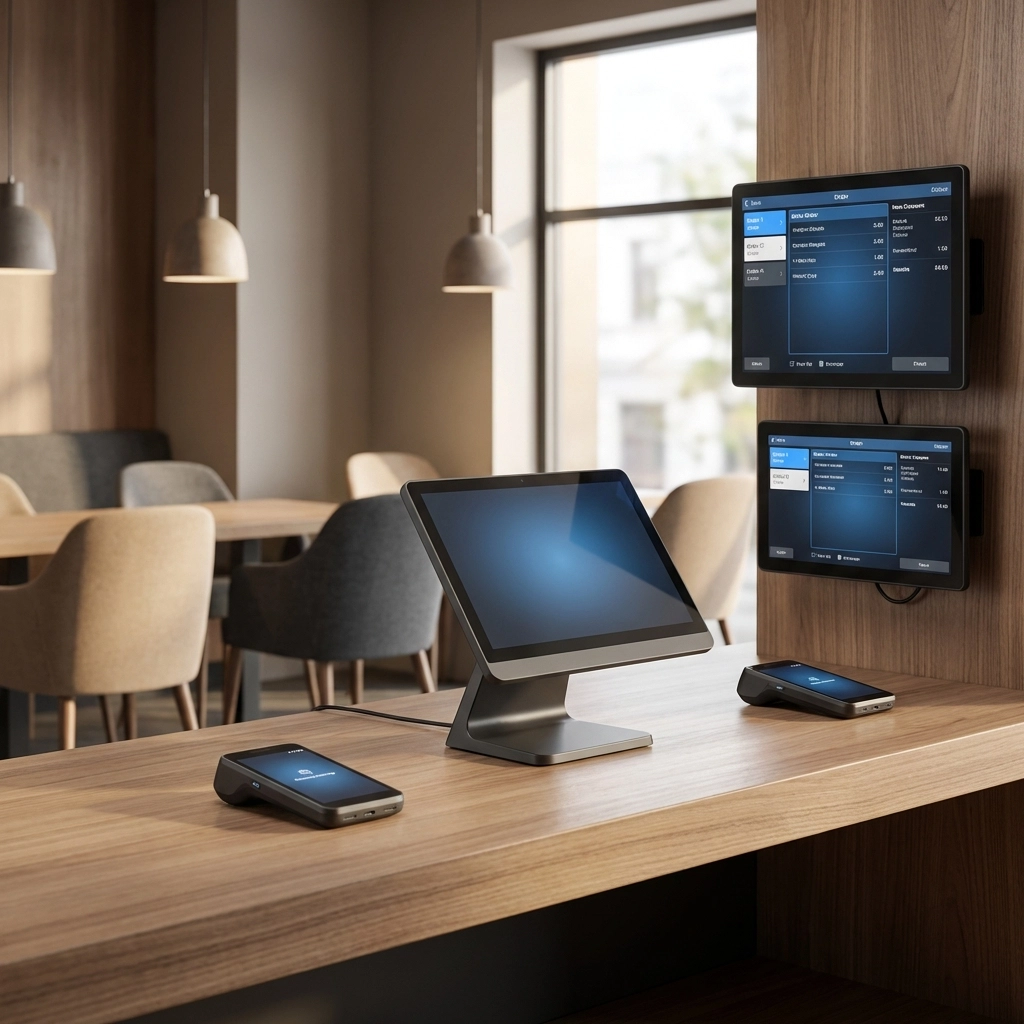
Consolidate around your POS system as the central operational hub. We recommend connecting loyalty programs, inventory management, kitchen display systems, and analytics through unified platforms rather than managing separate, disconnected tools.
Implement Kitchen Display Systems integrated with your POS to reduce order errors, streamline communication between front-of-house and kitchen teams, and ensure consistent order fulfillment timing. Liner-less label printers improve preparation accuracy by clearly indicating dietary requirements, timestamps, table numbers, and delivery specifications.
Prioritize cloud-smart infrastructure with hybrid environments and LTE failover capabilities. This eliminates costly downtime during peak service periods when every minute of operation directly impacts revenue.
Deploy technology where it delivers genuine efficiency improvements, not novelty features. AI tools should focus on prep forecasting, inventory alerts, demand prediction, and labor optimization, enhancing rather than replacing human hospitality expertise.
Data Analytics and Menu Engineering Excellence
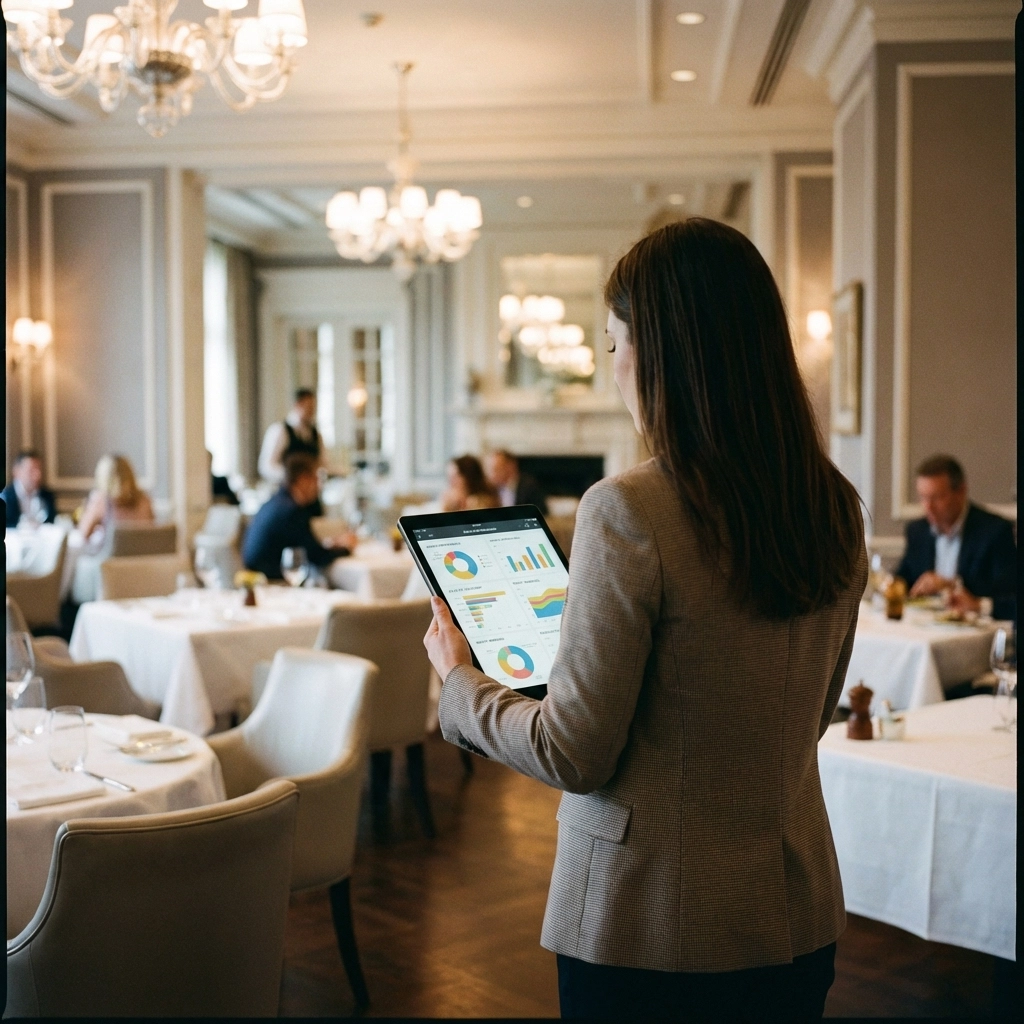
Leverage your POS and back-of-house systems to gather actionable intelligence. Every transaction provides insights into what sells best, when demand peaks occur, which plates generate excessive leftovers, and which menu items underperform relative to food costs.
Menu engineering with profitability focus requires understanding which items drive highest sales volume and highest guest lifetime value. The smartest establishments identify dishes that convert first-time visitors into repeat customers while maintaining healthy margins.
Design promotions using data-driven insights rather than guesswork. Instead of blanket discounts that train guests to expect deals and erode profitability, build targeted promotions around high-margin items, seasonal inventory management, or underperforming dayparts using detailed POS reports.
Time-based pricing strategies differentiate peak versus off-peak periods, optimizing revenue throughout operational hours. We believe that restaurants implementing sophisticated pricing models not only improve profitability but also better manage customer flow and kitchen capacity.
AI-Powered Demand Forecasting
AI-led real-time demand forecasting transforms labor planning and inventory accuracy. These systems analyze historical order patterns, weather data, local events, and seasonal trends to predict peak periods with remarkable precision.
AI automation typically reduces manual administrative workload by 30 percent and cuts planning time in half, freeing managers to focus on team development and guest relationships. Use artificial intelligence for staff scheduling optimization, anticipating customer preferences, and personalizing loyalty program rewards.
We recommend implementing AI tools that handle complexity in the background while humans deliver personalized hospitality experiences. This balance drives both operational efficiency and guest satisfaction simultaneously.
Kitchen Efficiency and Operational Excellence
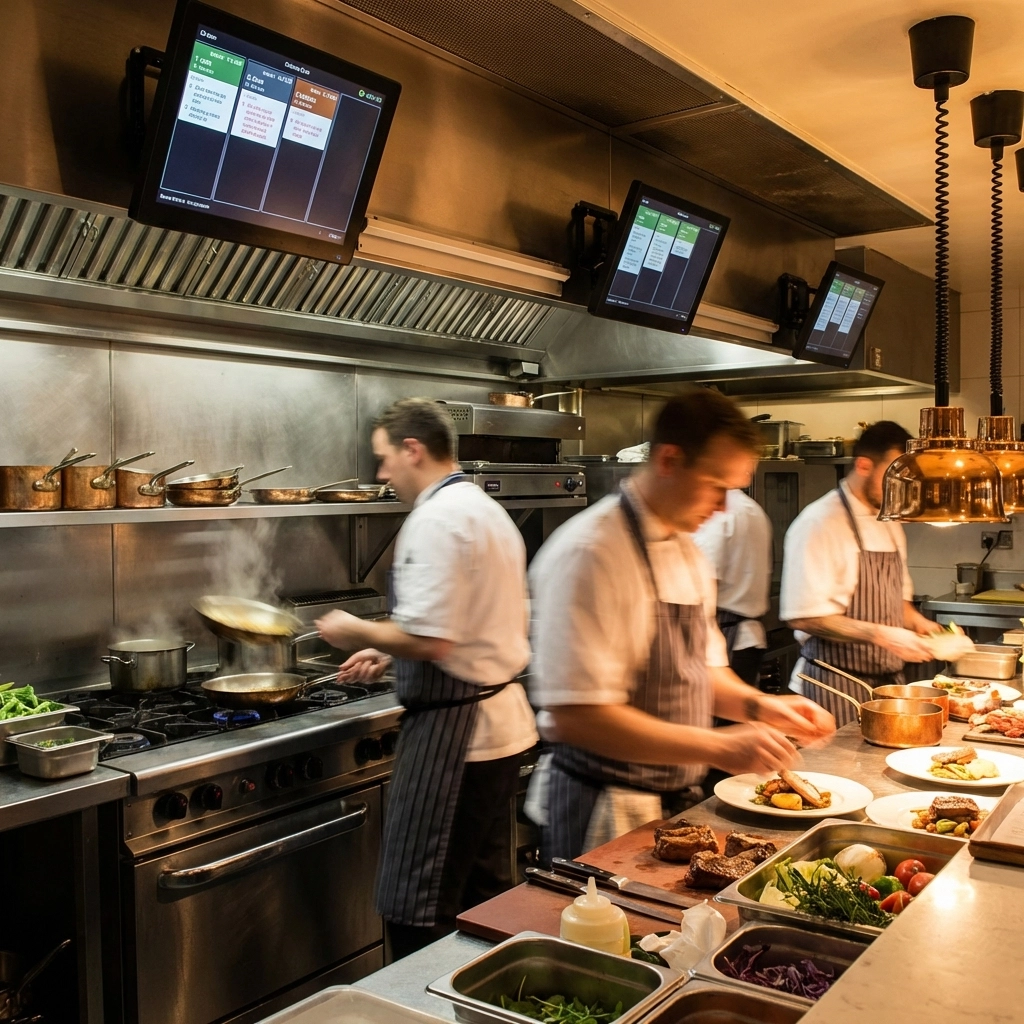
Master kitchen productivity optimization through real-time visibility systems. Ensure kitchen operations run as productively and profitably as possible by implementing data-driven tools that maximize capacity utilization and prioritize the most profitable order channels without over-promising delivery times to guests.
Streamline kitchen processes to allow teams to execute consistently during high-volume periods while managing labor costs effectively. Integrated workflow optimization, systematic labeling, and Kitchen Display Systems maintain consistency and meet customer expectations during peak demand.
Focus on AP4 principles, ensuring every kitchen operation contributes to productivity and profitability. This systematic approach eliminates waste, reduces preparation time, and improves consistency across all menu items.
Labor Strategy and Staffing Optimization
With rising labor costs, every establishment has the potential to run smarter operations through intentional staffing strategies. AI tools analyze historical order trends to predict peak periods and optimize staffing levels, reducing waste while improving service quality.
Implement cross-training programs that create operational flexibility. Team members capable of handling multiple roles provide scheduling flexibility while reducing labor costs during slower periods. We believe that restaurants investing in comprehensive training programs not only improve efficiency but also enhance employee satisfaction and retention.
Use technology to handle scheduling complexity, overtime calculation, and break management while human managers focus on coaching, motivation, and guest relationship building.
Guest Experience and Operational Efficiency Integration
Maintain exceptional comfort and cleanliness standards as non-negotiable operational requirements. Invest in well-maintained seating, updated décor elements, and thoughtfully curated ambient music that enhances dining atmosphere. These investments drive guest satisfaction and encourage repeat visits.
Leverage front-of-house technology systems that handle reservations, waitlist management, and seating optimization to reduce wait times, improve table turnover, and provide consistency during busy or unpredictable service periods.
Gather guest feedback systematically through multiple channels. Don't assume customer preferences, collect insights through digital surveys, QR code feedback systems, or integrated review platforms. Use these insights to make targeted improvements that enhance both satisfaction and operational efficiency.
Digital Presence and Conversion Optimization
Optimize your digital presence for maximum conversion potential. Mobile optimization remains non-negotiable, since 88 percent of diners research restaurants online before making dining decisions. Ensure your website includes current menu information, accurate hours, contact details, and seamless links to online ordering or reservation platforms.
A clean, fast-loading website builds immediate trust and credibility. Slow, confusing digital experiences drive potential guests directly to competitors before you have opportunity to demonstrate your service quality.
Sustainability as Operational Necessity
Sustainability has evolved from marketing advantage to operational requirement. Zero-waste kitchen operations redesign entire preparation processes around minimizing food waste by building menus around seasonally available local ingredients and creative preparation techniques.
Track composting programs, energy efficiency improvements, and water conservation initiatives with the same rigor applied to food cost analysis. We believe that restaurants implementing comprehensive sustainability programs not only reduce operational costs but also attract environmentally conscious customers who demonstrate higher loyalty and spending patterns.
Implementation Strategy for 2026 Success
Restaurants that achieve exceptional profitability in 2026 will be those that use technology to enhance rather than replace human hospitality while ensuring every investment directly contributes to improved guest experiences and operational margins.
The combination of rigorous financial discipline, integrated technology systems, data-driven decision making, and intentional operational design creates sustainable competitive advantages needed to thrive amid economic uncertainty and rising operational costs.
We believe that every establishment has the potential to implement these strategies systematically, creating environments where both guests and team members thrive while building long-term profitability and market leadership.
Ready to transform your restaurant's efficiency and profitability? Contact our experienced consulting team to develop a customized strategy that addresses your specific operational challenges and growth objectives.