We believe that every establishment has the potential to be a profit powerhouse, yet many owners find their hard-earned revenue slipping through the cracks of the kitchen floor. It isn’t always a lack of customers or a subpar menu that stifles growth; more often than not, it is the invisible weight of inefficient inventory management.
In the high-stakes world of hospitality, where margins are notoriously thin, managing what comes in through the back door is just as critical as what goes out through the front. We believe that a restaurant’s inventory is its most volatile asset. When managed with precision, it fuels creativity and profit. When neglected, it becomes a source of waste, stress, and financial drain.
Through years of experience, we have identified that the transition from a struggling kitchen to a high-performance operation requires more than just a better clipboard. It requires a systematic framework that integrates cost of sales analysis, streamlined operations, and tailored strategic guidance.
The Philosophy of Proactive Inventory
At Soderblom Consulting LLC, we believe that efficiency is not a one-time event but a continuous culture. Creating environments where staff members understand the value of every ounce of protein and every bottle of spirits is the first step toward reclaiming your bottom line. We have seen that when a framework is clearly defined, it does more than just save money: it empowers your team to focus on what they do best: providing exceptional guest experiences.
A proven inventory management framework is built on three essential pillars: disciplined processes, technological integration, and rigorous data analysis. By mastering these, you not only attract but retain the financial stability necessary to scale your vision.
Pillar 1: The Foundation of Systematic Processes
The most sophisticated software in the world cannot fix a broken physical process. We believe that the framework must begin with the physical movement of goods. This starts the moment a delivery truck arrives at your loading dock.
Standardized Receiving and Logging
Efficiency begins with accountability. Every establishment should have a dedicated protocol for receiving orders. This involves verifying that the quantity and quality of the items delivered match the invoice exactly. It is a common mistake to assume that the vendor’s packing slip is always accurate. By implementing a "blind check" or a rigorous invoice audit, you ensure that you are only paying for what you actually receive.
The FIFO Method: Non-Negotiable Excellence
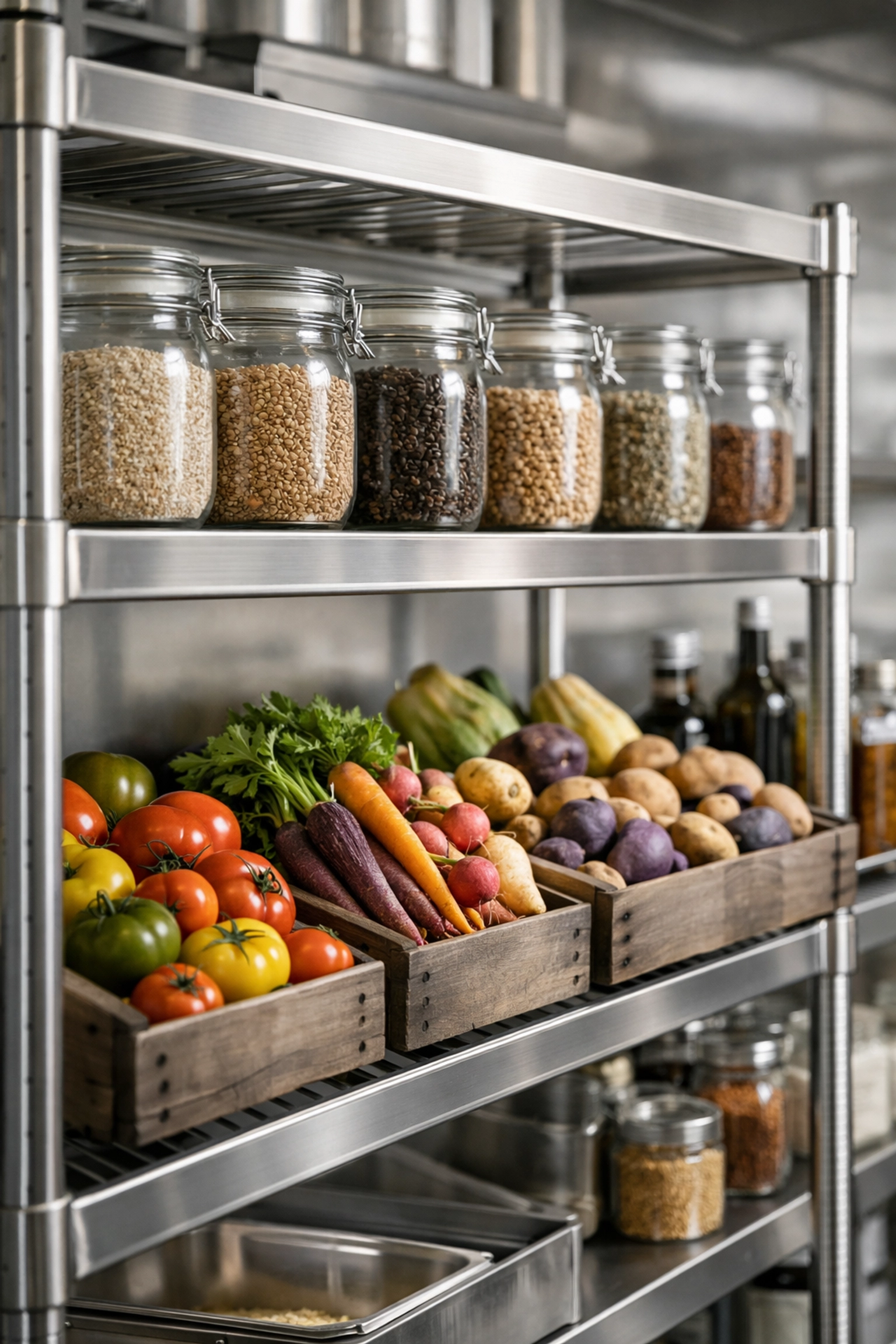
First In, First Out (FIFO) is more than a suggestion; it is the cornerstone of quality control and waste reduction. We believe that maintaining a strict FIFO rotation is essential for protecting the integrity of your ingredients.
- Labeling: Every item entering the kitchen must be labeled with its delivery date.
- Organization: New stock must consistently be placed behind older stock.
- Training: Staff must be educated on the financial impact of spoilage.
When FIFO becomes second nature, food waste is slashed, and the consistency of your dishes improves, leading to higher customer loyalty.
Pillar 2: The PAR Level System and Replenishment
One of the most frequent challenges we see is the "feast or famine" ordering cycle. Over-ordering ties up precious cash flow in sitting inventory that risks spoiling, while under-ordering leads to 86’d items and disappointed guests.
We believe that establishing Periodic Automatic Replenishment (PAR) levels acts as a critical safety net for your operations. By calculating the minimum amount of stock required to meet demand until the next delivery, you remove the guesswork from ordering.
The formula is straightforward but transformative:
PAR Level = (Average Daily Usage × Delivery Lead Time) + Safety Stock
For example, if your establishment uses 20 cases of a specific wine weekly and the distributor takes three days to deliver, your PAR level ensures you never dip into your "emergency" supply. This level of precision allows for everything you need to boost profitability in 2026, creating a lean operation that responds to real-time needs rather than gut feelings.
Pillar 3: Technology and AI Integration in 2026
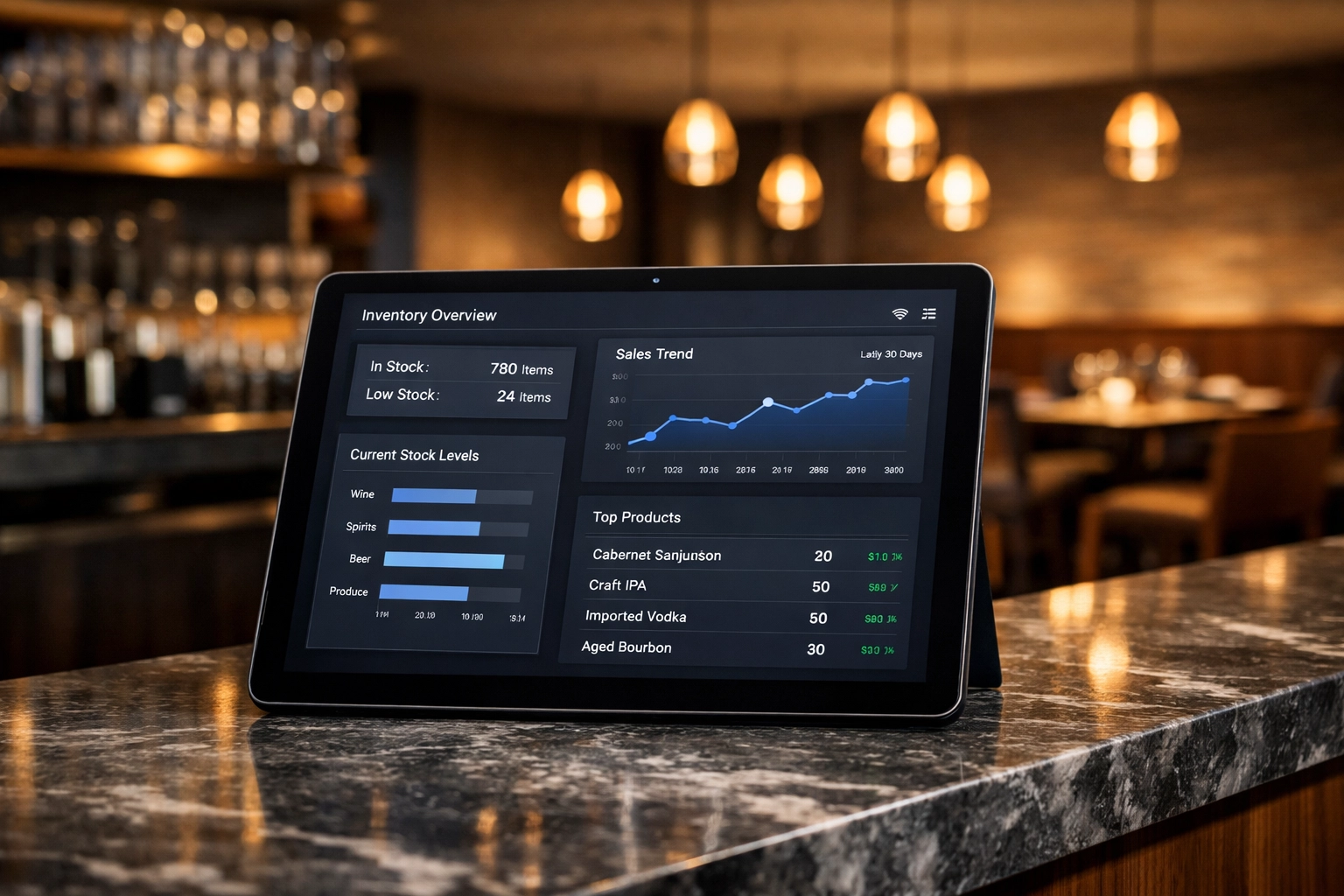
As we navigate the landscape of 2026, the role of technology in hospitality has shifted from a luxury to a necessity. We believe that integrating your Point of Sale (POS) system with your inventory management software is the single most effective way to gain real-time visibility into your stock levels.
Modern systems now offer automated reordering alerts and barcode scanning that significantly reduce the labor hours required for manual counts. Furthermore, we are seeing incredible results by integrating AI with restaurant operations. AI can predict ordering needs based on historical weather patterns, local events, and seasonal trends, allowing you to optimize your inventory with a degree of accuracy that was previously impossible.
Analyzing the Cost of Sales (COGS)
You cannot manage what you do not measure. We believe that a deep-dive analysis of your Cost of Goods Sold (COGS) is the ultimate scorecard for restaurant health. COGS is not just a number on a P&L statement; it is a reflection of your kitchen's efficiency, your menu's pricing strategy, and your staff's attention to detail.
When your COGS percentage is higher than industry benchmarks, it usually points to one of three things: theft, waste, or improper portioning. Regular, weekly counts of high-value items: such as premium proteins and spirits: allow you to catch these discrepancies early. If you find that your analysis isn't yielding the results you expect, it might be time to investigate why your restaurant cost analysis isn't working.
By narrowing the gap between "theoretical" food cost (what you should have spent based on sales) and "actual" food cost (what you actually spent), you directly increase your net profit without needing to sell a single extra appetizer.
Strategic Guidance: Why One Size Does Not Fit All
While the framework provides the structure, the implementation must be tailored to the unique DNA of your establishment. A high-volume steakhouse requires a vastly different inventory strategy than a low-ABV cocktail lounge.
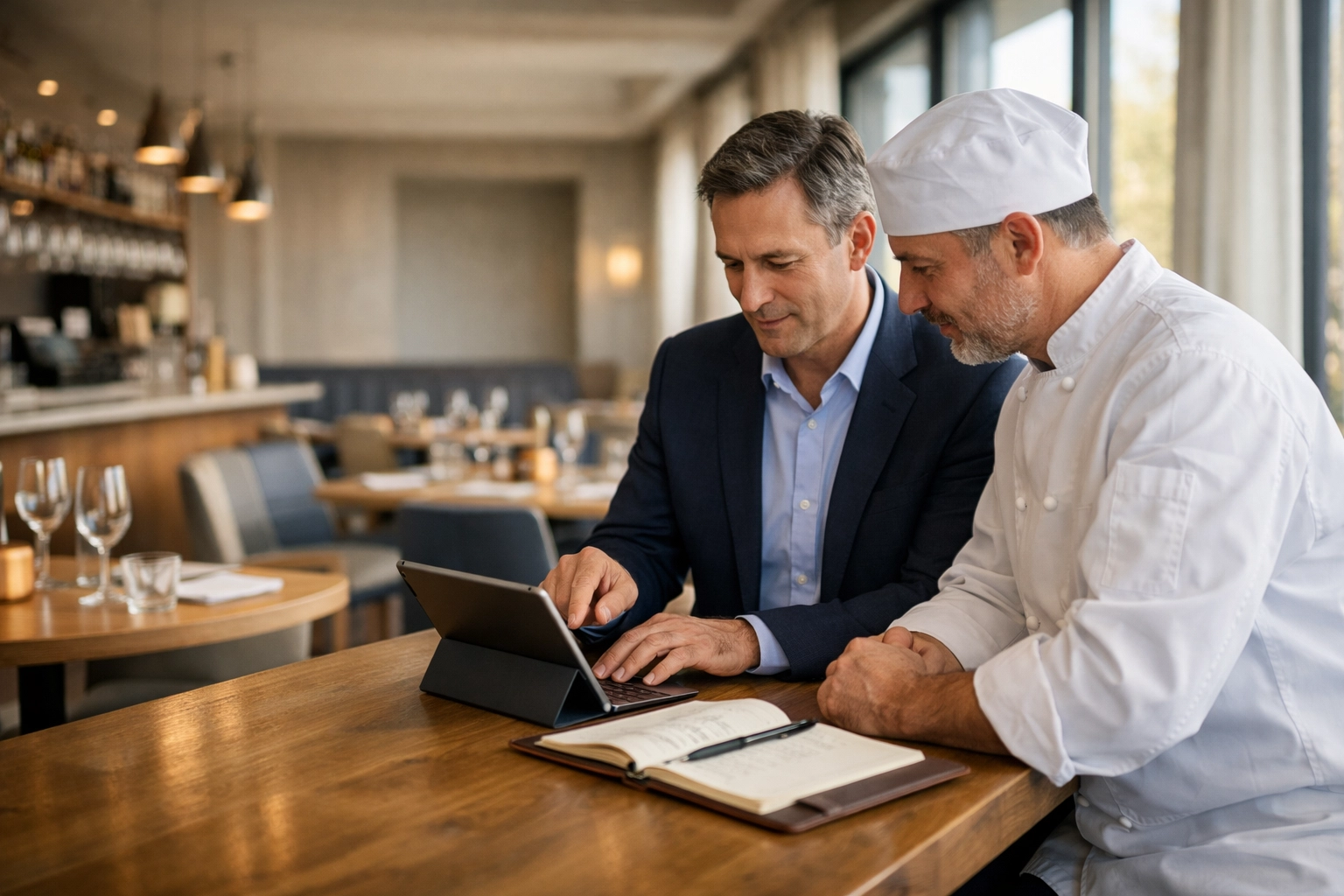
We believe that specialized guidance is the catalyst for transformation. Many owners attempt to implement these systems solo, only to find that the daily demands of the floor pull them away from the back-office discipline required for success. This is where the ROI of hospitality expertise becomes evident. A consultant doesn't just provide a template; they provide the accountability and the outside perspective needed to identify bottlenecks you may have grown blind to.
Creating Long-Term Resilience
The ultimate goal of a proven inventory management framework is to create a business that is resilient. When your costs are controlled and your operations are streamlined, you gain the freedom to reinvest in your staff and your guest experience. We believe that a well-managed back-of-house is the foundation upon which legendary hospitality is built.
By focusing on these key drivers: inventory precision, COGS analysis, and operational streamlining: you are not just surviving in a competitive market; you are positioning your establishment for long-term growth and customer loyalty.
Whether you are looking to slash food waste, master your menu's profitability, or integrate the latest AI tools, the path forward starts with a commitment to excellence in the details. The transformation of your restaurant's efficiency is not just possible; it is a strategic imperative for 2026 and beyond.
Optimize Your Hospitality Operations Today
Soderblom Consulting LLC provides nationwide strategic guidance for restaurant owners and hospitality leaders looking to elevate their operational efficiency and maximize profitability. Our expertise is rooted in years of hands-on experience and a deep commitment to the success of our clients.
Contact Information:
- Name: Ron Soderblom, CEO
- Company: Soderblom Consulting LLC
- Email: ron@soderblomconsulting.com
- Scope: Nationwide Consulting Services
- Focus: Hospitality Management, Inventory Systems, & Profitability Analysis
© 2026 Soderblom Consulting LLC. All Rights Reserved.